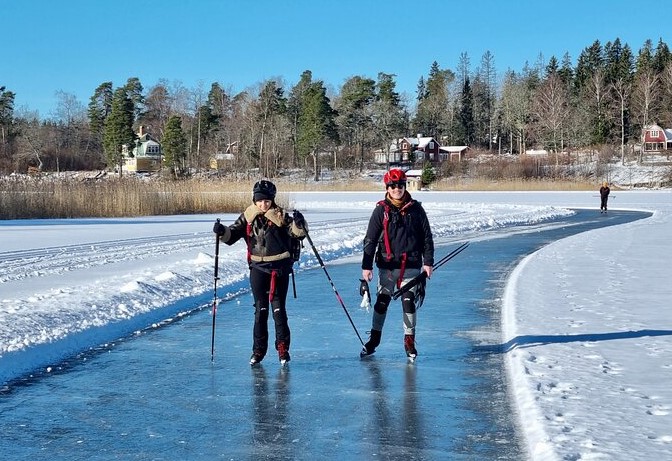
Winter transforms familiar landscapes into extraordinary destinations, and few experiences capture this seasonal magic as vividly as skating across a natural frozen lake. As travelers increasingly seek unique, nature-centered adventures, frozen lake skating trips have emerged as captivating alternatives to traditional winter vacations. These journeys combine physical activity, scenic beauty, and cultural tradition, offering participants a chance to experience winter not as an obstacle, but as an invitation to explore. This article introduces the concept of skating travel on frozen lakes and explains why it is becoming a memorable and meaningful winter pursuit.
The Allure of Skating on Natural Frozen Lakes
Skating on a frozen lake offers a sense of freedom that indoor rinks cannot replicate. Vast open ice surfaces, surrounded by snow-covered forests, mountains, or open plains, create an immersive experience where movement and environment blend seamlessly. The absence of walls or fixed paths allows skaters to glide at their own pace, turning exercise into exploration.
Natural frozen lakes also carry cultural and historical significance. In many cold-climate regions, frozen waterways have long served as winter roads, gathering places, and recreational spaces. Communities historically relied on them for transportation and social connection when snow made land travel difficult. Today’s skating trips build on this heritage, allowing travelers to engage with winter traditions that have endured for generations.
From a sensory perspective, frozen lake skating is uniquely engaging. The sound of blades cutting across ice, the crisp air, and the ever-changing light of winter skies contribute to a heightened awareness of the present moment. For many travelers, this combination of movement and mindfulness becomes a powerful antidote to routine and digital overload.
Planning a Safe and Enjoyable Skating Journey
While frozen lake skating is enchanting, it requires careful planning and respect for natural conditions. Safety, preparation, and local knowledge are essential to ensuring that the experience remains both enjoyable and responsible.
Safety, Equipment, and Environmental Awareness
Ice safety is the foundation of any successful skating trip. Not all frozen lakes are suitable for skating, and ice thickness can vary based on temperature, water movement, and weather patterns. Travelers should rely on verified local guidance, official ice reports, or experienced guides who understand regional conditions. Skating only on approved or monitored lakes significantly reduces risk.
Proper equipment enhances both safety and comfort. Skates designed for natural ice, often with longer blades for stability, are recommended. Protective gear, layered clothing, and thermal accessories help skaters adapt to changing weather conditions. Many travelers also carry ice picks and safety ropes as precautionary measures, particularly when skating in remote areas.
Environmental awareness is equally important. Frozen lakes are part of delicate ecosystems that continue to function beneath the ice. Responsible skating practices include avoiding wildlife disturbance, respecting protected areas, and minimizing waste. By treating frozen landscapes with care, travelers help preserve them for future seasons.
The Experiential Value of Frozen Lake Skating Travel
Beyond recreation, frozen lake skating trips offer experiential depth that appeals to a wide range of travelers. These journeys often combine physical activity with cultural immersion, wellness, and slow travel principles.
Many destinations integrate skating with local traditions. Travelers may encounter winter festivals, outdoor fire gatherings, or regional cuisine that reflects cold-climate living. Warm shelters, lakeside saunas, or communal meals often accompany skating excursions, reinforcing social connection and recovery after time on the ice.
From a wellness perspective, skating promotes cardiovascular health, balance, and mental clarity. Exercising in natural winter environments has been linked to improved mood and stress reduction. The rhythmic motion of skating, paired with expansive scenery, encourages a meditative state that contrasts sharply with crowded urban settings.
Frozen lake skating trips also align with sustainable travel trends. They rely primarily on human-powered movement and seasonal conditions rather than infrastructure-heavy attractions. Local guides, small accommodations, and community services often support these trips, ensuring that economic benefits remain within the region.
As interest grows, destinations are developing structured skating routes, guided expeditions, and educational programs focused on ice safety and environmental stewardship. These initiatives make the experience accessible to newcomers while maintaining respect for natural conditions.
In conclusion, winter travel does not need to revolve around enclosed resorts or passive sightseeing. Skating across frozen lakes offers an active, immersive way to engage with cold-season landscapes and traditions. When thoughtfully planned and responsibly experienced, frozen lake skating trips become more than recreational outings—they transform winter into a canvas for exploration, connection, and unforgettable movement across ice-bound horizons.
