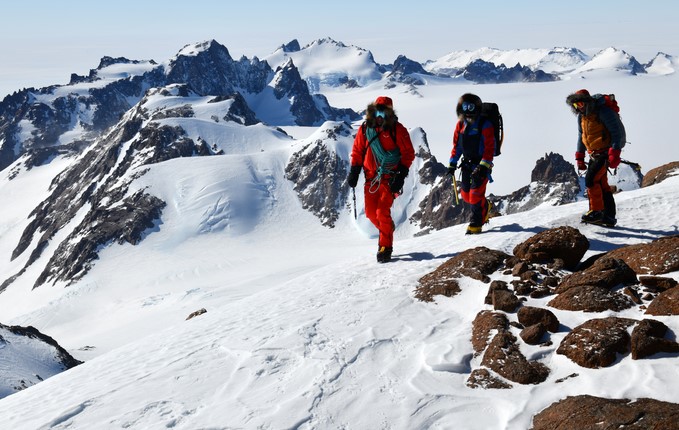
For adventure enthusiasts and nature lovers, few experiences rival the thrill and beauty of mountain glacier treks. These treks offer a combination of physical challenge, breathtaking scenery, and an intimate connection with some of the world’s most dramatic alpine environments. Unlike conventional hiking trails, glacier treks require careful navigation across ice fields, crevasses, and snow-covered slopes, often demanding specialized equipment and skills. The appeal of these treks lies not only in the stunning vistas of frozen peaks and glacial valleys but also in the sense of accomplishment and adventure that comes from exploring landscapes shaped over millennia by ice and rock.
Understanding Mountain Glacier Treks
Mountain glacier treks differ significantly from standard trekking or mountaineering experiences due to the unique terrain and environmental conditions. Glaciers are dynamic and constantly changing, with crevasses, icefalls, and seracs presenting potential hazards that require experience, proper guidance, and safety equipment such as crampons, ice axes, ropes, and helmets. Guided treks led by trained mountaineers are essential for first-time glacier explorers, ensuring both safety and education about the alpine environment.
The physical demands of glacier trekking are considerable. Hikers must be prepared for extended periods of walking on ice and snow, often at high altitudes with reduced oxygen levels. The combination of cardiovascular endurance, strength, and balance is critical to navigate the uneven and slippery surfaces. While challenging, these physical demands are offset by the visual and emotional rewards of witnessing pristine ice formations, snow-capped peaks, and glacial lakes that reflect the surrounding mountains.
Beyond the physical challenge, glacier treks provide educational opportunities. Guides often share insights on glaciology, climate change, and the geological history of mountain ranges. Participants learn how glaciers form, move, and retreat, offering a deeper appreciation for these fragile ecosystems and the environmental challenges they face. Observing glacial moraines, ice caves, and meltwater streams firsthand transforms abstract knowledge into tangible experience.
Popular Mountain Glacier Trek Destinations
Glacier treks exist across the globe, each offering unique landscapes, difficulty levels, and cultural experiences.
Himalayas, Asia: The Himalayas are home to some of the world’s most famous glaciers, including the Khumbu Glacier near Mount Everest and the Bara Shigri Glacier in Himachal Pradesh, India. Treks in these regions combine dramatic alpine scenery with cultural encounters in Sherpa villages or remote mountain hamlets. The Himalayas offer both challenging high-altitude treks for experienced mountaineers and moderate glacier routes suitable for intermediate adventurers.
Alps, Europe: The Alps feature numerous glacier trekking opportunities across Switzerland, France, and Italy. The Aletsch Glacier, the largest in the Alps, provides guided trekking routes that offer views of towering peaks, ice caves, and frozen waterfalls. Glacier treks here often integrate alpine huts and well-maintained trails, making them accessible to trekkers who seek both adventure and comfort.
Andes, South America: In Peru and Argentina, the Andes offer glaciers such as Pastoruri in Peru and the Perito Moreno Glacier in Argentina. These treks provide opportunities to explore high-altitude landscapes, turquoise glacial lakes, and local ecosystems. Guided treks often include historical and cultural context, such as the significance of glaciers to indigenous communities and regional water supplies.
North America: Glacier trekking in North America is popular in Alaska and the Canadian Rockies. Alaska’s Matanuska Glacier allows for guided walks and ice climbing experiences, while the Columbia Icefield in Alberta offers extensive glacier trekking with stunning views of surrounding peaks and valleys. These regions combine wilderness adventure with high safety standards, making them ideal for first-time glacier trekkers.
Preparing for a Glacier Trek
Proper preparation is essential for both safety and enjoyment on mountain glacier treks. Fitness and acclimatization are key factors, as high-altitude and icy terrain place significant demands on the body. Participants should engage in cardiovascular training, strength conditioning, and balance exercises before attempting a trek.
Equipment is another crucial aspect. Trekkers require waterproof and insulated clothing, gloves, gaiters, sturdy boots compatible with crampons, sunglasses, and sunscreen. For safety, ropes, harnesses, helmets, and ice axes are often provided by guides and should be used according to expert instructions. Planning should also consider weather conditions, trail accessibility, and local regulations, as glacier environments are sensitive to seasonal and climate variations.
Nutrition and hydration are equally important. High-energy meals, snacks, and sufficient water support stamina and focus during extended periods of trekking on ice. Participants should also follow environmental best practices, such as minimizing waste and respecting fragile glacial ecosystems.
The Broader Impact and Benefits of Glacier Treks
Mountain glacier treks offer profound personal and environmental benefits. Physically, they improve endurance, balance, and strength. Mentally, they encourage resilience, problem-solving, and a sense of accomplishment. Emotionally, witnessing glaciers and towering mountain peaks fosters awe and a connection with nature that is difficult to replicate in urban settings.
Environmentally, guided glacier treks promote awareness of climate change and its impact on glacial retreat. Participants learn about the importance of glaciers for freshwater resources and local communities, fostering a sense of responsibility toward conservation. Trekking tourism can also support local economies, particularly in remote mountain regions, through guided services, accommodation, and cultural experiences.
In conclusion, mountain glacier treks provide an extraordinary opportunity for adventure, education, and personal growth. By navigating frozen landscapes, engaging with alpine ecosystems, and observing glacial formations up close, travelers gain a deeper appreciation for the majesty and fragility of our planet’s icy peaks. With careful preparation, respect for the environment, and guidance from experienced professionals, glacier treks become not only a physical challenge but a transformative journey that leaves a lasting impression on both body and mind.
