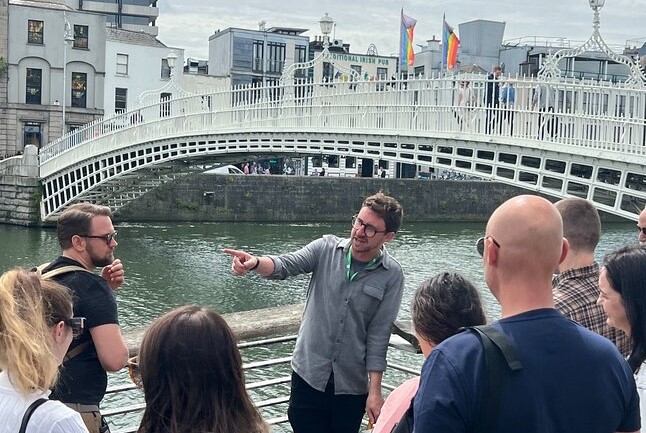
In a world increasingly connected by technology and global travel, immersive experiences that reveal the heart of a culture have never been more valuable. Cultural storytelling tours have emerged as a unique way for travelers to engage with the traditions, myths, and histories of destinations across the globe. These tours go beyond conventional sightseeing, allowing participants to interact with local storytellers, performers, and communities, providing a firsthand understanding of a culture’s heritage and the narratives that shape it. Through this approach, travelers gain a deeper appreciation for the values, customs, and historical events that define societies, making each journey not only informative but transformative.
The Essence of Cultural Storytelling Tours
Cultural storytelling tours are structured to engage visitors through narrative experiences that bring history and folklore to life. Unlike traditional tours that focus primarily on monuments or natural attractions, these experiences integrate personal stories, myths, and performances into the journey. Guides are often skilled storytellers, historians, or community members who convey local tales through spoken word, theatrical interpretation, music, or visual demonstrations.
These tours often include visits to historically significant sites, heritage villages, and cultural centers, where stories are contextualized within their geographical and social settings. Participants may witness reenactments of traditional ceremonies, participate in folk dances, or learn songs that have been passed down through generations. This immersive approach allows travelers to feel connected to the culture, rather than merely observing it from an outsider’s perspective.
Moreover, storytelling is a tool for education and preservation. Many cultural narratives address moral values, social norms, or historical events, offering lessons relevant both in the past and today. Through these tours, travelers not only enjoy entertainment but also gain insight into the collective memory of a community, understanding how stories shape identity, behavior, and continuity over time.
Global Examples of Storytelling Tours
Cultural storytelling tours are available worldwide, each offering a unique blend of narrative and heritage.
Europe: In Ireland and Scotland, storytellers known as “seanchaithe” or local bards guide visitors through castles, ancient villages, and rural landscapes while sharing myths of fairies, heroes, and historic battles. These tours blend scenic beauty with oral tradition, offering insight into Celtic folklore and its influence on local culture.
Asia: Japan’s storytelling experiences often focus on traditional kabuki theater, rakugo (comic storytelling), or historical legends tied to temples and shrines. Similarly, India offers tours that explore epic narratives from the Ramayana and Mahabharata, integrating them with visits to historic palaces, local markets, and performance arts.
Africa: In countries like Ghana and Senegal, griots—traditional oral historians—share folktales, proverbs, and ancestral histories while guiding visitors through villages, markets, and sacred sites. These tours highlight the interplay between history, music, and storytelling, emphasizing oral traditions as a key medium for preserving cultural memory.
Americas: Indigenous storytelling tours in regions like Peru, Mexico, and the Southwestern United States allow travelers to engage with local elders and community leaders who recount creation myths, tribal histories, and ceremonial practices. Participants often join workshops in traditional crafts, music, or dance, providing hands-on understanding of the cultural context.
Planning an Immersive Storytelling Experience
When considering cultural storytelling tours, preparation and research are critical to ensure authenticity and meaningful engagement. Travelers should select tours that involve local guides or community members, as these experiences are more likely to preserve integrity and provide insider knowledge. Avoiding commercialized or tourist-only versions ensures that participants are engaging with genuine traditions rather than staged performances.
Language and cultural sensitivity are also essential. Learning basic phrases, understanding customs, and approaching each experience with respect enhances both the traveler’s experience and the host community’s comfort. Participants should also be open to active participation—whether joining in song, dance, or craft workshops—to fully absorb the depth of storytelling practices.
Tour duration and format vary widely. Some tours are short, focusing on a single village or performance, while others are multi-day journeys that traverse regions, integrating history, cuisine, and cultural practices. Selecting a format that matches personal interests, stamina, and learning goals will enhance the overall experience.
Benefits of Cultural Storytelling Tours
Beyond entertainment, cultural storytelling tours offer numerous benefits for both travelers and host communities. For travelers, these tours provide immersive education, emotional connection, and enhanced cultural literacy. By experiencing stories firsthand, participants can better understand the values, challenges, and historical context of a community, fostering empathy and global awareness.
For host communities, storytelling tours support cultural preservation and sustainable tourism. By sharing their narratives with visitors, communities maintain oral traditions, generate income, and promote intergenerational knowledge transfer. Additionally, these tours often encourage community pride, strengthening identity and cohesion in an increasingly globalized world.
In conclusion, cultural storytelling tours provide a unique opportunity to experience the world through the lens of tradition, myth, and narrative. By combining travel with immersive learning, these tours allow participants to engage with local histories, customs, and performing arts in a deeply meaningful way. For travelers seeking enrichment beyond conventional sightseeing, storytelling tours offer an unforgettable journey that bridges cultures, connects generations, and celebrates the timeless power of stories.
