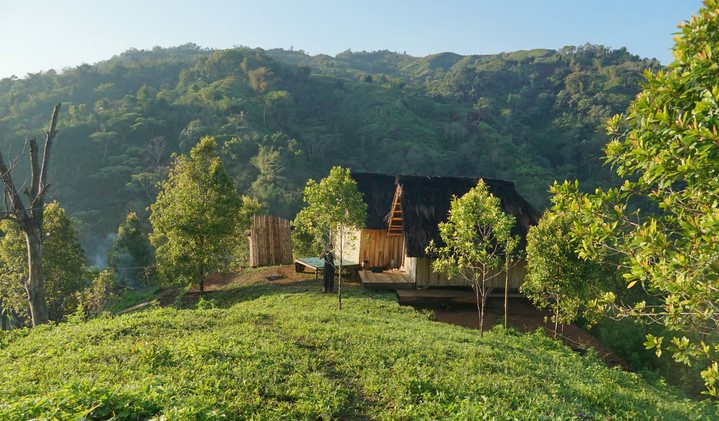
As modern life becomes increasingly fast-paced and digitally saturated, travelers are seeking experiences that promote balance, well-being, and conscious living. One growing response to this desire is a return to the land—specifically, travel experiences rooted in sustainability, simplicity, and nature-based living. In this context, organic farm retreats have emerged as meaningful destinations where guests can reconnect with food sources, natural rhythms, and mindful practices. This article introduces the concept of farm-based retreats and explores how they support holistic travel experiences for individuals seeking purpose alongside rest.
The Philosophy Behind Farm-Based Retreat Travel
At the heart of farm-based retreats lies a philosophy centered on harmony—between people, food, and the environment. These retreats are typically located on working organic farms where agriculture is practiced without synthetic chemicals, prioritizing soil health, biodiversity, and ecological balance. Guests are invited into this environment not merely as visitors, but as participants in a way of life.
Unlike traditional vacations that emphasize consumption and constant activity, farm retreats encourage intentional living. Daily routines often follow natural cycles, with mornings shaped by sunlight, meals prepared from freshly harvested produce, and evenings defined by quiet reflection. This slower pace allows travelers to disengage from habitual stressors and develop greater awareness of their surroundings.
Education is a central component of the experience. Many retreats offer insights into organic farming principles, composting, seed saving, and regenerative agriculture. By learning how food is grown and ecosystems are maintained, travelers gain a deeper appreciation for sustainable practices and their long-term impact on health and the planet.
Wellness, Nutrition, and the Retreat Experience
Farm-based retreats often integrate wellness programming that complements their agricultural setting. Physical health, mental clarity, and emotional well-being are treated as interconnected elements rather than separate pursuits.
Mindful Practices Rooted in Nature
Wellness activities commonly include yoga, meditation, breathwork, and nature walks, all designed to align participants with their environment. Practicing mindfulness outdoors enhances sensory awareness and reinforces the connection between inner balance and external surroundings. The natural setting itself becomes a therapeutic tool, reducing stress and promoting restorative rest.
Nutrition plays a defining role in the retreat experience. Meals are typically plant-forward, seasonal, and prepared with ingredients harvested directly from the farm. This approach supports digestive health and highlights the relationship between fresh food and overall well-being. Guests often participate in cooking sessions, learning how to prepare nourishing meals that they can recreate at home.
Community engagement further enriches the experience. Shared meals, group activities, and collaborative farm tasks foster a sense of belonging. These interactions encourage meaningful conversations and cultural exchange, transforming the retreat into a collective journey rather than an isolated escape.
Sustainability, Community, and the Future of Mindful Travel
Organic farm retreats represent a broader shift in travel priorities toward sustainability and social responsibility. Their operational models often emphasize low-impact living, renewable energy use, and waste reduction. By minimizing environmental footprints, these retreats demonstrate how tourism can coexist responsibly with natural ecosystems.
Local community involvement is another defining feature. Many retreats employ local staff, source materials regionally, and collaborate with nearby artisans or educators. This approach ensures that tourism revenue supports surrounding communities while preserving local knowledge and traditions.
From a traveler’s perspective, these retreats offer long-term value. Guests often leave with practical skills, new perspectives on consumption, and a renewed commitment to mindful living. The experience extends beyond the duration of the stay, influencing lifestyle choices related to food, wellness, and environmental stewardship.
As demand for meaningful travel continues to rise, farm-based retreats are well-positioned to shape the future of the industry. They appeal to travelers who prioritize authenticity, learning, and impact over luxury defined by excess. By aligning hospitality with ecological and human well-being, these retreats redefine what it means to travel well.
In conclusion, reconnecting with the land offers more than rest—it provides insight into sustainable living and personal balance. Experiences rooted in agriculture and mindfulness encourage travelers to slow down, reflect, and engage more consciously with the world around them. When approached with intention, organic farm retreats become transformative journeys that nourish body, mind, and values long after the fields are left behind.
