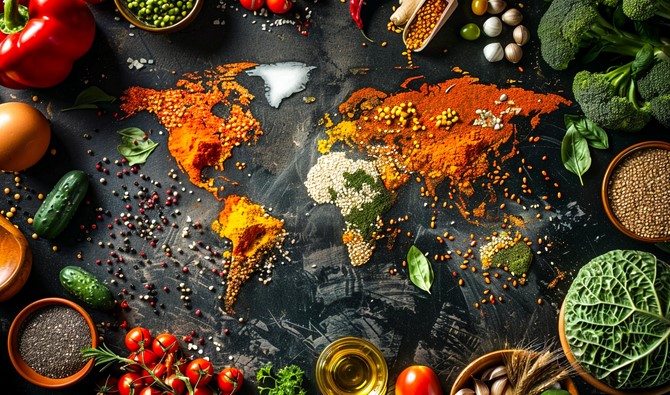
In today’s globalized world, food is more than sustenance—it is a cultural lens through which we can explore history, geography, and tradition. Culinary gourmet tours have emerged as a premier way for travelers to engage with diverse cultures while indulging in gastronomic experiences. These tours offer participants the opportunity to sample authentic cuisine, learn cooking techniques from local chefs, and understand the stories behind traditional dishes. By combining education, sensory enjoyment, and cultural immersion, culinary gourmet tours transform travel into a flavorful journey that tantalizes the taste buds while deepening one’s understanding of global heritage.
The Unique Appeal of Culinary Gourmet Tours
Culinary gourmet tours stand out because they engage multiple senses simultaneously. Sight, smell, taste, and touch converge in experiences that involve market visits, cooking classes, winery tours, and street food explorations. Unlike typical sightseeing trips, these tours encourage active participation—chopping fresh vegetables, kneading dough, or learning to balance spices in a traditional curry. This hands-on approach transforms tourists into temporary participants in local culinary traditions, fostering a deeper appreciation for the craftsmanship involved in preparing regional dishes.
One of the defining aspects of these tours is storytelling. Local chefs, market vendors, and culinary historians often provide insights into the cultural, historical, and environmental contexts of the foods they prepare. Travelers learn not only recipes but also the significance of ingredients, the evolution of dishes over time, and how culinary traditions reflect a community’s identity and history. These stories enrich the culinary experience and create lasting memories that go beyond taste alone.
Additionally, culinary gourmet tours offer the opportunity to explore food production and sustainability practices. Visits to vineyards, olive groves, spice farms, or artisanal cheese producers highlight the connection between land, labor, and flavor. Participants gain insight into how regional climates, soil types, and local farming techniques influence taste and quality, fostering a sense of mindfulness about where food comes from.
Destinations for Culinary Exploration
Around the globe, certain regions have become celebrated for their immersive culinary tours.
Europe: Italy, France, and Spain offer some of the most iconic culinary experiences. In Italy, travelers can join pasta-making workshops in Tuscany, explore local markets in Bologna, or indulge in truffle hunting in Piedmont. France’s culinary tours often include wine and cheese pairings in Bordeaux, cooking classes in Provence, and chocolate tastings in Lyon. Spain’s Andalusian and Basque regions combine tapas tours with lessons in traditional paella preparation, offering a rich blend of flavors and history.
Asia: Southeast Asia is a paradise for food lovers. Thailand, Vietnam, and Malaysia feature street food tours, market visits, and cooking classes focused on balancing bold flavors. Participants learn the subtle art of blending herbs, spices, and sauces while exploring vibrant markets and street stalls that serve authentic, locally-prepared dishes. Japan’s culinary tours highlight sushi-making, sake brewing, and traditional tea ceremonies, emphasizing precision and artistry in every dish.
Americas: Culinary tours in North and South America combine innovation with tradition. In Mexico, tours often focus on mole, tamales, and street tacos, coupled with mezcal or tequila tastings. Peru’s tours highlight Andean ingredients such as quinoa, potatoes, and exotic fruits, alongside ceviche workshops and pisco tastings. In the United States, regions like New Orleans and San Francisco offer food-focused tours celebrating Creole, Cajun, and farm-to-table cuisine.
Planning Your Culinary Gourmet Tour
To fully enjoy a culinary gourmet tour, thoughtful planning is essential. Selecting a reputable tour operator that emphasizes authentic experiences is critical. Travelers should seek small-group tours or those that involve local guides and chefs to ensure genuine engagement with culture and cuisine.
Dietary preferences and restrictions should also be considered. Many tours offer customization or alternative options to accommodate vegetarian, vegan, or allergen-free diets without compromising the quality of the experience. Timing is another factor; visiting regions during harvest seasons or food festivals can enhance the culinary experience, allowing travelers to witness the freshest ingredients and participate in traditional celebrations.
Preparing with a sense of curiosity and openness enhances the experience. Participants are encouraged to engage actively—asking questions, trying unfamiliar dishes, and participating in cooking sessions. This proactive approach transforms the tour from passive observation to immersive participation, maximizing both enjoyment and learning.
The Broader Impact of Culinary Tours
Culinary gourmet tours benefit not only travelers but also local communities. By supporting small-scale producers, family-owned restaurants, and artisanal businesses, tourists contribute to sustainable local economies. These tours also promote cultural preservation by highlighting traditional recipes, cooking techniques, and culinary customs that might otherwise fade in the face of globalization.
Moreover, culinary tours foster cross-cultural understanding. Sharing a meal is a universal human experience, and these tours allow travelers to connect with locals on a personal level, creating friendships and mutual appreciation. The exchange of knowledge, stories, and flavors helps bridge cultural divides and encourages mindful, respectful tourism.
In conclusion, culinary gourmet tours offer an unparalleled way to explore the world through food, providing education, cultural immersion, and sensory delight in a single journey. By engaging with local chefs, tasting authentic dishes, and participating in hands-on cooking experiences, travelers gain a richer understanding of global cultures while indulging in unforgettable flavors. These tours transform culinary exploration into a meaningful and memorable adventure, proving that the path to understanding a culture often begins at the dinner table.
