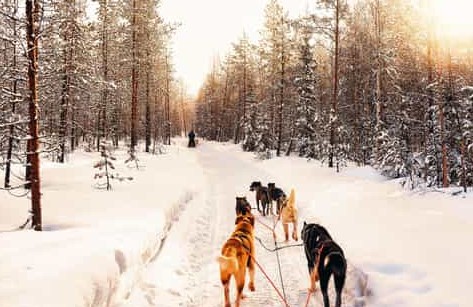
Exploring snow-covered landscapes has long been a defining feature of winter adventure travel, and few experiences capture the spirit of the season like winter husky tours. These journeys, guided by energetic sled dogs across frozen forests, open tundras, and icy trails, provide travelers with a unique combination of adrenaline, natural beauty, and cultural immersion. Far beyond a simple recreational activity, husky tours offer insight into the history of arctic exploration, traditional transportation methods, and the deep bonds between humans and animals in extreme environments. This article explores the appeal, preparation, and cultural significance of husky-guided adventures in snowy regions.
The Unique Experience of Traveling with Huskies
Husky tours provide a distinct form of connection with the winter environment. Unlike snowmobiling or skiing, sled dog expeditions emphasize teamwork and rhythm. Participants are actively involved in managing the sled, understanding trail conditions, and cooperating with the dogs, creating an immersive and participatory experience.
The dogs themselves are central to the journey. Huskies are bred for endurance, strength, and resilience in cold climates, making them ideal partners for extended travel across snowy landscapes. Their enthusiasm and responsiveness to human commands establish a dynamic interplay that is both practical and emotionally rewarding. For many travelers, forming trust and rapport with the dogs becomes one of the most memorable aspects of the tour.
Winter husky tours also offer unparalleled access to remote arctic regions. Many tours traverse areas that are inaccessible by vehicles or other forms of transport, allowing participants to witness untouched natural beauty. Snow-covered forests, frozen lakes, and the expansive Arctic tundra create a sense of isolation and tranquility, fostering reflection and connection with the environment.
Preparation, Safety, and Sustainability
Participating in a husky tour requires thoughtful preparation. Cold-weather gear, physical readiness, and understanding basic sledding techniques are essential for comfort and safety. Tours are often tailored to skill levels, ranging from short introductory rides to multi-day expeditions covering dozens of kilometers.
Training, Gear, and Environmental Responsibility
Proper clothing is critical for maintaining warmth and preventing frostbite or hypothermia. Layered, moisture-wicking fabrics, insulated gloves, and protective headgear ensure comfort during prolonged exposure to sub-zero temperatures. Tour operators provide guidance on appropriate gear, often including insulated boots and outerwear designed for sledding.
Safety procedures are also emphasized. Participants are briefed on commands, sled handling, and dog management before setting out. Experienced guides accompany each group, monitoring trail conditions, dog health, and participant readiness. These measures minimize risk while fostering confidence and independence.
Sustainability is a growing consideration for husky tours. Operators often focus on minimizing environmental impact, preserving natural trails, and maintaining ethical treatment of sled dogs. Many programs incorporate education about arctic ecosystems, local wildlife, and traditional methods of survival, ensuring that participants understand the broader context of their adventure.
Cultural and Experiential Value of Husky Tours
Beyond physical activity and scenery, winter husky tours offer rich cultural and experiential insights. In many northern communities, sled dogs have been integral to transportation, hunting, and communication for centuries. Tours frequently include stories about indigenous practices, historical expeditions, and the evolution of dog sledding, allowing participants to engage with regional heritage meaningfully.
Tour structures often include additional immersive experiences. Guests may stay in remote lodges, learn about dog care routines, or participate in campfire gatherings that highlight local cuisine and storytelling traditions. Such elements strengthen the sense of place and deepen appreciation for arctic culture and survival skills.
The psychological benefits of husky tours are notable as well. Engaging with nature, practicing physical skills, and collaborating with animals contribute to stress reduction, mindfulness, and emotional renewal. Many travelers report a profound sense of accomplishment and connection after completing multi-day excursions, creating memories that endure long after the snow melts.
Technological advancements and tour innovations continue to expand accessibility. GPS-tracked sled routes, enhanced winter clothing, and flexible itineraries make the adventure available to a wider audience while maintaining authenticity and challenge.
In conclusion, winter husky tours offer far more than recreational thrill—they provide a lens into arctic life, animal-human partnership, and the enduring traditions of snow-bound travel. Combining skill, cultural insight, and natural beauty, these experiences immerse participants in the rhythms of winter in ways few other activities can. For those seeking adventure, reflection, and connection with both environment and animals, winter husky tours deliver unforgettable journeys across icy landscapes that resonate long after the season has passed.
