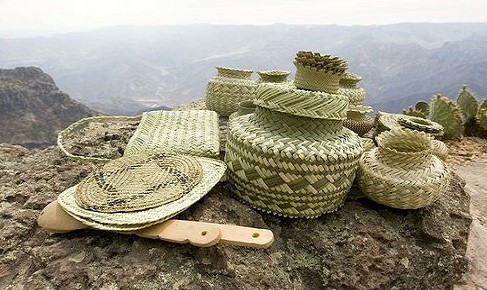
In a world increasingly shaped by digital experiences and mass production, travelers are rediscovering the value of heritage, artistry, and human connection through cultural craft tours. These immersive journeys invite participants to step into workshops, studios, and artisan communities across borders, gaining firsthand insight into traditional craftsmanship. Rather than observing culture from a distance, travelers actively engage with local makers, learning techniques passed down through generations. As global tourism evolves toward authenticity and sustainability, craft-focused itineraries offer meaningful alternatives that celebrate creativity while preserving cultural identity.
The Rise of Craft-Centered Travel Experiences
Tourism trends have shifted dramatically over the past decade. Modern travelers seek purpose-driven experiences that foster understanding and mutual exchange. Craft-centered travel aligns perfectly with this desire, combining education, interaction, and tangible skill development.
Unlike conventional sightseeing tours, cultural craft itineraries emphasize participation. Visitors may learn hand-weaving methods in rural textile villages, observe intricate pottery techniques in centuries-old studios, or explore metalworking traditions in historic artisan quarters. These encounters provide more than souvenirs; they deliver stories embedded in every handmade piece.
The appeal of such journeys stems from their authenticity. Artisans often share not only technical knowledge but also personal narratives about community heritage and economic challenges. This human dimension transforms a simple workshop visit into a powerful cultural dialogue.
Furthermore, craft tourism contributes directly to local economies. By engaging with small-scale producers and purchasing handcrafted goods, travelers help sustain livelihoods threatened by industrial manufacturing. Many tour operators collaborate with cooperatives and family-run workshops to ensure fair compensation and ethical engagement.
Educational institutions and creative professionals also recognize the value of these tours. Designers, architects, and artists increasingly participate to expand their creative perspectives. Exposure to diverse craftsmanship traditions inspires innovation while honoring cultural roots.
Designing Meaningful Cross-Border Craft Itineraries
Successful cultural craft journeys require thoughtful planning and respectful collaboration. Itineraries must balance immersive activities with contextual understanding.
Bridging Tradition and Contemporary Creativity
An effective craft tour integrates both heritage techniques and modern interpretations. Participants may begin by exploring historical foundations—visiting museums, cultural centers, or preserved artisan districts—to understand the origins of specific crafts. This foundation enhances appreciation for hands-on sessions that follow.
Workshops typically form the core of the experience. Under the guidance of master artisans, travelers practice skills such as dyeing natural fibers, carving wood motifs, or shaping clay forms. These sessions emphasize patience and precision, highlighting the expertise required to produce handcrafted objects.
To enrich the cross-border dimension, tours may connect multiple regions known for complementary crafts. For example, a journey could begin in one country renowned for textile weaving and continue to another celebrated for embroidery or natural dye production. By linking diverse traditions, travelers gain insight into how geography, climate, and history influence artistic expression.
Modern creative spaces can also be included. Contemporary designers who reinterpret traditional techniques demonstrate how craftsmanship evolves while retaining cultural significance. Studio visits and collaborative discussions foster exchange between global visitors and local innovators.
Culinary experiences further enhance cultural immersion. Shared meals featuring regional cuisine provide informal settings for conversation and storytelling. Food, like craft, reflects heritage and strengthens communal bonds.
Ethical Engagement and Sustainable Impact
Responsible tourism practices are essential when organizing craft-centered journeys. Ethical engagement ensures that artisan communities benefit equitably and maintain control over their cultural assets.
Transparency in compensation and intellectual property rights protects artisans from exploitation. Tour operators should prioritize long-term partnerships rather than one-time visits. Consistent collaboration fosters trust and encourages skill preservation among younger generations.
Environmental sustainability is another critical consideration. Many traditional crafts rely on natural resources such as wood, clay, or plant-based dyes. Responsible sourcing and ecological awareness must guide workshop activities to prevent resource depletion.
Small group sizes are often preferable. Limited participants allow deeper interaction while minimizing disruption to local routines. Additionally, structured reflection sessions enable travelers to process their experiences thoughtfully and respectfully.
Technology can play a supportive role without overshadowing authenticity. Digital documentation, when conducted with permission, helps artisans reach broader audiences. However, participants must be mindful of cultural sensitivities regarding photography and intellectual property.
A New Concept: Craft Exchange Residencies Across Borders
An innovative approach to cultural craft travel involves the creation of cross-border craft exchange residencies. Unlike short-term workshops, these programs would offer multi-week immersive experiences where travelers collaborate directly with artisan communities on creative projects.
Participants might work alongside weavers to develop contemporary textile patterns inspired by traditional motifs or assist potters in experimenting with sustainable glazing techniques. The collaborative output could be showcased in joint exhibitions, both locally and internationally.
Residency programs would emphasize reciprocal learning. While travelers gain technical insight and cultural understanding, artisans receive exposure to new markets and creative perspectives. Revenue generated from exhibitions or product sales could be reinvested into community development initiatives such as education programs or equipment upgrades.
Such residencies could rotate among different countries annually, building a network of global craft ambassadors. This model fosters enduring relationships rather than transactional encounters, strengthening intercultural dialogue and preserving artisanal heritage.
Personal Growth Through Creative Immersion
Beyond cultural preservation and economic support, craft-focused travel offers profound personal enrichment. Learning a traditional technique demands patience, humility, and concentration. These qualities contrast sharply with fast-paced modern lifestyles.
Hands-on creation encourages mindfulness. The tactile sensation of shaping clay or weaving fibers fosters a deeper connection to materiality. Participants often gain renewed appreciation for the labor behind everyday objects, shifting perspectives on consumption and value.
Cross-border interactions broaden worldviews. Conversations with artisans reveal diverse approaches to community, resilience, and innovation. These exchanges cultivate empathy and mutual respect, reinforcing the transformative power of travel.
Educational institutions may integrate craft tours into academic programs, offering students experiential learning opportunities. Creative professionals can incorporate acquired techniques into contemporary practice, bridging heritage and innovation.
As travelers seek experiences rooted in authenticity and human connection, craft-centered journeys offer meaningful alternatives to conventional tourism. By engaging directly with artisans, exploring heritage techniques, and supporting sustainable economic practices, participants contribute to the preservation of cultural identity. Cross-border collaboration enriches both visitors and host communities, fostering creativity and mutual understanding. In this evolving landscape of purposeful travel, cultural craft tours stand as powerful pathways to connection—transforming handmade traditions into shared global narratives that transcend borders and generations.
