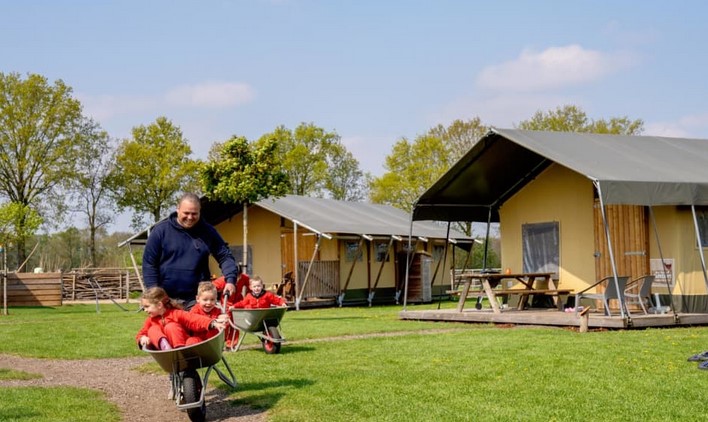
In an increasingly digital world, many families are seeking meaningful ways to reconnect—with nature, with food sources, and with each other. Family farm holidays offer a refreshing alternative to conventional vacations by combining rural immersion, hands-on activities, and educational experiences suitable for all generations. Set against open fields, orchards, and working barns, these holidays allow parents and children alike to participate in authentic agricultural life while enjoying comfortable accommodations. As experiential travel continues to grow in popularity, farm-based getaways are emerging as dynamic, multi-generational escapes that balance leisure with learning.
The Growing Appeal of Rural Family Escapes
The modern family holiday has evolved beyond theme parks and beach resorts. Today’s parents often prioritize experiences that enrich children’s understanding of the world while fostering shared memories. Farm holidays meet this demand by introducing young travelers to agricultural traditions, environmental stewardship, and animal care in a safe, engaging environment.
One of the primary attractions of farm-based vacations is the opportunity for experiential learning. Children can observe firsthand how food is grown, harvested, and prepared. Activities such as collecting eggs, feeding livestock, milking cows, or harvesting seasonal vegetables transform abstract concepts into tangible experiences. These hands-on interactions help cultivate appreciation for sustainable food systems and responsible consumption.
For adults, the rural setting offers respite from fast-paced urban life. Expansive landscapes, fresh air, and slower rhythms encourage relaxation and reflection. Many farm properties are situated in scenic countryside regions, providing opportunities for nature walks, cycling trails, and stargazing far from city lights.
Importantly, family farm holidays cater to a broad range of age groups. Toddlers may enjoy petting zoos and supervised play areas, while teenagers can participate in structured workshops on beekeeping, cheese-making, or organic gardening. Grandparents often appreciate the nostalgic atmosphere and the chance to share stories about rural traditions from their own past.
The growth of this travel segment is also influenced by sustainability trends. Families increasingly seek accommodations that reflect environmental responsibility. Farms that practice organic cultivation, renewable energy usage, and water conservation align well with these values, reinforcing the educational dimension of the stay.
Educational Engagement and Outdoor Exploration
Farm holidays uniquely blend recreation with education, offering structured and informal opportunities for skill development and discovery.
Hands-On Learning from Field to Table
A defining feature of farm-based vacations is interactive participation. Guests are not passive observers but active contributors to daily routines. Morning activities might include tending vegetable gardens or assisting with fruit picking, depending on the season. Such involvement fosters a sense of responsibility and accomplishment, particularly for younger participants.
Cooking workshops are another highlight. Families can learn to prepare simple dishes using freshly harvested ingredients, guided by farm hosts or local chefs. Baking bread, churning butter, or crafting homemade preserves teaches practical skills while reinforcing the farm-to-table concept.
Animal husbandry sessions provide insight into livestock care and ethical farming practices. Under supervision, children may groom ponies, feed goats, or observe sheep shearing demonstrations. These experiences promote empathy and understanding of animal welfare.
Outdoor exploration extends beyond farm boundaries. Many properties are located near forests, rivers, or rolling hills, offering hiking and cycling routes suitable for different fitness levels. Guided nature walks introduce participants to local flora and fauna, enhancing environmental awareness.
Seasonal variations enrich the program throughout the year. Spring may feature lambing season, summer offers abundant harvest activities, autumn celebrates apple picking and pumpkin festivals, while winter may include indoor craft workshops and storytelling sessions.
Comfort, Community, and Customization
While rooted in agricultural authenticity, modern farm holidays prioritize comfort and convenience. Accommodations range from renovated barns and cottages to eco-friendly lodges and glamping tents. Interiors often combine rustic charm with contemporary amenities such as heating systems, fully equipped kitchens, and reliable internet access.
Community engagement plays a central role in the farm holiday experience. Shared meals, group activities, and communal outdoor spaces encourage interaction among guests. Children often form friendships quickly, bonding over shared tasks and outdoor play. This sense of community enhances social development and creates lasting memories.
Customization further elevates the appeal of farm holidays. Hosts may tailor activities based on family interests, dietary preferences, or special celebrations. Birthday parties, anniversary gatherings, or educational field trips can be integrated into the stay, adding a personalized dimension.
Safety and supervision are carefully managed. Farms that host guests typically adhere to clear guidelines regarding animal interaction and equipment use. Structured activity schedules ensure that families can participate confidently without compromising security.
A New Concept: Intergenerational Farm Learning Retreats
Building on the foundation of traditional farm holidays, an innovative concept involves intergenerational farm learning retreats. These extended programs would combine agricultural immersion with structured workshops designed to foster collaboration between age groups.
For example, grandparents and grandchildren might work together on planting projects while attending seminars on sustainable agriculture. Parents could participate in nutrition workshops or renewable energy demonstrations showcasing the farm’s eco-initiatives. Evening sessions might include storytelling circles where older participants share memories of rural life, creating meaningful cross-generational dialogue.
These retreats could incorporate creative arts inspired by the farm environment, such as landscape painting, photography, or craft-making using natural materials. By integrating educational modules with recreational activities, the retreat would encourage families to learn collectively rather than separately.
Such programs could also partner with local schools or environmental organizations, providing curriculum-aligned experiences that extend learning beyond the classroom. This approach transforms the holiday into a multidimensional educational journey while preserving the joy and spontaneity of rural life.
Economic and Environmental Impact
Family farm holidays contribute positively to rural economies by diversifying income streams for agricultural communities. Hosting guests allows farmers to supplement seasonal earnings, supporting long-term sustainability of small-scale operations.
Environmentally, responsible farm tourism promotes conservation practices. Many participating farms emphasize organic farming methods, biodiversity preservation, and renewable energy use. Guests who witness these practices firsthand are more likely to adopt sustainable habits in their daily lives.
Moreover, fostering appreciation for agriculture among younger generations may inspire future careers in environmental science, farming, or food production. The experiential impact of spending time on a working farm often leaves a lasting impression.
As families search for vacations that combine enrichment, relaxation, and meaningful connection, rural experiences offer a compelling solution. By engaging guests in hands-on agricultural activities, promoting sustainability, and fostering intergenerational bonding, farm-based getaways redefine what a family holiday can achieve. From harvesting fresh produce to sharing stories under open skies, these experiences cultivate appreciation for the land and for one another. In this evolving landscape of experiential travel, family farm holidays stand out as dynamic, educational, and deeply rewarding journeys—bringing families closer together while reconnecting them to the rhythms of rural life.
