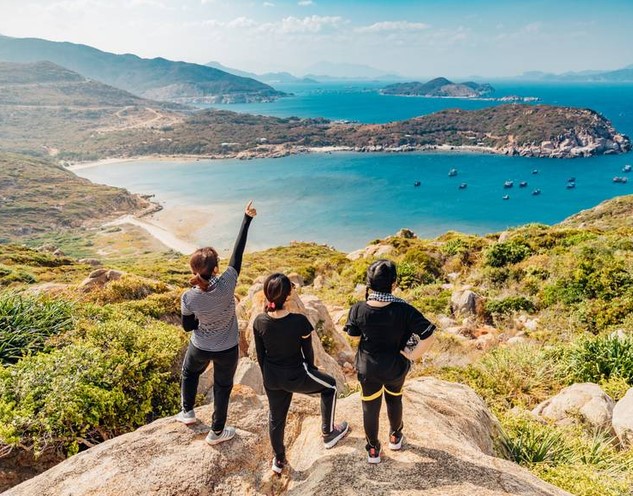
Picture this: you are standing on a windy mountain ridge at sunrise, looking out across an ocean of jagged peaks bathed in golden light, feeling an overwhelming sense of accomplishment. Then you open your banking app on your phone and remember the $4,000 price tag of the luxury guided package you booked—and suddenly, the view feels a lot less liberating.
Over my ten years of trekking across the Andes, the Himalayas, and the Balkans, I have seen far too many passionate outdoor enthusiasts stay home because they assumed world-class trekking was strictly a rich person’s game. The truth? Expensive commercial expeditions often just sell inflated luxury, heavy gear transport, and plush lodge stays that actually disconnect you from the raw beauty of the trail.
Finding high-value budget hiking tours—or structuring cost-effective independent treks—is not about suffering or taking dangerous shortcuts. It is about allocating your money where it actually counts: safety, solid trail nutrition, and reliable local expertise.
If you are a beginner or intermediate hiker looking to trek world-class trails without breaking the bank, this deep-dive guide will show you how to stretch your budget without sacrificing safety or trail enjoyment.
The True Cost of Trekking: Value vs. Overpriced Luxury
Before booking any guided trek, it is essential to understand what you are actually paying for. Many high-end travel agencies markup tour prices by up to 300% simply for acting as middlemen between you and local mountain guides.
Decoupling Agency Markups from Trail Value
When you strip away glossy agency brochures, a trekking tour consists of a few core technical components: permit fees, navigation/guiding, logistical gear transport, food, and shelter.
-
Middleman Fees: International commercial operators often outsource the entire expedition to local guiding agencies while taking a massive cut for marketing.
-
Over-Serviced Logistics: Paying for multi-course meals served on china plates in remote mountain tents adds massive porter weight, driving tour costs through the roof.
-
Community Equity: Booking directly with local, independent guide cooperatives ensures that more of your money goes straight into the pockets of local mountain communities.
Think of an expensive guided tour like buying a pre-packaged gourmet sandwich at an airport. You are paying a huge premium for convenience and branding, whereas buying the ingredients locally gives you a fresher, customized meal at a fraction of the cost.
Global Regions for High-Value, Low-Cost Trekking
Certain mountain ranges around the world offer incredible infrastructural support for self-guided or budget-guided hikers, keeping daily trail expenses amazingly low.
                    ┌─────────────────────────────────────────┐
                    │      BUDGET TREKKING DESTINATIONS       │
                    └────────────────────┬────────────────────┘
                                         │
     ┌───────────────────────────────────┼───────────────────────────────────┐
     ▼                                   ▼                                   ▼
[ THE BALKANS (EUROPE) ]           [ NEPAL (HIMALAYAS) ]              [ PERU (ANDES) ]
 • Peaks of the Balkans Trail      • Teahouse trekking networks       • Salkantay & Ausangate routes
 • Ultra-affordable hut stays      • No heavy camping gear needed     • Local guide cooperatives
 • Rich culture & hearty food      • Low-cost daily meals & beds      • Accessible high-altitude trails
1. The Balkans: Europe’s Best-Kept Outdoor Secret
While the Swiss Alps or French Pyrenees charge premium prices for mountain huts, the Dinaric Alps across Albania, Kosovo, and Montenegro offer breathtaking karst landscapes at a fraction of the cost.
-
Key Highlights: The Peaks of the Balkans circuit provides cross-border mountain pass trekking where local family guesthouses offer warm beds and home-cooked meals for around $35–$45 per night.
-
Best For: European trail seekers wanting alpine grandeur without western European prices.
2. Nepal: The Legendary Teahouse System
Nepal remains the undisputed capital of budget-friendly mountain adventure thanks to its extensive network of village-run teahouses.
-
Key Highlights: Routes like the Annapurna Circuit or Langtang Valley allow you to trek for weeks carrying only a lightweight pack, sleeping in local lodges, and eating hot meals for $20–$30 a day.
-
Best For: Intermediate hikers looking for long-distance, high-altitude Himalayan immersion.
3. Peru: Alternative Andean Circuits
While the classic Inca Trail requires expensive permits booked months in advance, surrounding Andean routes deliver superior high-altitude scenery for a tiny fraction of the price.
-
Key Highlights: The Salkantay Trek or Ausangate Circuit can be completed independently or booked through local Cusco-based agencies for up to 60% less than international online bookings.
-
Best For: Hikers looking to conquer 4,600m+ mountain passes on a shoestring budget.
How to Select and Verify Budget Hiking Tours
Not all low-cost operators are created equal. When hunting for budget hiking tours, verifying safety standards and ethical operations is crucial before paying a deposit.
1. Evaluate Guide-to-Client Ratios and Certifications
Never compromise on mountain safety just to save a few dollars.
-
Guide Accreditations: Verify that your lead guide holds certifications from recognized mountain associations (such as IFMGA, WFA/WFR wilderness first aid training, or national park guide licensing).
-
Safe Group Ratios: Ensure group sizes are capped at 1:6 or 1:8 per guide to guarantee adequate safety supervision on steep or technical terrain.
2. Inspect Equipment and Porter Welfare Policies
A key indicator of an ethical budget operator is how they treat their support crew and maintain their rental equipment.
-
Porter Protection: Ensure the operator strictly enforces weight limits for porters (typically max 15–20 kg per porter) and provides them with proper cold-weather gear and insurance.
-
Tent and Gear Quality: If camping is required, confirm that tents feature waterproof, double-walled construction with sturdy aluminum poles capable of handling high-mountain winds.
Field Observation: During an expedition in South America, I noticed that budget hikers who brought their own tested lightweight sleeping bag and sturdy boots had a much higher success rate than those who rented beat-up, sub-zero gear from discount shops in tourist towns. Invest in your personal contact points (feet and sleeping gear), and save money everywhere else.
Expert Advice: Pro Tips and Hidden Warnings
To ensure your budget-friendly trekking adventure remains safe, comfortable, and financially smart, keep these field-tested guidelines in mind:
-
Pro Tip: Book Directly in the Gateway Hub: Instead of booking your trek six months in advance through an international online agency, fly into the gateway town (e.g., Pokhara for Nepal, Cusco for Peru, or Shkodër for Albania) and speak directly with local guide cooperatives. You will get better prices and see exactly who you are hiring.
-
Hidden Warning: Watch Out for Unbundled Hidden Fees: Some low-cost tour operators quote extremely cheap base prices, only to surprise you on the trail with unbundled fees for national park entry permits, shuttle transfers, baggage weight overages, or drinking water. Always request an itemized “included vs. excluded” sheet.
-
Pro Tip: Master the Art of Trail Meal Efficiency: If trekking independently, carry lightweight, high-calorie food items like nut butters, oats, dried fruit, and dehydrated meals. Supplementing local guesthouse food with your own high-density snacks cuts daily food costs significantly.
-
Hidden Warning: Never Cheap Out on Emergency Medical Insurance: Ensure your travel insurance policy explicitly includes high-altitude trekking (up to 5,000 meters / 16,400 feet) and emergency helicopter evacuation coverage. Medical evacuation from a remote mountain pass can easily cost upwards of $5,000 to $10,000 out-of-pocket if uninsured.
The Trail is Waiting—No Fortune Required
Embarking on world-class budget hiking tours proves that memorable outdoor adventures are defined by the grandeur of the mountains and the strength of your spirit, not the price of your hotel room. By choosing high-value destinations, supporting local guide cooperatives, and packing smart, you can explore the world’s most breathtaking wildernesses while keeping your wallet intact.
Lace up your boots, do your research, and take that first step toward your next great mountain journey!
Over to You: What is your ultimate dream trekking destination, and what is your biggest challenge when trying to keep travel costs down on the trail? Share your thoughts, questions, or favorite budget hiking spots in the comments below!
