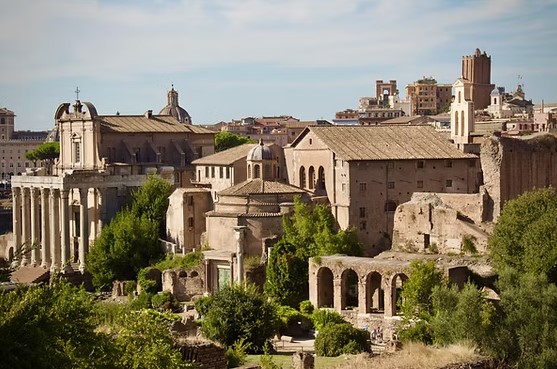
You step onto a grooved stone street, lace up your boots, and realize that the basalt blocks under your feet were worn smooth by Roman chariot wheels two thousand years ago. Then, a tour bus pulls up, unloading eighty tourists with selfie sticks who instantly crowd the narrow corridor and drown out the atmosphere with chatter.
We have all been caught in that tourist crush. Over my ten-plus years of mapping heritage trails, hiking sacred pilgrimages, and exploring archaeological corridors across four continents, I have learned that true ancient historic walks are not about rushing between famous photo spots. They are an immersive form of slow travel that lets you read a destination’s living history line by line.
Whether you are preparing for your very first heritage trek or looking to upgrade your cultural itineraries with better historical context, this deep-dive guide breaks down how to turn ordinary sightseeing into a transformative journey back in time.
1. Why Historic Walking Trails Beat Standard Bus Tours
Hopping on a air-conditioned tour bus gives you a superficial, drive-by look at historical sites. Walking through these spaces on foot, however, engages your senses and reveals architectural and cultural nuances that high-speed travel misses.
+------------------------+-------------------------------------------------------+-------------------------------------------------------+
| Aspect                 | Motorized Sightseeing Tour                            | Self-Paced Ancient Historic Walk                      |
+------------------------+-------------------------------------------------------+-------------------------------------------------------+
| Physical Pacing        | Rushed; limited to designated drop-off zones          | Flexible; controlled stopping for deep observation    |
| Sensory Engagement     | Filtered through glass windows and air conditioning   | Full exposure to ambient sounds, smells, & textures  |
| Cultural Immersion     | Surface-level audio commentary                        | Direct engagement with local heritage communities     |
| Spatial Context        | Disconnected jumps between landmarks                  | Continuous understanding of historical geography      |
+------------------------+-------------------------------------------------------+-------------------------------------------------------+
Think of an ancient historic walk like reading a original hardback manuscript instead of scrolling through a summary video online. Walking lets you pause at the margins, feel the weight of the pages, and uncover hidden details that give a site its true identity.
2. Icon Types of Global Heritage Walks to Add to Your Bucket List
Not all historical routes offer the same experience. Over a decade on the trail, I have categorized the world’s most rewarding heritage walks into three distinct formats, each serving different fitness levels and cultural interests.
Urban Archaeological Corridors (e.g., Rome’s Via Appia, Kyoto’s Philosopher’s Path)
-
The Experience: Navigating preserved ancient roads cutting through modern urban areas or quiet city edges.
-
Why Travel For It: You witness the seamless overlap of ancient engineering and modern life, stepping from 1st-century flagstones directly into a quiet local espresso shop or tea house.
-
The Insight: Start at dawn. Standing on Rome’s Via Appia Antica at 6:00 AM as mist rises over cypress trees and ruined aqueducts lets you experience the trail as ancient travelers did, long before city traffic wakes up.
Sacred Pilgrimage Routes (e.g., El Camino de Santiago, Kumano Kodo)
-
The Experience: Multi-day network trails connecting mountain shrines, rural monasteries, and sacred natural landmarks.
-
Why Travel For It: These routes balance physical endurance with living spiritual culture, taking you through rural villages that have hosted tired travelers for over a millennium.
-
The Insight: Staying in traditional pilgrim accommodations or mountain lodges (shukubo) gives you access to regional heritage cuisine and local folklore preserved for centuries.
Remote Ruin & Trade Trails (e.g., Peru’s Inca Trail, Jordan’s Petra Trail)
-
The Experience: Trekking through rugged, unpaved landscapes along trade arteries mapped out by ancient civilizations.
-
Why Travel For It: Reaching historic ruins on foot after days of hiking through mountains or deserts creates a powerful, well-earned connection to the site that no shuttle bus can replicate.
3. The Technical Side: Stratigraphy, Urban Design, and Navigation
Understanding a bit of archaeology and historical geography transforms how you see ancient ruins. When you know what to look for, static stone walls turn into rich, layered stories.
Reading Historical Stratigraphy on Foot
Stratigraphy is the geological and archaeological concept of soil and structural layering—older periods sit beneath newer ones.
-
The Ground Line Level: In cities like Athens, Rome, or Jerusalem, ancient street levels often sit 10 to 30 feet below modern pavement due to centuries of accumulated debris and rebuilding.
-
Repurposed Masonry (Spolia): Look closely at medieval or renaissance walls along ancient routes. You will frequently spot repurposed Roman columns or carved marble inscriptions built upside down into rough medieval stone walls—a common practice known as spolia.
Navigation and Spatial Context
Ancient roads were built with specific engineering logic. Roman roads prioritized straight, direct lines for rapid military deployment, using deep gravel layers and drainage ditches. In contrast, medieval mountain trails zig-zagged along natural contours to move pack animals safely. Recognizing these design choices helps you understand the priorities of the civilization that built them.
4. Packing and Preparation: Gear for Historic Trails
Trekking over centuries-old cobbles, uneven flagstones, and gravel paths places unique demands on your body and gear.
The Historic Trail Gear Checklist
-
Low-Profile Hiking Boots or Trail Runners: Standard running shoes lack the torsional rigidity needed for uneven cobblestones and slick marble streets. Opt for supportive footwear with thick, high-traction rubber soles.
-
Trekking Poles with Rubber Tips: Metal tips on trekking poles scratch and damage delicate ancient stonework. Always use durable rubber tips when walking on heritage paving or protected archaeological sites.
-
Offline Epigraphic & Topographic Maps: GPS signals often drop in narrow medieval alleys, deep desert canyons, and dense mountain passes. Download offline digital maps (like Organic Maps or Gaia GPS) and carry a compact physical guidebook detailing architectural features.
-
Breathable Cultural Attire: Many historic walks lead directly through active religious sites or temples with strict dress codes. Wear lightweight, breathable pants or long skirts, and keep a shoulder wrap packed in your daypack.
5. Pro Tips and Hidden Pitfalls
Draw on these field-tested strategies to ensure your historical walking experience is smooth, safe, and respectful.
Pro Tip: Use the “Reverse-Itinerary” Strategy to Beat CrowdsMost day tours visit popular historic corridors between 10:00 AM and 3:00 PM. To experience these routes in peace, start your walk at the traditional end-point at sunrise and walk back toward the trail head. You will enjoy empty stone streets, ideal morning light for photography, and miss the heavy crowds entirely.
Hidden Warning: Mind the Marble and Tread LightlyCenturies of foot traffic polish ancient limestone and marble flagstones into mirror-smooth, exceptionally slippery surfaces—especially when wet with morning dew or rain. Avoid stepping directly on smooth, sloping stones, and stick to rougher sections or earth paths alongside the road to keep your footing safe.
Step Into History on Your Next Trip
Embarking on ancient historic walks is one of the most grounding, enriching ways to explore our shared global heritage. By understanding site layout, packing supportive footwear, and stepping onto the trail away from peak tour hours, you transform a standard vacation into a memorable journey through time.
What is the most awe-inspiring historical road or heritage trail you have ever walked? Or are you planning your first historic trek this year? Leave a comment below, share your favorite trails, or ask any questions before taking your next step!
