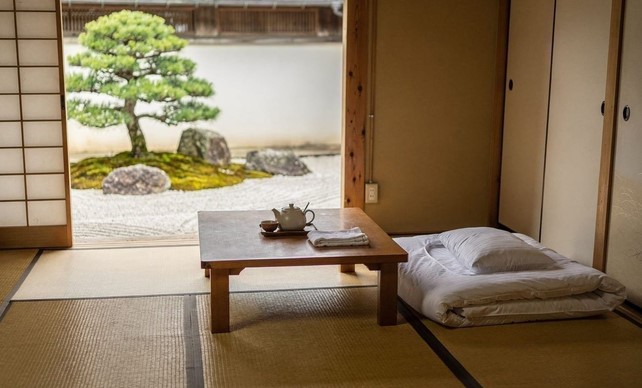
Imagine waking up at 4:30 AM to the deep, resonant ring of a bronze temple bell echoing through foggy mountain pine trees. You slide open your paper screen door, step onto polished cedar floorboards, and smell fresh incense blending with the crisp morning air. Now imagine realizing that this deeply peaceful retreat cost you less per night than a cramped, noisy hostel bed in a crowded tourist hub.
Over my ten years of wandering off the beaten track across East Asia, South Asia, and Southeast Asia, I have found that true travel luxury isn’t defined by thread-count or room service. Some of the most profound, soul-stirring nights of my life were spent on simple tatami mats or thin cotton futons inside ancient monastic complexes. Yet, many travelers assume that immersive budget temple stays are either reserved strictly for devout pilgrims or hidden behind impenetrable language barriers and rigid religious protocols.
If you are a beginner looking to trade commercial tourism for authentic cultural immersion, or an intermediate traveler seeking a peaceful sanctuary on a shoestring budget, this comprehensive guide will help you navigate the rewarding world of temple lodgings.
What Is a Temple Stay? Beyond Standard Accommodation
Staying overnight in a monastery or sanctuary is radically different from booking a standard hotel or guesthouse. You are not checking in as a mere tourist; you are stepping into an active spiritual ecosystem.
The Shift from Hospitality to Sacred Living
Commercial hotels offer passive consumption—you pay money and expect automated comfort. A temple stay relies on participatory immersion.
-
Monastic Daily Rhythm: You align your day with the resident monks or priests, participating in early morning chants, meditation sessions, and temple maintenance (samu).
-
Mindful Dining (Shojin Ryori / Temple Food): Meals are prepared using seasonal, plant-based ingredients designed to nourish the body without over-stimulating the senses.
-
Minimalist Living Space: Rooms are intentionally simple, featuring traditional sliding doors, tatami flooring or simple woven mats, and shared bathing facilities.
Think of an authentic temple stay as a digital and mental detox chamber. It strips away the ambient noise of modern life, allowing your sensory baseline to recalibrate while keeping your daily travel expenses amazingly low.
Global Hotspots for Authentic Budget Temple Stays
While monastic lodging traditions exist across various cultures, three key regions offer exceptional, structured programs for international travelers seeking low-cost spiritual lodging.
                    ┌─────────────────────────────────────────┐
                    │     BUDGET TEMPLE STAY REGIONS          │
                    └────────────────────┬────────────────────┘
                                         │
     ┌───────────────────────────────────┼───────────────────────────────────┐
     ▼                                   ▼                                   ▼
[ JAPAN (SHUKUBO) ]                [ SOUTH KOREA ]                    [ INDIA & SE ASIA ]
 • Mount Koya & Dewa Sanzan        • Templestay Korea program         • Ashrams & Theravada Monasteries
 • Shojin Ryori & Zazen            • Sunmudo & Tea Ceremonies         • Donation-based lodging & Vipassana
 • Traditional sliding door rooms  • Mountain forest settings         • Deep spiritual focus
1. Japan (Shukubo): Mount Koya and Beyond
In Japan, temple lodgings are known as Shukubo. Originally built to house traveling monks along pilgrimage routes, many active Shingon and Zen temples welcome overnight guests.
-
Key Highlights: Staying atop sacred Mount Koya (Koyasan), tasting intricate Shojin Ryori (traditional Buddhist vegetarian cuisine), and attending early morning fire rituals (Goma).
-
Best For: Travelers wanting high-level cultural immersion, serene garden architecture, and authentic Zen meditation practices.
2. South Korea: The National Templestay Program
South Korea offers one of the most organized and accessible temple lodging systems in the world, coordinated through the official Templestay Korea initiative.
-
Key Highlights: Staying in historic mountain sanctuaries like Haeinsa or Golgulsa, practicing martial arts (Sunmudo), learning 108 prostrations, and participating in formal tea ceremonies (Dada).
-
Best For: Beginners seeking structured English-guided activities, affordable fixed pricing, and clear booking channels.
3. India and Southeast Asia: Ashrams and Monastic Retreats
Across India, Thailand, and Myanmar, traditional ashrams and Buddhist monasteries (wats) offer deeply humble lodging options, often operating strictly on a voluntary donation basis.
-
Key Highlights: Immersing yourself in traditional yoga ashrams along the Ganges in Rishikesh or taking part in silent Vipassana meditation courses in northern Thailand.
-
Best For: Budget backpackers and long-term travelers looking for deep spiritual discipline, silent reflection, and minimal daily costs.
What to Expect: Daily Routines and Etiquette
To enjoy a seamless experience during budget temple stays, respecting local customs and adapting to the monastery’s daily schedule is essential.
1. The Typical Daily Schedule
While routines vary between traditions, most active temple stays follow a structured rhythm:
-
04:30 AM – 05:00 AM: Morning wake-up bell and personal preparation.
-
05:15 AM – 06:30 AM: Morning chanting (Okyong or Sutra reading) and silent meditation (Zazen).
-
07:00 AM: Communal silent breakfast (Balwoo Gongyang).
-
08:30 AM – 11:30 AM: Temple chores (Samu), garden sweeping, or guided forest walks.
-
12:00 PM: Plant-based lunch.
-
05:30 PM – 06:00 PM: Evening prayer and light dinner.
-
09:00 PM: Strict quiet hours and lights out.
2. Foundational Etiquette Rules
-
Modest Dress Code: Cover your shoulders, chest, and knees at all times. Wear loose, comfortable trousers suitable for sitting on floor cushions.
-
Mindful Voice Volumes: Keep your voice low in all communal corridors and courtyards. Turn off phone ringers and respect designated silent zones.
-
Footwear Protocols: Always remove street shoes before stepping onto wooden temple verandas, tatami mats, or meditation halls. Slip-on shoes or sandals make frequent shoes-off transitions easy.
Field Observation: During my first stay at a secluded temple in Wakayama, I noticed that guests who treated the experience as a cheap alternative to a hotel often struggled with the early wake-up calls and simple meals. Those who approached the stay as an active mindfulness workshop left feeling deeply refreshed and restored.
Expert Advice: Pro Tips and Hidden Warnings
To ensure your monastic lodging experience remains smooth, respectful, and budget-friendly, keep these field-tested guidelines in mind:
-
Pro Tip: Pre-Book Official English-Friendly Channels: In South Korea, use the official Templestay.com portal to filter for venues with English-speaking monastic guides. In Japan, check local tourism association portals or direct temple booking engines to confirm international guest policies.
-
Hidden Warning: Beware of Strict Curfews and Gate Locks: Most active monasteries lock their main perimeter gates by 5:00 PM or 6:00 PM following evening prayers. If you are out exploring nearby village trails, ensure you return well before gate closure to avoid being locked out for the night.
-
Pro Tip: Pack Warm Layering Essentials: Ancient timber temples rarely feature modern central heating. If traveling in autumn, winter, or early spring, pack thermal base layers, heavy woolen socks, and a compact fleece jacket to stay warm during unheated morning meditation sessions.
-
Hidden Warning: Prepare for Shared Bathing Facilities: Budget temple stays frequently utilize communal bathhouses (Sento or shared washrooms) separated by gender. Bring a small quick-drying travel towel, basic biodegradable toiletries, and a relaxed mindset regarding shared facilities.
Experience Sacred Tranquility on Any Budget
Choosing budget temple stays is far more than a clever way to stretch your travel funds—it is an invitation to step off the fast-paced tourist track, slow down your thoughts, and experience ancient living traditions from the inside out. By embracing simple accommodations, respecting monastic guidelines, and opening your mind to quiet reflection, your stay will become a memorable highlight of your global travels.
Pack your modest layers, set an early morning alarm, and prepare to discover the peaceful power of sacred simplicity!
Over to You: Have you ever stayed overnight in a monastery, ashram, or temple? Or is a temple stay on your bucket list for your next trip to Asia? Share your questions, favorite peaceful spots, or travel stories in the comments below!
