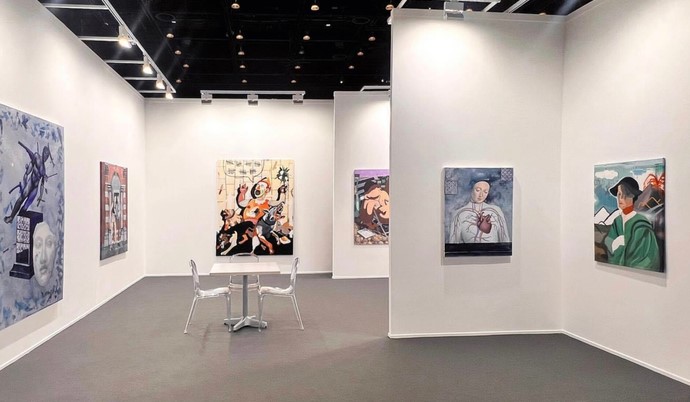
You have spent hundreds of dollars on a plane ticket, booked a hotel, and stood in a two-hour line outside a world-famous museum—only to spend your visit ducking around raised smartphones, staring at the back of people’s heads, and getting rushed past a masterpiece by security guards.
We have all been caught in that tourist trap. After spending over a decade traveling to international biennials, heritage galleries, and immersive installations across six continents, I have learned that the world’s most powerful cultural art exhibitions are rarely the ones dominating generic travel brochures.
Whether you are planning your first art-focused trip or looking to elevate your cultural travel itinerary, this deep-dive guide breaks down how to discover, navigate, and truly experience exhibitions that make every mile traveled worthwhile.
1. The Shifting Landscape of Cultural Art Travel
Attending international art events used to be reserved for wealthy collectors and academics. Today, cultural tourism is booming, but the way we consume global art has fundamentally changed.
+------------------------+-------------------------------------------------------+-------------------------------------------------------+
| Aspect                 | Traditional Art Tourism                               | Modern Immersive Cultural Travel                      |
+------------------------+-------------------------------------------------------+-------------------------------------------------------+
| Primary Focus          | Passive viewing of static, historical artifacts       | Interactive, living culture & contemporary voices    |
| Venue Style            | Classic "White Cube" indoor galleries                 | Site-specific installations, heritage spaces, outdoor |
| Visitor Engagement     | Surface-level audio tours                             | Deep contextual storytelling & curator talks          |
| Logistics              | Walk-up tickets & crowded peak hours                  | Timed-entry ticketing, timed-release passes, passes   |
+------------------------+-------------------------------------------------------+-------------------------------------------------------+
Think of a standard museum visit like watching a recorded play on a small screen—it is informative, but distant. Traveling for site-specific cultural art exhibitions is like sitting in the front row of an immersive theater performance where the venue, history, and local atmosphere all interact with the artwork itself.
2. Types of Global Exhibitions Worth Traveling For
Understanding the different formats of global exhibitions helps you curate trips that match your personal interests and travel style.
International Art Biennials and Triennials
-
The Concept: City-wide or region-wide art festivals held every two or three years (such as the Venice Biennale, Sharjah Biennial, or Sydney Biennale).
-
Why Travel For It: Entire cities transform into living galleries. Contemporary artists from over 80 nations build massive, site-specific installations in historic warehouses, old forts, and public squares.
-
The Experience: It feels like a global treasure hunt where world-class art serves as your map to explore hidden urban corners rarely open to everyday tourists.
Retrospectives and Blockbuster Touring Exhibitions
-
The Concept: Once-in-a-decade, monographic shows that gather rare works from private collections and international museums into a single location.
-
Why Travel For It: Seeing 40 scattered paintings by a single master brought together under one roof offers a profound, once-in-a-lifetime look into an artist’s mind.
-
The Experience: High-demand and tightly controlled, requiring advance strategy and timed-entry planning.
Living Cultural Heritage & Indigenous Showcases
-
The Concept: Exhibitions curated directly by indigenous communities and local heritage preservationists in places like Oaxaca, Kyoto, or Santa Fe.
-
Why Travel For It: These showcases preserve ancestral techniques—from traditional textile dyeing to woodblock carving—while challenging modern artistic boundaries.
-
The Experience: Authentic, human-centric, and deeply tied to local communities and economies.
3. The Technical Side: Ticketing Mechanics, Lighting, and Curatorial Design
Navigating major cultural institutions requires an understanding of how modern exhibitions are engineered and operated.
Deciphering Curatorial Narrative and Spatial Flow
Curators design exhibitions using spatial choreography. Pay attention to how lighting, room layout, and wall texts guide your movement:
-
Chronological vs. Thematic Layouts: Chronological setups tell a historical timeline, while thematic layouts connect works across centuries based on shared ideas. Recognizing this structure early helps you absorb the exhibit’s story without feeling overwhelmed.
-
Lux Levels and Lighting Design: Fragile works on paper or ancient textiles are illuminated under low light (often 50 Lux or lower) to prevent atmospheric degradation. Give your eyes two to three minutes to adjust when stepping into dimly lit rooms so you don’t miss subtle details.
Master Timed-Entry Ticketing Systems
Major global institutions run strict timed-entry ticketing to manage crowd density and protect delicate environments.
-
The Release Window: High-profile exhibitions open ticket reservations two to four months in advance. Set calendar reminders for ticket drops to secure early-morning slots.
-
VIP & After-Hours Access: Many public museums offer early-bird access, late-night gallery openings, or museum membership tiers that grant entrance before public doors open, allowing you to experience the space without heavy crowds.
4. How to Plan an Art-Centric Travel Itinerary
Planning trips around cultural art exhibitions requires balancing gallery time with local exploration to avoid museum fatigue.
The 2-2-2 Rule for Art Travelers
To keep your mind fresh and avoid physical exhaustion, build your day around a balanced rhythm:
-
2 Hours Maximum Per Session: Limit active gallery viewing to two hours at a time. After 120 minutes, visual fatigue sets in, and your brain stops processing details effectively.
-
2-Hour Cultural Intermission: Step outside, grab a local espresso or lunch, and take a stroll through a nearby park or neighborhood to clear your mental slate.
-
2 Primary Focal Points: Never schedule more than two major art sites or cultural venues in a single day. Quality of engagement always trumps quantity.
Essential Gear for Cultural Explorers
-
Noise-Canceling Earbuds: Perfect for tuning into downloadable audio guides, curator podcasts, or blocking out ambient museum noise.
-
A5 Sketchbook & Archival Pen: Writing down quick impressions or sketching details deepens your visual memory far better than taking dozens of unread smartphone photos.
-
Comfortable Footwear: Gallery floors are almost universally polished concrete, marble, or hardwood—wearing unsupportive shoes will cut your visit short.
5. Pro Tips and Hidden Pitfalls
Draw on these insider strategies to elevate your cultural travel experiences and avoid common travel traps.
Pro Tip: Seek Out the “Closed-Door” Press or Vernissage DaysIf you want to experience biennials before the general public, look into acquiring professional accreditation or joining a museum patrons group. Many preview days (vernissages) are accessible if you register in advance as an educator, writer, or arts supporter, giving you peaceful access to artists and curators.
Hidden Warning: Beware of Fake “Immersive Experience” Cash GrabsIn recent years, unaccredited companies have set up expensive digital projector displays in rented warehouses, marketing them as “immersive exhibitions” of famous historical painters. These mass-market commercial events often charge premium ticket prices for simple digital projections with zero original artwork or legitimate curatorial context. Always verify if an exhibition is hosted or endorsed by a accredited cultural institution before purchasing tickets.
Embark On Your Next Cultural Journey
Traveling for cultural art exhibitions is one of the most enriching ways to explore the world. It pushes you past basic sightseeing, immerses you in local history, and introduces you to perspectives that challenge and inspire. By mastering ticketing logistics, pacing your gallery visits, and choosing authentic showcases, you unlock a deeper way to travel.
What is the most memorable art exhibition or cultural showcase you have ever visited abroad? Or are you planning a trip around an upcoming exhibition this year? Leave a comment below, share your favorite cultural spots, or ask any questions before your next trip!
