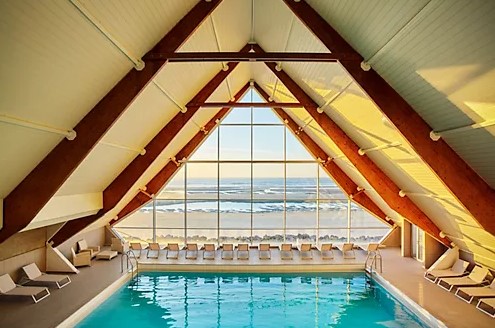
In today’s fast-paced world, finding time to care for the mind, body, and soul has become a priority for travelers seeking more than just a change of scenery. Wellness spa breaks have emerged as a popular solution, offering short-term retreats designed to relieve stress, restore balance, and promote holistic health. Unlike extended vacations, these targeted escapes allow individuals to disconnect from daily pressures, immerse themselves in therapeutic environments, and return refreshed, often within a weekend or a few days. This article explores the benefits, planning considerations, and evolving trends associated with wellness-focused spa getaways.
The Benefits of Short-Term Spa Retreats
Wellness spa breaks provide a concentrated approach to physical and mental rejuvenation. Even a short stay can deliver significant restorative effects, from relaxation of tense muscles to enhanced mental clarity. The combination of professional treatments, peaceful environments, and mindful activities creates a synergy that encourages deep restoration.
One of the main advantages of short-term wellness retreats is accessibility. Individuals with busy schedules or limited travel budgets can experience the benefits of spa therapies without committing to a lengthy vacation. Moreover, these breaks often include holistic programming, such as yoga sessions, meditation classes, guided walks, or nutrition workshops, which support sustainable lifestyle improvements beyond the duration of the stay.
Physiologically, spa treatments like massages, hydrotherapy, and aromatherapy help reduce stress hormones, improve circulation, and alleviate chronic tension. Simultaneously, wellness retreats frequently provide opportunities for reflection and mindfulness, promoting better sleep patterns, mental focus, and emotional well-being.
The environment of a spa retreat plays an equally important role. Locations are carefully selected to enhance relaxation, often featuring natural surroundings such as mountains, forests, or coastal settings. These serene landscapes allow participants to disconnect from urban distractions and engage with nature, which itself has documented psychological benefits.
Designing an Effective Wellness Spa Break
To maximize the benefits of a short wellness spa break, careful planning and selection of services are crucial. Retreats vary widely in terms of offerings, focus, and intensity, so understanding personal needs helps tailor the experience.
Tailored Treatments and Holistic Programming
Most wellness spas provide customizable packages, combining treatments such as massages, facials, body wraps, or hydrotherapy sessions with fitness and mindfulness activities. Selecting a combination that aligns with individual goals—whether stress reduction, detoxification, or rejuvenation—ensures that the retreat meets expectations. Many modern spas also incorporate evidence-based wellness modalities, including guided meditation, breathwork, and biofeedback sessions, offering a more comprehensive approach to self-care.
Nutrition and diet are often integrated into wellness spa breaks. Many retreats provide balanced, seasonal, and locally sourced meals designed to support physical rejuvenation and mental clarity. Nutrition workshops or cooking classes may further enhance understanding of healthy habits, enabling guests to maintain benefits after leaving the spa environment.
Accessibility and comfort are key factors in short-term retreats. Spa accommodations are typically designed to support rest and ease, with serene rooms, private treatment spaces, and tranquil common areas. Guest experiences often emphasize minimal technology and quiet reflection, allowing the mind to rest alongside the body.
Trends Shaping the Future of Wellness Spa Travel
The wellness tourism industry has evolved to meet increasing demand for personalized and meaningful travel experiences. Short spa retreats are adapting to these trends by offering innovative programming, sustainable practices, and culturally immersive elements.
Sustainability has become a hallmark of high-end wellness offerings. Spas are incorporating eco-friendly design, renewable energy, organic products, and local sourcing. By aligning luxury with responsibility, retreats appeal to travelers seeking both comfort and conscious choices. Additionally, many spas integrate local traditions, such as indigenous healing practices, herbal remedies, or region-specific treatments, enriching the visitor experience with cultural insight.
Technology also plays a supporting role. Mobile apps and digital platforms allow guests to schedule treatments, monitor wellness progress, or access guided meditations before arrival. Despite these technological aids, the emphasis remains on unplugging and fostering presence, ensuring that the retreat balances convenience with immersion.
Wellness spa breaks also cater to varying travel styles. Solo travelers, couples, and small groups can each find specialized offerings, from introspective solo retreats to rejuvenating partner experiences. Flexible durations—ranging from one-day mini-retreats to weekend packages—allow individuals to choose options that fit their schedule and wellness goals.
In conclusion, short wellness escapes provide more than temporary relaxation; they offer structured opportunities for rejuvenation, self-reflection, and sustainable well-being practices. Thoughtfully designed wellness spa breaks enable travelers to restore balance in mind and body, reconnect with themselves, and cultivate healthy habits that extend beyond the retreat. For busy individuals seeking meaningful respite, these short-term journeys offer transformative experiences that refresh and energize in just a few days.
