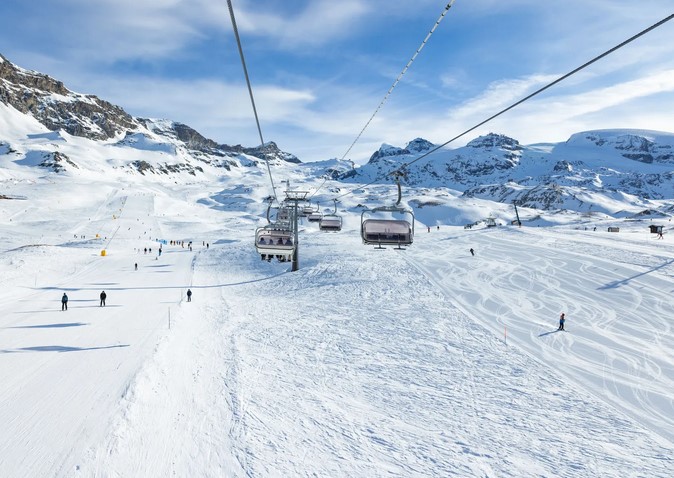
 You’re standing at the base of a legendary peak in Aspen or St. Moritz, the morning sun sparkling off a fresh coat of “bluebird” powder. You reach for your wallet to buy a day lift ticket, and the clerk casually mentions a price tag of $280. Suddenly, the mountain air feels a lot colder. This is the “Walk-up Window Trap,” and for many beginners, it’s the reason they think skiing is a sport reserved exclusively for the 1%.
In my twelve years of chasing winters from the Japanese Alps to the jagged peaks of the Pyrenees, I’ve learned that the “sticker price” of skiing is a total myth. I’ve skied 50 days in a single season for less than the cost of a three-day weekend in Vail. The secret isn’t a magic coupon; it’s understanding the complex, data-driven world of winter ski passes.
If you’re tired of feeling like you need a second mortgage just to slide down a hill, this deep dive is your roadmap to the “Direct-to-Lift” life on a budget.
Understanding the Multi-Mountain Pass Ecosystem
Think of buying winter ski passes like a streaming service subscription. In the old days (the “DVD era”), you bought a ticket for one specific mountain for one specific day. Today, we live in the era of the “Mega-Pass.” You pay one upfront fee, and you get access to a massive library of mountains across the globe.
However, just like choosing between Netflix, Disney+, and Hulu, picking the right pass depends on your “viewing habits”—or in this case, your skiing style. Are you a weekend warrior, a cross-country road tripper, or someone who just wants to learn on a local hill?
The Technical Reality: Dynamic Pricing
Most major resorts now use Dynamic Pricing Algorithms. This is the same tech airlines use. The closer you get to the date, and the more people search for it, the higher the price climbs. Buying your pass in October vs. buying it in December can be the difference between a $600 season pass and a $200 daily ticket.
The Big Three: Which Pass Wins for You?
For those in the “Intermediate” planning phase, you’ve likely heard the big names. But let’s break down the technical value of each to see where the real savings hide.
1. The Epic Pass: The Corporate Heavyweight
Owned by Vail Resorts, this is the “Amazon Prime” of skiing. It covers massive names like Whistler Blackcomb, Park City, and even partners in Switzerland and Japan.
-
The Budget Strategy: Look for the Epic Local Pass. If you don’t mind “Blackout Dates” (holidays like Christmas or President’s Day), you can save nearly 30% off the full price while keeping almost all the same access.
-
My Insight: I’ve found that the “Epic Day Pass” (where you pre-purchase 1-7 days) is actually the best entry point for beginners. It brings the daily cost down to under $100 if bought early enough.
2. The Ikon Pass: The Enthusiast’s Choice
This is the main rival to Epic, covering Alterra-owned peaks like Mammoth, Steamboat, and the legendary Niseko United in Japan.
-
The “Session” Hack: Ikon offers a 4-Day Session Pass. For a beginner who only plans on one big trip, this is significantly cheaper than buying individual tickets at the window.
-
The Technical Edge: Ikon tends to include more “independent” resorts that have a soul and a local vibe, which often translates to cheaper food and lodging nearby.
3. The Indy Pass: The Budget King
If Epic and Ikon are the big-budget blockbusters, the Indy Pass is the indie film circuit. It gives you two days of access to over 100+ smaller, authentic resorts.
-
The Math: This pass usually retails for around $300-$400. If you visit just three mountains, the pass has already paid for itself.
-
Personal Experience: I’ve had my best powder days on Indy Pass mountains. Why? Because they don’t have the high-speed six-pack chairs that “vacuum” the mountain clean of fresh snow by 10:00 AM.
Global Budget Gems: Where Your Dollar Flies Further
If you’re willing to look past the “Big Names” in North America and Western Europe, you can find world-class winter ski passes for the price of a nice dinner.
Eastern Europe: The New Frontier
Places like Bansko, Bulgaria or Jasná, Slovakia offer incredibly modern lift infrastructure (Poma and Doppelmayr systems) at a fraction of the cost of the French Alps.
-
The Cost: A 6-day lift pass in Bansko often costs less than a single day at a top-tier US resort.
-
The Trade-off: The language barrier is slightly higher, but the “Après-ski” (the party after skiing) is significantly cheaper and often more wild.
Japan: The “Japow” Discount
Contrary to popular belief, Japan is one of the most affordable places to ski.
-
The Experience: Most Japanese resorts are independent. A day pass at a high-quality mountain like Hakuba 47 or Nozawa Onsen usually hovers around $40-$50.
-
Pro Tip: Look for “Lift Ticket + Meal” deals. Many Japanese resorts offer a package where for an extra $5, you get a massive bowl of hot ramen for lunch.
Expert Advice: Tips and Hidden Warnings
After a decade of “ski-bumming” my way across the world, here are the secrets the resorts won’t tell you on their glossy brochures.
Tips Pro: The “Spring Pass” Pivot
Resorts get desperate in March and April. If you missed the early-bird window in the fall, look for Spring Season Passes. Many resorts will sell a pass in March that covers the rest of the current season and the entirety of the following year. It’s essentially a “Buy One, Get One” for your ski life.
Hidden Warning: The “Parking Tax”
You might find a cheap $80 lift ticket, but then realize the resort charges $40 for parking. Always check the transit logistics. I prefer resorts with robust shuttle systems or those that offer “Carpool Discounts.” Some resorts in Utah will actually give you a preferred parking spot or a discount if you have 3+ people in the car.
Beware the “RFID” Fee
Most modern winter ski passes use RFID (Radio Frequency Identification) cards. You usually pay a one-time fee ($5-$25) for the physical card. Do not throw this away! You can “reload” these cards online for future trips, often skipping the ticket line and saving a “re-issue” fee.
How to Choose the Right Pass for Your Skill Level
-
Beginners: Don’t buy a $900 Epic Pass. Look for “Learning Area Only” tickets. Many mountains offer a significantly cheaper ticket that only gives you access to the “magic carpets” and the beginner chairlifts. Why pay for 100 trails when you’re only going to use two?
-
Intermediate: Focus on the Local/Regional Passes. You want a mountain with a good variety of “Blue” (intermediate) runs but without the “Prestige” pricing of a global destination.
Summary: The Mountain is Yours
Skiing is an investment in your mental health and your sense of adventure. It’s the closest humans can get to flying while keeping our feet on the ground. By mastering the science of winter ski passes, you aren’t just saving money—you’re buying more time in the mountains.
Stop looking at the walk-up window prices and start looking at the calendar. The best time to plan your winter isn’t when the first snowflake falls; it’s right now.
Which mountain range has been on your bucket list for years? Or maybe you’ve found a secret “budget” hill that more people should know about? Let’s talk shop in the comments—I’m always looking for the next great deal!
