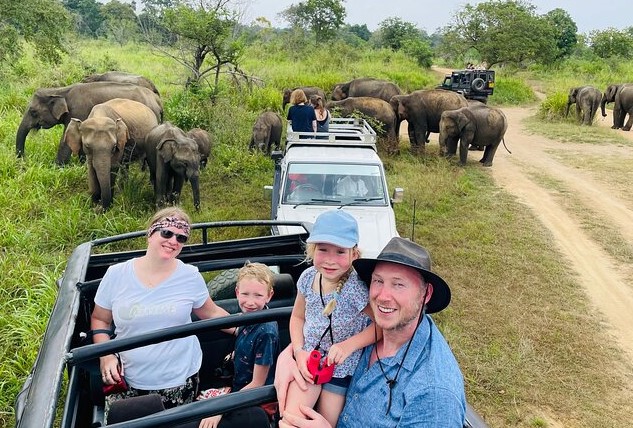
The silence of the Savannah is never truly silent. It’s a low-frequency hum of insects, the dry rustle of golden grass, and—if you’re lucky—the rhythmic, heavy breathing of a pride of lions resting just meters from your vehicle. But in 2026, there’s a new sound missing from the best safari circuits: the intrusive rattle of a diesel engine. Last year, a staggering 53% of travelers reported being more conscious of their impact on local communities and ecosystems, sparking a massive shift toward “silent” and sustainable wildlife viewing.
In my decade of traversing the globe—from the dense jungles of India to the floodplains of the Okavango Delta—I’ve learned that a “safari” is a delicate contract. We pay to witness nature’s rawest moments, and in exchange, our presence should act as a shield for those very animals, not a threat. Yet, many beginners fall into the “Luxury Trap,” where high prices fund high-impact carbon footprints rather than conservation.
If you want to experience the wild without leaving a scar, you need to look for eco-safari experiences that prioritize the “Quiet Tech” and “Community-First” models.
The Rise of the “Silent Safari”: E-Mobility and Beyond
Think of a traditional safari vehicle as a bull in a china shop—it’s loud, it vibrates, and it announces your arrival miles before you see anything. An eco-safari, by contrast, is like a ghost in the machine.
The most significant technical advancement in 2026 is the widespread adoption of Electric Safari Vehicles (EVs). These converted 4x4s don’t just reduce carbon emissions; they fundamentally change how you interact with wildlife.
-
The Experience: On a recent trek in Kenya’s Naboisho Conservancy, our electric cruiser allowed us to glide up to a cheetah mother and her cubs. Without the engine vibration, the cheetahs remained completely relaxed, and we could hear the tiny “chirps” of the cubs—a sound usually drowned out by a revving Land Rover.
-
The Technical Edge: EVs have zero tailpipe emissions and utilize regenerative braking, which is perfect for the stop-and-start nature of game drives. Many lodges now power these fleets via massive Solar Micro-grids, making the entire operation “Closed-Loop.”
How to Spot Genuine Eco-Safari Experiences
With “Greenwashing” becoming a sophisticated marketing tool, identifying a truly sustainable operator requires looking past the bamboo straws. When vetting eco-safari experiences, I use the “Pillar of Three” rule:
1. Conservation Reinvestment (The “20% Rule”)
A legitimate eco-lodge doesn’t just “support” conservation; they fund it. Top-tier operators, like those in the Borana Conservancy, now allocate roughly 24% of their published rates directly to anti-poaching and habitat restoration.
-
Pro Tip: Ask for the lodge’s Impact Report. If they can’t show you exactly how many dollars went into the local ranger salaries or AI-enabled wildlife surveillance, they are likely just “Green-lite.”
2. Low-Density Logistics
Over-tourism is a death sentence for fragile ecosystems. The best eco-safaris operate on a High-Value, Low-Impact model.
-
The Metric: Look for properties that limit the number of vehicles at a single sighting. In Botswana’s private concessions, the limit is often just two vehicles per sighting. This prevents “Wildlife Stress,” a technical term for when animals change their hunting or mating behavior due to human pressure.
3. Community Equity
True sustainability includes the people living alongside the wildlife.
-
The Check: Does the lodge employ 90%+ local staff? Do they source their produce from neighboring “shambas” (farms)? If the luxury wine is flown in from France but the local village has no clean water, it’s not an eco-safari.
Top Destinations for 2026: Beyond the Big Names
While everyone flocks to the Serengeti, the true “Eco-Connoisseurs” are heading to underrated corridors where their presence has a greater positive impact.
Zambia: The Birthplace of the Walking Safari
If you want to reduce your carbon footprint to literally zero, you have to walk.
-
The Experience: South Luangwa National Park is the gold standard for walking safaris. Guided by an armed scout and a master naturalist, you learn to read the “newspaper of the bush”—the tracks, the droppings, and the alarm calls of birds.
-
LSI Keywords: Carbon-neutral trekking, biodiversity monitoring, low-impact infrastructure.
Namibia: Desert-Adapted Conservation
Namibia’s communal conservancy model is a masterclass in how humans and desert-adapted lions can coexist.
-
The Standout: Lodges here often use Removable Infrastructure. These are structures built on stilts with zero concrete foundations, meaning if the lodge were moved tomorrow, the desert would reclaim the spot within a single season.
Expert Advice: Tips and Hidden Warnings
As someone who has seen both the beauty and the “dark side” of wildlife tourism, here is my insider’s guide to doing it right.
Tips Pro: The “Shoulder Season” Secret
For intermediate travelers, I always recommend the “Green Season” (typically the rainy months).
-
The Benefit: Lodges are half-empty, meaning fewer vehicles on the road. The dust is gone, the air is crisp (perfect for photography), and you’re supporting the lodge during their most financially vulnerable time.
Hidden Warning: The “Petting” Red Flag
This is a non-negotiable for me. Any operator that allows close contact with wild animals—petting lion cubs, walking with cheetahs, or riding elephants—is unethical. These animals are often “retired” to the bone trade or canned hunting when they get too old. If the “encounter” feels like a photo-op rather than an observation, walk away.
The “Scent and Sound” Protocol
-
The Advice: Wear neutral colors (khaki, olive, tan). Bright colors like white and red are “threat colors” to many herbivores.
-
The Sound: Keep your voice at a “library whisper.” Sound travels incredibly well across flat plains, and your loud conversation about your flight can ruin the hunting strategy of a leopard a kilometer away.
Planning Your 2026 Ethical Expedition
If you’re ready to join the movement, start by looking for certifications from recognized bodies like the Global Sustainable Tourism Council (GSTC) or regional leaders like Ecotourism Kenya.
However, the best research is often personal. Email the lodge. Ask about their Water Management Systems and their Solar-to-Diesel ratio. A property that is proud of its technical sustainability will be more than happy to send you a 10-page breakdown of their geothermal cooling.
Summary: Leaving the Wild Better Than You Found It
An eco-safari isn’t just a vacation; it’s a contribution. When you choose eco-safari experiences that prioritize “Care over Clout,” you aren’t just seeing the world—you’re ensuring that the “Grey Ghosts” and “Big Cats” of the Savannah are still there for the next generation of travelers to whisper about.
Have you ever had a wildlife encounter that completely shifted your perspective on conservation? Or is there a “dream” safari destination you’re vetting right now? Share your thoughts in the comments—I’d love to help you navigate the greenest path forward!
