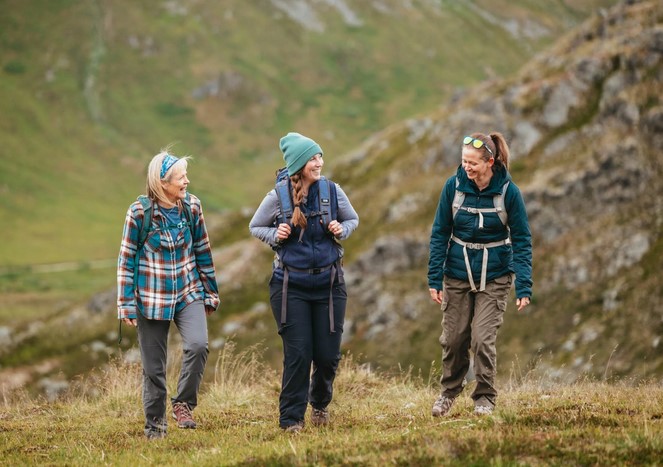
The storm rolled in faster than the topographic map predicted. At 4,200 meters in the Peruvian Andes, the air doesn’t just get thin; it gets heavy with the scent of impending snow. I was checking my GPS, feeling that familiar spike of “summit fever” anxiety, when my guide, a local Quechua man named Mateo, put a hand on my shoulder. He didn’t look at a screen; he looked at the way the llamas were huddling and the specific shade of grey against the southern ridge. “We stop here,” he said firmly. Two hours later, a whiteout buried the trail we would have been on.
In my 12 years of exploring the world’s most vertical landscapes, I’ve learned that the most expensive piece of gear in your pack isn’t your carbon-fiber poles or your satellite messenger—it’s the brain of a local expert. For many, trekking with guides feels like a “training wheels” version of adventure. But the reality? It is the ultimate “VIP pass” into the soul of a mountain.
If you’re a beginner looking to step off the paved paths or an intermediate hiker wanting to tackle high-altitude terrain, understanding how to leverage local expertise is the difference between a grueling slog and a transformative journey.
The Invisible Benefit of Trekking with Guides
Think of a solo trek like using a translation app in a foreign country—it gets the job done, but you miss the puns, the slang, and the poetry. Trekking with guides is like having the author of the book walk you through every chapter.
Beyond safety, local experts provide a “Cultural Compass.” They know which peaks are sacred, which herbs can soothe a blister, and which clouds mean “run for cover.” Technically, they act as your Human Risk Mitigation System, managing everything from pace-setting to emergency evacuation logistics before you even realize there’s a problem.
The “Micro-Pacing” Mastery
One technical insight I’ve gained from years of trekking is the “Guide’s Gait.” Most beginners start too fast, burning through their glycogen stores in the first two hours. A local guide uses a rhythmic, low-impact stride—often called step-syncing—that keeps your heart rate in the aerobic zone. This is why a 60-year-old Sherpa can outwalk a 25-year-old marathon runner at 5,000 meters.
Why Local Expertise Outperforms Digital Maps
While apps like AllTrails or Gaia GPS are fantastic tools, they are “static.” They can tell you where the trail should be, but they can’t tell you that a landslide closed the pass yesterday or that the local water source has dried up.
1. Real-Time Terrain Intelligence
When you are trekking with guides, you are paying for real-time data. In the Himalayas, the “trail” is a living thing. Glacial retreats and monsoon washouts change the topography weekly. A guide’s network of “trail whispers”—radio chats with other guides and tea-house owners—ensures you aren’t walking into a dead end.
2. High-Altitude Physiology Monitoring
Guides are trained to spot the subtle signs of AMS (Acute Mountain Sickness) long before you feel the headache. I’ve seen guides watch a hiker’s fingernails for cyanosis (a blue tint indicating low oxygen) or listen for changes in speech patterns. This “Passive Medical Surveillance” is a technical layer of safety that a solo hiker simply cannot replicate.
Global Regions Where Guides are Non-Negotiable
If you’re planning your next big “Guided Adventure,” these three regions offer the highest return on investment for local expertise.
-
The Salkantay & Inca Trails, Peru: Beyond the ruins, the Quechua guides provide a deep-dive into Andean Cosmovision. They explain the “Apis” (mountain spirits) in a way that turns a physical hike into a spiritual pilgrimage.
-
Mount Kilimanjaro, Tanzania: This is a logistical beast. Here, the guides manage a “Mobile Village.” The technical challenge isn’t the climb; it’s the Acclimatization Profile. A good guide will force you to go “Pole, Pole” (Slowly, Slowly) to ensure your blood chemistry adapts to the 5,895-meter summit.
-
The Karakoram, Pakistan: This is the frontier. Trekking here involves navigating shifting glaciers. Without a local Balti guide who understands the “crevasse patterns” of the ice, you are essentially gambling with your life.
Expert Advice: Tips and Hidden Warnings
After a decade on the trail, I’ve seen the good, the bad, and the “tourist traps.” Here is how to ensure your guided experience is authentic.
Tips Pro: The “Interview” Phase
Don’t just book the first agency you see on Instagram. Ask the lead guide about their WFR (Wilderness First Responder) certification. A true professional will be happy to discuss their emergency protocols, their pulse oximeter usage, and their evacuation insurance partners.
Hidden Warning: The “Ghost Agency”
There is a rising trend of “Ghost Agencies”—international platforms that take a 40% cut and hire the cheapest local labor possible.
-
The Red Flag: If the price is 50% lower than everyone else, the guides are likely being underpaid and under-equipped.
-
The Solution: Look for B-Corp certified operators or those who belong to the International Mountain Guides Federation (IFMGA). Ensure they provide fair wages and proper high-altitude gear for their porters and scouts.
The “Pack Weight” Myth
Many beginners feel “guilty” about having porters or guides carry communal gear. The Insight: In many mountain economies, this is the primary source of income for the village. Rather than feeling guilty, focus on being a “Responsible Employer.” Check that your porters have proper footwear and that their loads don’t exceed the legal limit (usually 20-25kg depending on the country).
Gear Up: Technical Essentials for Guided Treks
When trekking with guides, your personal gear list should focus on “The Layering System.” Since your guide handles the heavy logistics (tents, stoves, food), you can focus on technical precision:
-
Base Layers: Merino wool (150-200 gsm) for moisture wicking.
-
Mid-Layer: An “Active Insulation” jacket like a Polartec Alpha, which breathes while you move.
-
The “Guide’s Secret”: A small bag of electrolytes and high-fat snacks (like macadamia nuts). Even with provided meals, your metabolic rate at altitude will skyrocket, and having “quick fuel” prevents the dreaded “bonk.”
Summary: More Than Just a Path-Finder
A guide is not just someone who knows the way; they are the bridge between you and the wild. They turn a scary, alien environment into a classroom. By trekking with guides, you aren’t admitting weakness; you are practicing “Elite Preparation.”
The most profound moments I’ve had in the mountains didn’t happen while looking at a summit; they happened during the 4:00 PM tea in a rain-slicked tent, listening to a guide tell stories about their ancestors who walked these same ridges long before Gore-Tex existed.
Where is your “Dream Trail”? Is it the rugged peaks of Patagonia or the misty forests of Japan? If you’ve trekked with a guide before, what’s the one piece of advice they gave you that you’ll never forget? Let’s share some mountain wisdom in the comments!
