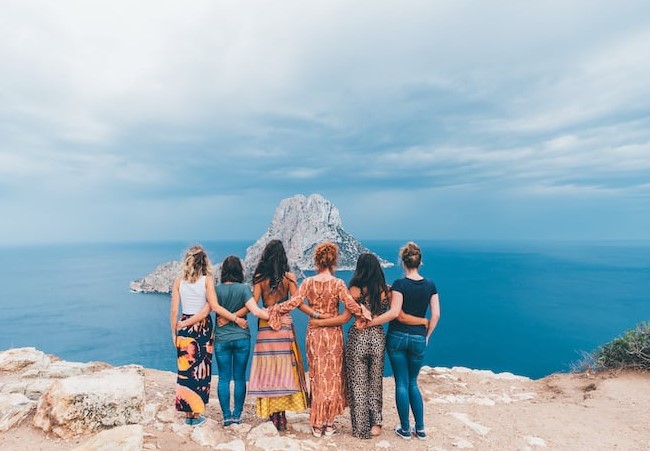
You sit at your office desk, staring at a calendar invite for a group trip that has been stuck in the “let’s plan this” WhatsApp group chat for six months. Someone can’t get time off work, another person hates the destination, and the budget debate is endless. According to industry travel data, over 60% of prospective travelers abandon their dream vacations simply because waiting for a travel partner stalls their plans indefinitely.
After a decade of solo journeys across seven continents, I’ve learned that waiting for company is the ultimate travel trap. Solo adventure retreats have evolved beyond simple backpacker trips; they are structured, immersive escapes designed to balance personal freedom, outdoor challenges, and deep psychological resets without sacrificing safety or comfort.
                    SOLO TRAVEL EVOLUTION MATRIX

   Traditional Independent Travel            Solo Adventure Retreats
┌──────────────────────────────┐          ┌───────────────────────────┐
│ • Exhausting logistics       │          │ • Handled transfers & gear│
│ • Isolation risks            │ ──────►  │ • Built-in community      │
│ • Unpredictable local access │          │ • Expert-led wilderness   │
│ • Safety anxiety             │          │ • Curated personal growth │
└──────────────────────────────┘          └───────────────────────────┘
Why Solo Adventure Retreats Outperform Solo Backpacking
Think of a solo adventure retreat like driving a sports car with a built-in GPS and a trained pit crew. You get the raw speed, freedom, and thrill of navigating the open road yourself, but you aren’t stuck repairing a flat tire on a deserted highway at midnight.
When you book solo adventure retreats, you eliminate the cognitive fatigue of daily travel planning—like hunting for safe transportation, vetting remote accommodation, or securing permits for protected wilderness trails.
Here is why curated solo retreats are transforming independent travel:
-
Elimination of the “Single Supplement” Penalty: Top-tier retreat operators partner directly with eco-lodges and outfitters to offer fair, single-occupancy pricing without hidden fees.
-
Instant Dynamic Community: You share experiences with like-minded individuals, giving you social connection during daytime treks while preserving private space for quiet evenings.
-
Access to Restricted Wilderness: Many high-altitude treks, marine reserves, and remote alpine corridors legally require licensed local guides and expedition permits that are nearly impossible for solo travelers to secure independently.
Top Destinations for Your First Solo Adventure Retreat
Over ten years of ground testing expeditions, three global destinations stand out as perfect training grounds for first-time and intermediate solo adventurers.
1. The Sacred Valley & Andes (Peru)
Navigating high-altitude trails like the Salkantay Trek or the Inca Trail can feel intimidating when traveling alone.
A structured retreat in Peru combines high-altitude trekking, Andean mountain biking, and traditional Quechua cultural immersion with professional oxygen-supported logistics, certified guides, and boutique mountain lodges.
-
Best For: High-altitude trekking, cultural heritage, and personal resilience building.
-
Key Highlight: Reaching the Sun Gate at Machu Picchu after days of challenging mountain passes alongside an encouraging group of fellow solo travelers.
2. The South Island Fjords & Alpine Trails (New Zealand)
New Zealand is arguably the world capital for safe, highly organized solo adventure travel.
Retreats here lean into outdoor endurance—combining sea kayaking through Milford Sound, heli-hiking over glaciers in Wanaka, and trail running along world-famous tracks. The country’s safety infrastructure and welcoming culture make it ideal for solo explorers looking to test their limits.
3. The Central Highlands & Cloud Forests (Costa Rica)
If tropical biodiversity, whitewater rafting, and ocean surf call your name, Costa Rica provides an ideal playground.
-
Best For: Multi-sport wilderness adventure paired with active wellness.
-
Key Highlights: Navigating Pacuare River class IV rapids, zip-lining through cloud forest canopies, and unwinding with sunset yoga at eco-lodges embedded in the rainforest.
| Destination | Primary Adventure Focus | Difficulty Tier | Logistics & Safety Index |
| Sacred Valley (Peru) | High-altitude mountain trekking | Intermediate–Advanced | High (Guided expeditions required) |
| South Island (New Zealand) | Alpine hiking, kayaking, glacier trekking | Beginner–Intermediate | Exceptional (World-class infrastructure) |
| Central Highlands (Costa Rica) | Rafting, rainforest treks, surf conditioning | Beginner–Intermediate | High (Established eco-tourism network) |
| Reykjanes & Highlands (Iceland) | Volcanic trekking, ice climbing, super-jeep tours | Intermediate | Exceptional (High safety, rugged terrain) |
Technical Elements: Safety, Gear, and Logistics
Embarking on a solo expedition requires a smart approach to safety and physical preparation. You don’t need to be an ultra-marathoner, but you must understand basic expedition logistics.
Safety Frameworks and Connectivity
Even when staying at curated solo adventure retreats, maintaining personal emergency protocols is non-negotiable.
-
Satellite Messengers: Devices like a Garmin inReach or ZOLEO allow you to ping 24/7 SOS rescue teams via satellite even when deep in dead-zone canyons.
-
Digital Identity Protection: Store encrypted copies of your passport, travel insurance policy, and medical records on cloud storage accessible offline via your phone.
-
Travel Insurance Coverage: Verify that your insurance plan explicitly covers high-altitude hiking (above 3,000 meters), open-water kayaking, and emergency medical evacuation.
Fitness Conditioning & Gear Optimization
Transitioning from a sedentary desk routine to five consecutive days of wilderness activity requires basic preparation:
-
Footwear Break-in: Never wear brand-new hiking boots on a retreat. Log at least 50 kilometers on your boots prior to departure to prevent debilitating friction blisters.
-
Layering Systems: Pack technical clothing built around three layers: a moisture-wicking base layer (merino wool), an insulating mid-layer (fleece or down), and a waterproof shell (Gore-Tex).
Pro Tips & Hidden Warnings: Lessons From a Decade on the Trail
After logging thousands of solo miles across remote corners of the world, I’ve collected crucial operational insights that go far beyond standard travel brochure advice.
Pro Tip: When choosing solo adventure retreats, inquire directly about the group dynamic and host-to-guest ratio. Look for a ratio of 1 guide per 6 guests. This guarantees personalized safety attention during technical trail sections while preventing the group from feeling like a crowded cattle-herd tour.
Hidden Pitfalls to Avoid:
-
The “Heroic Pace” Burnout: On day one of your retreat, energy and excitement run high. Resist the urge to push at maximum pace during the initial trek; save your strength for mid-week mileage when physical fatigue hits.
-
Beware Oversold “Wellness-Only” Retreats: Do not mistake a passive yoga and spa resort for a true adventure retreat. If you want outdoor challenge and terrain immersion, check daily itineraries for specific elevation gains, trail mileage, and required technical gear.
-
Ignoring Altitude Acclimatization: If your retreat takes place above 2,500 meters (like Quito, Cusco, or Bogota), schedule two quiet buffer days in your arrival city before the active retreat begins to allow your body time to produce extra red blood cells.
Step Into Your Own Journey
Waiting for the perfect travel partner means leaving your personal growth and adventure goals on hold indefinitely. Solo adventure retreats bridge the gap between complete independence and safe, organized outdoor exploration.
By stepping out of your comfort zone, relying on expert local outfitters, and trusting your own feet on the trail, you regain control over your vacation time. The wilderness is waiting—and you don’t need to wait for anyone else to see it.
Have you ever taken a solo trip abroad, or is a solo adventure retreat sitting at the top of your travel bucket list? Share your thoughts in the comments below, or drop your burning travel questions so I can help you pick the perfect destination for your first escape!
