Picture this: You step into an award-winning restaurant in a bustling global metropolis, order a $180 farm-to-table tasting menu, and wait in eager anticipation.
When your plate arrives, it features three micro-greens resting on a bed of heirloom radish purée. The waiter delivers a rehearsed monologue about “hyper-local seasonality,” but when you take a bite, it tastes… flat.
Ten minutes later, you realize you just paid a premium for imported produce that spent four days in a cold-storage container before being plated under ambient LED lights.
Over my past decade as a full-time travel writer, I have eaten my way across six continents. I’ve dined at Michelin-starred temples of gastronomy and sat on overturned plastic crates in rural village markets.
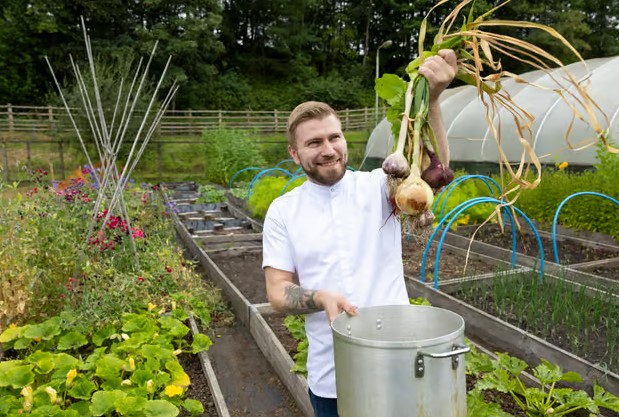
What I discovered is that true hyper-local dining isn’t something that can be replicated inside a sterile city kitchen. Deciding to book culinary farm-to-table tours isn’t about paying for fancy plating; it is about stepping directly onto the soil, tracing the food supply chain back to its origin, and tasting ingredients harvested at peak biological maturity.
Here is my field-tested operational guide to understanding, selecting, and getting the most out of harvest-centric culinary tours around the world.
The Agronomy of Flavor: Why True Farm-to-Table Tastes Different
To understand why a sun-warmed tomato picked straight off a vine in Tuscany tastes infinitely better than a supermarket equivalent, you have to look at brix levels (the measure of natural sugar content in produce) and terroir (how local soil, climate, and topography shape flavor profiles).
When commercial produce is grown for global export, it is bred for shelf-life, uniform shape, and transport durability—not flavor. It is often picked green and artificially ripened using ethylene gas.
Conversely, when you participate in culinary farm-to-table tours, you experience produce harvested at its absolute peak of sugar development and aromatic concentration.
[Commercial Global Supply] → Picked Unripe → Cold Storage / Transit → Lower Flavor / Low Brix
[Local Farm Tour Route]   → Harvested Peak → Immediate Preparation  → Optimal Terroir & High Brix
Think of a true farm-to-fork culinary tour like listening to live vinyl versus a compressed audio file:
-
The Compress File (Standard Restaurant Dining): Convenient and accessible, but flattens subtle nuances, dynamic range, and emotional depth.
-
The Live Vinyl (Agricultural Culinary Tour): Raw, unvarnished, and deeply tied to the exact soil, rainfall, and human hands that cultivated the harvest.
Decoding Tour Formats: Finding Your Culinary Pace
Not all harvest tours offer the same level of immersion. Choosing the wrong format can leave you either physically exhausted from farm labor or disappointed by a lack of authentic hands-on exposure.
| Tour Type | Physical Effort | Primary Focus | Best For | Potential Trade-Offs |
| Agriturismo Day Walks | Low | Tastings & Guided Field Walks | Beginners & Families | Short duration; limited hands-on cooking. |
| Hands-On Harvest & Cook | Medium | Foraging, Picking, & Kitchen Prep | Intermediate Foodies | Requires physical bending and outdoor wear. |
| Multi-Day Eco-Lodge Stay | Low to Medium | Total Lifestyle Immersion & Workshops | Slow Travelers | Higher price point; requires fixed travel dates. |
| Wild Foraging Expeditions | High | Bushcraft Identification & Botany | Adventurous Cooks | Weather-dependent; seasonal yield variations. |
The “50-Mile Radius” Benchmark
When evaluating any itinerary claiming to offer culinary farm-to-table tours, check their sourcing parameters.
A legitimate operator will strictly enforce a 50-mile sourcing radius for all non-staple ingredients. If a farm tour in Provence is serving Chilean avocados or imported sea bass, that is a red flag indicating marketing spin rather than genuine agritourism.
4 World-Class Harvest Destinations Tested and Reviewed
Having personally tracked seasonal harvests across multiple hemispheres, four specific regions stand out for their deep connection between land, culture, and culinary execution.
1. Tuscany & Umbria (Italy)
-
Seasonal Focus: Autumn Olive Harvests, Truffle Hunting, & Heirloom Sangiovese Grapes.
-
The Insight: Booking an Agriturismo stay during October allows you to accompany licensed tartufai (truffle hunters) and their trained dogs through damp oak forests, followed immediately by shaving fresh black truffles over handmade tagliolini.
2. Kyoto & Niigata Prefectures (Japan)
-
Seasonal Focus: Satoyama Foraging, Heirloom Kyo-yasai Vegetables, & Rice Harvests.
-
The Insight: Japanese farm tours operate under the principle of Shun (順)—eating ingredients at the precise peak of their 10-day seasonal micro-window. Participating in a bamboo shoot (takenoko) harvest in spring reveals subtle bitter notes lost within hours of harvesting.
3. The Central Valley & Sacred Valley (Costa Rica & Peru)
-
Seasonal Focus: Organic Permaculture, Native Potato Biodiversity, & Shade-Grown Cacao.
-
The Insight: In Peru’s Sacred Valley, culinary tours take you to high-altitude farming communities cultivating over 3,000 native potato varieties using ancient Incan terrace systems (Andenes), paired with traditional underground Pachamanca earth oven cooking.
4. The Willamette Valley (Oregon, USA)
-
Seasonal Focus: Wild Mushroom Foraging, Truffles, & Pinot Noir Harvests.
-
The Insight: Oregon’s moist coastal climate creates ideal conditions for wild chanterelles and morels. Guided culinary walks here teach you ecological harvesting protocols—such as cutting stems cleanly to preserve underground mycelial networks for future seasons.
Pro Advice: How to Maximize Your Harvest Tour
-
Align Your Travel Dates with Micro-Seasons: Do not simply book a trip for “summer.” Research exact harvest windows. For example, if you want to sample fresh extra virgin olive oil during its fiery green phase (olio nuovo), you must visit Mediterranean estates specifically between late October and mid-November.
-
Pack Practical Field Gear: Leave your luxury dining attire at your hotel. Bring sturdy, closed-toe trail shoes, breathably layered canvas clothing, and lightweight gardening gloves.
-
Ask About Soil Management Practices: Don’t hesitate to ask your host farmers whether they utilize regenerative agriculture, cover crops, or synthetic pesticides. A passionate organic farmer will proudly talk about their soil health for hours.
Hidden Pitfalls to Avoid
Warning: Beware of “Greenwashing” Market ToursMany urban tour operators buy wholesale produce from central distribution hubs, transport it to a rural barn setting, and label it as a “Rustic Farm Experience.” Always verify that the tour takes place on an active, working farm or permaculture site where guests can physically see crops growing in the ground.
Additionally, pay attention to food safety protocols during wild foraging tours. Never consume wild mushrooms, berries, or roots unless an experienced, certified botanical guide has individually inspected and cleared your harvested basket.
Final Thoughts & Foodie Community Discussion
Food is more than fuel; it is a living snapshot of geography, climate, and human heritage. Stepping out of polished city dining rooms and booking authentic culinary farm-to-table tours bridges the gap between what is on our plates and the earth that sustained it. It turns a simple meal into an unforgettable lesson in slow, conscious living.
How about you? Have you ever taken a cooking or harvest tour that completely changed your perspective on a simple ingredient? Or is there a regional harvest—like truffle hunting in Italy or tea picking in Japan—that tops your personal bucket list?
Share your thoughts, experiences, and recommendations in the comments below!
