For those fascinated by ancient civilizations, desert archaeological digs offer a unique window into the past. While many people think of deserts as barren, lifeless landscapes, they are, in fact, rich in history and often preserve the remains of long-lost cultures and forgotten civilizations. Desert environments, due to their arid conditions, have a remarkable ability to preserve artifacts, structures, and ancient sites that might have otherwise been lost to time. Whether it’s the vast Sahara, the Middle Eastern deserts, or the deserts of the American Southwest, these regions are treasure troves for archaeologists eager to unearth relics that tell the stories of our ancestors.
Participating in or learning about desert archaeological digs offers a rare chance to engage with history in an intimate, hands-on way. From unearthing ancient pottery and tools to discovering forgotten cities and tombs, these expeditions provide a direct link to the past. This article will explore some of the world’s most significant desert archaeological sites, the key discoveries made in these regions, and why desert digs continue to captivate archaeologists and history enthusiasts alike.
Why Desert Archaeological Digs are Essential for Understanding History
Deserts, often perceived as empty and desolate, actually house a wealth of information about the ancient world. Their dry conditions create an ideal environment for preservation. Ancient ruins, mummified remains, and everyday objects that would otherwise degrade over time remain preserved in these inhospitable landscapes. Additionally, deserts have long been crossroads for civilizations, where trade routes, religious pilgrimages, and migration paths intersected, making them rich in cultural artifacts.
1. Preservation in Harsh Environments
One of the most significant advantages of conducting archaeological digs in desert regions is the excellent preservation of materials. Unlike in more temperate climates, where organic materials like wood, textiles, and paper deteriorate due to moisture, deserts help preserve these items. For example, ancient Egyptian mummies, elaborate tombs, and papyri were all preserved by the desert’s arid environment. In the American Southwest, cliff dwellings and pottery can survive for centuries in the dry air, providing crucial insights into indigenous cultures that lived in these areas long ago.
2. Discovering Lost Civilizations
Many great civilizations have left behind remnants in desert regions that tell us about their rise and fall. The ancient Egyptians, the Nabateans, the Anasazi, and the Persians all thrived in desert environments, and their cultures are revealed through ongoing archaeological efforts. Desert archaeological digs frequently uncover forgotten cities, trade hubs, and burial sites that shed light on the lives of people who once inhabited these remote regions.
The most famous examples of desert civilization discoveries are the tombs and monuments of ancient Egypt. However, there are countless lesser-known sites, like the Petra ruins in Jordan, or the ancient city of Ubar in the Arabian Peninsula, that continue to surprise archaeologists with their complexity and cultural significance.
3. Unveiling Ancient Trade Routes and Cultural Interactions
Deserts have always been crossroads for cultural exchange and trade. Many desert regions were once part of vital trade routes, such as the Silk Road or the Incense Route, and served as meeting points between diverse cultures and empires. Desert archaeological digs often uncover items such as foreign pottery, textiles, and coins, revealing how these civilizations interacted and exchanged goods and ideas. This allows archaeologists to study not just the people who lived in the desert but also their connections to the wider world.
In the Sahara, for instance, ancient trade routes have been uncovered that show how the Berber peoples interacted with the Egyptians and other Mediterranean cultures. Similarly, digs in the Arabian Desert have yielded relics indicating the influence of both Persian and Greco-Roman cultures on Arabian society.
Notable Desert Archaeological Expeditions and Discoveries
The world’s deserts are home to some of the most significant archaeological digs that have revealed remarkable insights into ancient civilizations. Some of these digs have captivated historians and archaeologists alike, providing glimpses into the rich past of desert-dwelling cultures. Here are a few notable desert archaeological expeditions that have made groundbreaking discoveries:
1. Egypt’s Valley of the Kings
The Valley of the Kings in Egypt is perhaps the most famous desert archaeological site in the world. It served as the burial ground for many of Egypt’s pharaohs and high-ranking officials. This desert valley contains more than 60 tombs, including the tomb of the iconic King Tutankhamun, which was discovered by Howard Carter in 1922. Archaeologists continue to explore this area, and every year, new tombs and artifacts are uncovered, offering fresh insights into the burial practices, art, and culture of ancient Egypt.
One of the most exciting discoveries in recent years was the 2017 finding of a new tomb belonging to the ancient priest Nebnefer, which contained detailed murals and well-preserved burial items. These digs continue to draw scholars from around the world, as the Valley of the Kings remains one of the most prolific desert archaeological digs in history.
2. Petra, Jordan: The Rose City
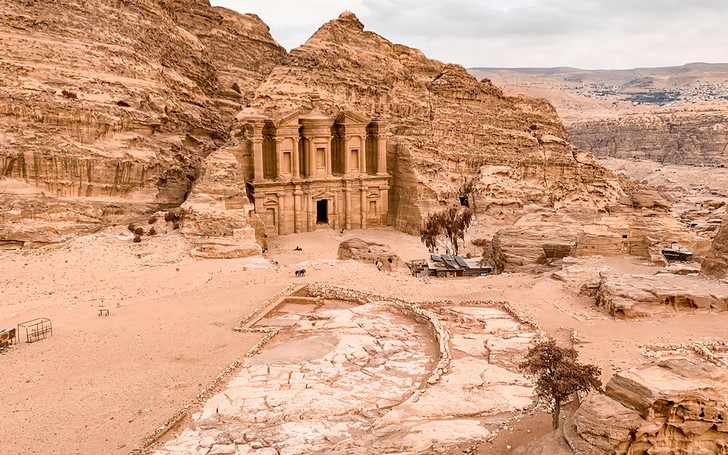
Petra, the ancient Nabatean city carved into the rose-red cliffs of Jordan, is another world-famous desert archaeological site. Petra, once a thriving trading city, was forgotten by the Western world for centuries before being rediscovered in the 19th century. Archaeologists and tourists alike are captivated by its intricately carved facades, tombs, and temples, all sculpted into the rock of the surrounding desert.
While much of Petra is open to the public, ongoing digs continue to uncover new sections of the city. Recent excavations in the area have revealed the existence of elaborate water systems, suggesting the Nabateans’ sophisticated engineering skills. Discoveries of pottery and inscriptions have provided a deeper understanding of the city’s culture and its role in ancient trade routes.
3. The American Southwest: Ancestral Puebloans
In the southwestern United States, desert archaeological digs have unearthed fascinating remnants of the Ancestral Puebloans, who lived in the desert regions of modern-day Arizona, New Mexico, Colorado, and Utah. The cliff dwellings in places like Mesa Verde and Chaco Canyon are some of the most iconic and well-preserved archaeological sites in the country. These locations offer a rare glimpse into the lives of indigenous peoples who thrived in the desert environment.
Excavations of ancient dwellings and artifacts such as pottery, tools, and jewelry continue to provide insight into the Ancestral Puebloans’ complex social structure and their ability to adapt to the harsh desert landscape. The discovery of ceremonial sites and astronomical alignments at Chaco Canyon, for instance, has deepened our understanding of the culture’s spiritual and scientific achievements.
4. The Sahara Desert: Lost Civilizations
The Sahara Desert, now a vast and inhospitable wasteland, was once home to thriving civilizations thousands of years ago. Recent desert archaeological digs in the region have uncovered evidence of ancient human settlements, rock art, and artifacts dating back to the Neolithic period. One significant discovery was made in 2015, when archaeologists found ancient tools and cave paintings in the Libyan desert, dating back over 12,000 years. These discoveries are critical for understanding how early humans adapted to desert life and the climatic changes that eventually transformed the Sahara into the arid desert it is today.
Additionally, the discovery of submerged ruins off the coast of the Sahara has raised questions about the region’s ancient coastal civilizations, which were lost to time as the desert expanded.
How to Get Involved in Desert Archaeological Digs
For those interested in participating in desert archaeological digs, there are opportunities for both professionals and amateurs to get involved. Archaeological field schools, volunteer programs, and internships are available for those who want to gain hands-on experience. These programs typically require participants to have a strong interest in history, archaeology, or anthropology, and may involve working under the guidance of professional archaeologists at ongoing excavation sites.
It’s important to research credible organizations and academic institutions that offer these opportunities. Many programs provide training in excavation techniques, artifact handling, and site preservation. Some of the most famous desert archaeological sites, like Petra and the Valley of the Kings, occasionally open up new digs to volunteers, providing a once-in-a-lifetime chance to work alongside experts in the field.
In conclusion, desert archaeological digs are an essential tool for uncovering the rich history of ancient civilizations that once flourished in arid landscapes. These digs offer a direct connection to the past, revealing cultural artifacts, architectural marvels, and evidence of human ingenuity in some of the harshest environments on Earth. From the tombs of Egypt’s pharaohs to the cliff dwellings of the American Southwest, the desert continues to reveal its secrets, offering insights into the ways ancient cultures adapted, survived, and thrived. Whether you are an aspiring archaeologist or a history enthusiast, participating in or following desert digs can offer a unique opportunity to discover the ancient world.
