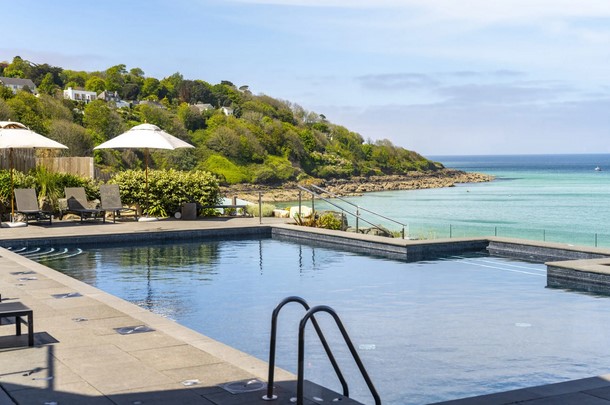
Coastal travel has evolved beyond large resorts and standardized accommodations, with travelers increasingly seeking personalized experiences that reflect the character of their destination. Along shorelines worldwide, smaller properties are redefining luxury through intimacy, design, and local connection. In this context, boutique coastal hotels have emerged as refined alternatives that blend seaside beauty with thoughtful hospitality. This article introduces the concept of boutique coastal stays and examines why they are becoming preferred choices for discerning travelers seeking both comfort and authenticity.
The Distinctive Appeal of Boutique Coastal Stays
Boutique coastal hotels distinguish themselves through scale and intention. Typically smaller than mainstream hotels, they focus on curated experiences rather than volume. This allows for greater attention to detail, from interior design to guest services, creating environments that feel personal rather than transactional.
Location plays a central role in their appeal. Many boutique properties occupy historic buildings, cliffside settings, or restored seaside homes that offer unobstructed ocean views. Their placement often emphasizes harmony with the surrounding landscape, allowing guests to feel immersed in the coastal environment rather than separated from it.
Service is another defining characteristic. Staff members are often deeply familiar with the region, offering tailored recommendations for dining, excursions, and cultural experiences. This local knowledge transforms a stay into a gateway for exploration, helping guests discover aspects of the destination that may not appear in guidebooks.
From an experiential standpoint, boutique coastal accommodations encourage slower travel. Without the crowds and rigid schedules associated with large resorts, guests can enjoy unstructured time—watching the tide change, walking along the shore, or simply relaxing in thoughtfully designed spaces.
Design Philosophy and Guest Experience
Design is at the heart of boutique hospitality, particularly in coastal settings where aesthetics are closely tied to nature. Architects and designers prioritize light, texture, and flow to create spaces that reflect the rhythm of the sea.
Blending Architecture, Comfort, and Coastal Identity
Natural materials such as wood, stone, and linen are commonly used to echo the surrounding environment. Color palettes often draw inspiration from the coast, incorporating soft blues, sandy neutrals, and organic tones. Large windows, terraces, and open layouts maximize natural light and ocean views, reinforcing the connection between indoors and outdoors.
Comfort is carefully balanced with simplicity. Rooms are designed to feel inviting rather than excessive, with high-quality furnishings and amenities that enhance relaxation. Many boutique coastal hotels emphasize wellness, offering features such as spa treatments, yoga spaces, or private outdoor soaking areas that take advantage of the calming seaside atmosphere.
Dining experiences further reinforce a sense of place. Menus often highlight regional ingredients, seasonal seafood, and locally inspired cuisine. Smaller dining venues allow for creativity and quality control, while also supporting local producers and fisheries. For guests, meals become an extension of cultural exploration rather than a generic service.
Sustainability and the Future of Coastal Hospitality
As awareness of environmental impact grows, boutique coastal properties are increasingly positioned at the forefront of sustainable tourism. Their size and flexibility make it easier to adopt responsible practices that protect fragile coastal ecosystems.
Many properties implement energy-efficient systems, reduce single-use materials, and prioritize water conservation. Some collaborate with conservation organizations or participate in shoreline preservation efforts, aligning business success with environmental stewardship. These initiatives resonate with travelers who value responsible choices without sacrificing comfort.
Community engagement is another key factor shaping the future of boutique coastal hospitality. By sourcing locally, employing residents, and promoting regional culture, these hotels contribute to economic resilience. Guests benefit from more authentic experiences, while destinations retain their identity rather than being overshadowed by mass tourism.
Technology also supports sustainability and personalization. Digital concierge services, smart energy controls, and streamlined booking systems enhance efficiency while improving guest satisfaction. At the same time, many boutique properties intentionally limit digital distractions, encouraging guests to reconnect with their surroundings.
In conclusion, coastal travel is increasingly defined by quality, character, and connection rather than scale. Smaller, thoughtfully designed accommodations offer travelers a chance to experience the sea in a more meaningful way. When chosen with care, boutique coastal hotels provide elegant retreats that celebrate place, support sustainability, and deliver memorable stays shaped by the timeless allure of the shoreline.
