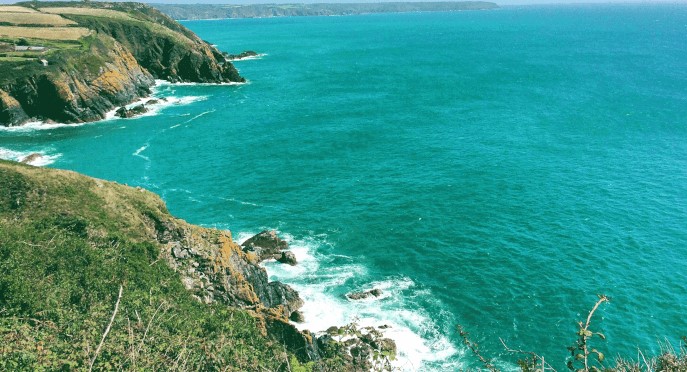
For travelers seeking adventure, solitude, and stunning natural beauty, secret coastal treks offer an extraordinary way to experience the world’s shorelines. Unlike crowded tourist beaches or popular coastal trails, these hidden paths lead to secluded coves, dramatic cliffs, and pristine beaches that remain largely untouched by mainstream tourism. Secret coastal treks allow hikers to immerse themselves in coastal ecosystems, witness diverse wildlife, and engage with local culture while enjoying a physically rewarding and mentally refreshing journey. These trails provide a rare opportunity to combine exploration, relaxation, and education in some of the planet’s most remarkable coastal landscapes.
Understanding the Allure of Coastal Trekking
Coastal trekking differs from traditional inland hiking due to the unique interplay of land, sea, and weather. Trails along cliffs, beaches, and estuaries constantly change with tides, wind, and erosion, creating an ever-evolving landscape that demands adaptability and attentiveness. Hikers on secret coastal treks are rewarded with breathtaking vistas, hidden lagoons, and rock formations sculpted by centuries of natural forces.
One of the key appeals of coastal trekking is the combination of physical challenge and sensory engagement. Traversing rugged cliffs, sandy dunes, and dense coastal vegetation offers a full-body workout, while the sounds of waves crashing, seabirds calling, and salt-laden winds create a meditative atmosphere. Many of these secret trails intersect with less-visited villages, allowing hikers to encounter local culture, taste regional seafood dishes, and observe traditional fishing practices, adding a layer of cultural immersion to the experience.
The solitude found on these hidden paths is another significant draw. Unlike crowded national parks or popular coastal routes, secret coastal treks provide a rare chance to experience nature in its purest form. This quietness allows hikers to reflect, reconnect with the natural world, and fully appreciate the subtleties of coastal ecosystems, from tide pools teeming with life to flowering cliffside vegetation.
Planning and Preparing for Secret Coastal Treks
While secret coastal treks offer unique rewards, careful preparation is essential for safety, enjoyment, and environmental stewardship. One of the first steps is detailed research. Many hidden trails are not widely publicized, requiring maps, guidebooks, or local guidance to navigate safely. Understanding trail length, difficulty, and seasonal accessibility ensures hikers are adequately prepared for varying conditions.
Tide schedules are critical when planning coastal treks. Certain sections of trails may become impassable during high tide, especially beaches, estuaries, and rocky inlets. Hikers should plan excursions during low tide windows and carry necessary equipment for safe passage. Weather conditions must also be considered, as coastal areas can experience sudden changes in wind, rain, or fog. Proper clothing layers, waterproof gear, and sturdy footwear are essential for comfort and safety.
Hikers should also consider accommodation and provisions. Many secret coastal treks pass through remote areas with limited infrastructure, so carrying sufficient water, food, and first-aid supplies is important. For multi-day treks, lightweight tents or arrangements in small coastal lodges or guesthouses can provide rest while maintaining minimal environmental impact. Practicing Leave No Trace principles ensures that these fragile environments remain pristine for future visitors.
Enhancing the Trekking Experience
To maximize the experience of secret coastal treks, hikers should engage actively with both the environment and local communities. Observing tide pools, identifying native plants, or watching for seabirds adds an educational dimension, while photography or sketching captures the beauty and uniqueness of the coastal terrain. Kayaking, snorkeling, or swimming can complement the trek, providing additional ways to explore hidden coves and marine ecosystems.
Cultural engagement further enriches the experience. Visiting nearby fishing villages, participating in traditional cooking classes, or learning about local conservation efforts offers insight into how coastal communities interact with their environment. Sustainable practices, such as avoiding single-use plastics, respecting wildlife, and remaining on designated paths, help protect these delicate ecosystems while enhancing the sense of mindful exploration.
Global Destinations for Secret Coastal Treks
Across the globe, hikers can discover hidden coastal trails that combine natural beauty, cultural richness, and adventure. In Europe, lesser-known paths along Portugal’s Algarve coast and the Cinque Terre’s secluded routes in Italy provide dramatic cliffside scenery and quiet beaches away from crowds. In North America, Oregon’s rugged coastline and Maine’s remote shorelines offer trails that wind through forests, cliffs, and tidal zones, perfect for nature-focused treks.
In Southeast Asia, the Philippines’ Palawan island and Indonesia’s Bali and Lombok regions offer tropical coastal treks where jungle meets the sea. Oceania’s New Zealand Abel Tasman Coast Track and Tasmania’s Bay of Fires showcase pristine beaches and forested trails with minimal human interference. Africa’s Garden Route in South Africa provides both rugged cliffs and hidden coves, merging coastal trekking with local cultural experiences.
Each destination provides unique landscapes, biodiversity, and cultural encounters, making secret coastal treks a versatile choice for adventure travelers who value solitude, discovery, and sustainability.
In conclusion, secret coastal treks provide a transformative way to explore the world’s hidden shorelines, combining physical challenge, scenic beauty, and cultural immersion. By carefully planning, respecting the environment, and engaging with local communities, hikers can uncover secluded beaches, dramatic cliffs, and vibrant marine ecosystems that remain largely untouched by mainstream tourism. These hidden paths offer an experience that is both rewarding and memorable, inviting travelers to discover the coast in its most authentic and inspiring form.
