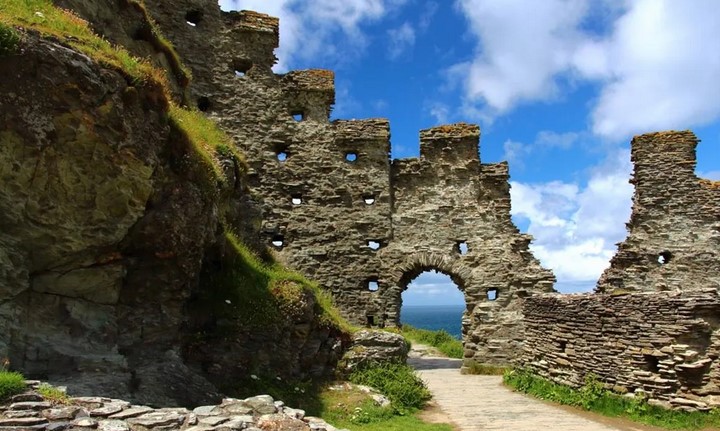
From imposing stone walls perched atop rugged cliffs to sprawling citadels guarding historic trade routes, ancient fortress visits provide travelers with a tangible connection to the military, political, and architectural heritage of past civilizations. These fortifications, built for defense and strategic dominance, reveal stories of empires, sieges, and cultural evolution while offering visitors stunning views and immersive experiences. Whether exploring medieval castles in Europe, desert fortresses in the Middle East, or mountain strongholds in Asia, fortress visits combine historical education with adventure, allowing modern travelers to witness the enduring legacy of human ingenuity and resilience.
The Historical Significance of Ancient Fortresses
Fortresses have long served as more than mere military installations; they were centers of governance, trade, and culture. Their strategic locations—on hills, riverbanks, or coastal cliffs—allowed rulers to monitor surrounding territories and protect populations from invasions. Understanding the historical context of these fortifications enriches the visitor experience.
For instance, the Alhambra in Granada, Spain, demonstrates how Islamic architectural elegance merged with defensive design. Its palaces, gardens, and battlements reveal the sophistication of Nasrid dynasty engineering while showcasing artistic expression. In India, the Amber Fort combines military function with ceremonial architecture, reflecting the dual role of fortresses as both protective and political centers.
In Europe, the Krak des Chevaliers stands as a testament to medieval military strategy, illustrating advanced defensive layouts including concentric walls, moats, and strategically placed towers. Meanwhile, in East Asia, the Himeji Castle combines aesthetic grace with defensive innovations, blending multiple layers of fortifications with elegant design.
Ancient fortresses also reflect the evolution of warfare, technology, and diplomacy. Cannons, drawbridges, arrow slits, and fortified gates highlight the adaptation of design to emerging threats. Studying these features offers insight into historical engineering and military strategy.
Experiencing Ancient Fortress Visits
Visiting a historic fortress involves more than viewing stone walls and towers; it is a multidimensional experience that engages the senses and imagination.
Architecture, Layout, and Cultural Insights
One of the first elements that visitors notice is the architectural ingenuity embedded in fortress design. Defensive features such as battlements, parapets, and arrow loops were carefully calculated for optimal protection. Strategic layout considerations, including concentric walls, watchtowers, and hidden passageways, reveal how architects anticipated potential attacks and movement patterns.
Fortresses were often self-contained communities. Within their walls, travelers may encounter temples, residential quarters, granaries, and armories, illustrating how inhabitants balanced security with daily life. Audio guides, informational plaques, and guided tours provide historical context, explaining the significance of each structure and its role in broader historical events.
The surrounding landscape further enhances the experience. Many fortresses occupy elevated terrain, offering panoramic views that underscore their strategic positioning. Visitors can visualize how defenders would have monitored approaching forces, while understanding how geography shaped regional politics and trade.
Interactive activities, increasingly offered at major sites, elevate engagement. Some fortresses host reenactments of historic battles, archery workshops, or traditional crafts demonstrations. These experiences immerse visitors in the past, making history tangible and memorable.
Accessibility considerations are essential. Many fortresses have preserved rugged terrain and staircases, which require physical readiness. Efforts such as elevators, ramps, and virtual tours are expanding accessibility, allowing broader audiences to enjoy these sites.
Preservation, Tourism, and Innovation
The sustainability of fortress sites relies on careful preservation and responsible tourism. Ancient stone walls, wooden structures, and frescoes are vulnerable to erosion, weathering, and human impact. Conservation programs focus on structural reinforcement, environmental management, and historical accuracy.
Tourism management strategies aim to balance visitor access with site protection. Limiting group sizes, scheduling guided tours, and providing educational programming minimize wear while enhancing engagement. Partnerships with universities and cultural institutions often support ongoing archaeological research and restoration.
Innovative approaches are enhancing fortress experiences. Augmented reality applications allow visitors to view reconstructions of original fortifications, visualize historical events, and explore hidden architectural features. Interactive mobile apps provide guided tours in multiple languages, ensuring educational accessibility for international travelers.
A new concept emerging in heritage tourism is the “Fortress Immersion Program.” Participants would not only tour the fortress but also engage in multi-day educational residencies, learning about historical engineering, medieval life, and strategic defense planning. Activities could include workshops on traditional masonry, map-reading, and fortress logistics, combined with evening lectures on historical conflicts and architectural techniques. This immersive approach transforms the visit from observation to active participation, creating a deeper connection to history.
Educational and Cultural Impact
Ancient fortress visits offer profound educational value. They provide insights into architectural design, military strategy, and socio-political structures of past civilizations. Students, history enthusiasts, and casual travelers alike gain perspectives on how communities organized themselves, defended their territories, and expressed power through monumental construction.
Cultural engagement is another key benefit. Fortresses often house museums, galleries, or performance spaces showcasing local art, music, and culinary traditions. Visitors gain a broader understanding of regional culture and heritage, reinforcing the interconnectedness of architecture, daily life, and cultural identity.
The experience fosters reflection on resilience and ingenuity. Visitors witness how historical communities adapted to challenges, engineered solutions, and maintained societal structures under constant threat. These lessons remain relevant today, offering inspiration for problem-solving and creativity.
Exploring ancient fortresses combines history, architecture, and immersive learning into a single compelling experience. From medieval European castles to desert citadels and mountain strongholds, these sites provide a window into the ingenuity, culture, and resilience of past civilizations. Thoughtfully preserved and enhanced through interactive programs and innovative technologies, fortress visits engage visitors while protecting heritage for future generations. For travelers seeking both education and adventure, ancient fortress visits offer unparalleled opportunities to walk through history, understand the legacy of human defense and creativity, and appreciate the enduring power of monumental architecture.
