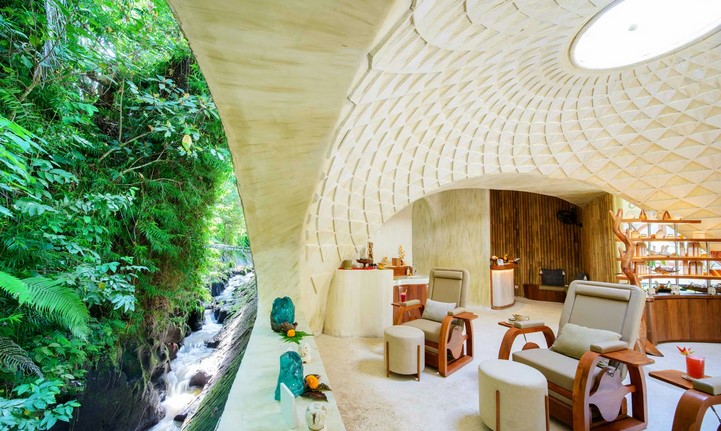
In a fast-paced global environment where stress and digital overload are constant companions, travelers are increasingly turning to luxury spa retreats as sanctuaries for holistic restoration. These high-end wellness destinations combine therapeutic treatments, serene natural settings, and personalized health programs to create immersive experiences that go far beyond traditional vacations. From alpine hideaways and tropical beachfront sanctuaries to desert oases and forest enclaves, luxury spa retreats are redefining modern indulgence by aligning comfort with comprehensive well-being. As wellness tourism continues to expand, these retreats stand at the forefront of a movement that prioritizes balance, mindfulness, and transformative renewal.
The Evolution of Global Wellness Travel
The concept of spa culture dates back centuries, rooted in ancient bathing traditions and healing rituals practiced across civilizations. Roman bathhouses, Asian herbal therapies, and Middle Eastern hammams laid the foundation for contemporary wellness hospitality. Over time, these practices evolved into structured spa facilities within hotels and resorts.
Today’s luxury spa retreats represent a significant advancement in this tradition. They integrate medical research, nutritional science, and holistic therapies into curated programs tailored to individual needs. Rather than offering isolated treatments, modern retreats provide comprehensive wellness journeys that address physical, mental, and emotional health.
Destinations around the world have embraced this evolution. In Switzerland, the alpine resort town of St. Moritz is renowned for high-altitude wellness experiences that combine thermal therapies with mountain air rejuvenation. In Southeast Asia, the island of Bali has become synonymous with holistic retreats rooted in spiritual tradition and natural healing. Meanwhile, the desert landscapes of Sedona attract visitors seeking energy-based therapies and mindfulness programs.
These global examples illustrate how geography influences wellness philosophy. Climate, natural resources, and cultural heritage shape the treatments offered, creating distinctive experiences that reflect regional identity.
Designing the Ultimate Spa Retreat Experience
A defining characteristic of luxury spa retreats is their meticulous attention to design and environment. Every architectural and operational element is crafted to support relaxation and healing.
Integrating Nature, Architecture, and Therapy
Location plays a crucial role in the effectiveness of a wellness retreat. Many properties are situated in tranquil natural settings—mountains, coastlines, forests, or deserts—where ambient sounds and scenic vistas contribute to psychological calm. Architectural design often emphasizes open spaces, natural light, and sustainable materials such as stone, wood, and glass.
Interior spaces are carefully curated to foster serenity. Neutral color palettes, water features, and aromatherapy-infused environments create sensory harmony. Treatment rooms are soundproofed and temperature-controlled, ensuring optimal comfort.
Therapeutic offerings extend well beyond massages and facials. Guests may participate in hydrotherapy circuits, cryotherapy sessions, detoxification programs, and guided meditation workshops. Nutritional consultations and personalized fitness plans complement spa treatments, promoting holistic balance.
Many retreats integrate advanced medical technologies. Diagnostic assessments, body composition analysis, and stress monitoring tools enable practitioners to design evidence-based wellness programs. This blend of tradition and innovation enhances both safety and effectiveness.
Privacy is another hallmark of high-end spa environments. Private villas, secluded treatment suites, and individualized scheduling ensure that guests can rejuvenate without interruption. The emphasis on discretion appeals particularly to executives, public figures, and individuals seeking undisturbed reflection.
Cultural Influences on Spa Rituals
Luxury spa retreats draw inspiration from diverse cultural healing traditions. In Japan, onsen bathing rituals emphasize mineral-rich waters and contemplative silence. In India, Ayurvedic therapies incorporate herbal oils and personalized dietary guidance rooted in ancient medical philosophy. Scandinavian wellness practices focus on thermal contrast experiences, alternating between saunas and cold plunges to stimulate circulation.
These culturally embedded treatments provide authenticity and educational value. Guests gain insight into the historical and philosophical foundations of each therapy, deepening appreciation for global wellness heritage.
Moreover, culinary programming often aligns with regional health traditions. Farm-to-table menus emphasize organic produce, seasonal ingredients, and balanced nutrition. Detox juices, herbal infusions, and plant-based cuisine frequently feature prominently, supporting the overall wellness agenda.
Workshops and seminars further enrich the experience. Topics may include stress management, mindfulness techniques, sleep optimization, and sustainable lifestyle habits. By equipping guests with practical knowledge, retreats aim to extend benefits beyond the duration of the stay.
Sustainability and Responsible Indulgence
As environmental awareness increases, luxury spa retreats are adopting sustainable practices to minimize ecological impact. Renewable energy systems, water recycling initiatives, and eco-friendly construction materials are becoming industry standards.
Organic product lines, cruelty-free skincare formulations, and locally sourced ingredients reduce environmental footprints while supporting regional economies. Some retreats partner with conservation organizations, integrating educational sessions on biodiversity and environmental stewardship.
This commitment to responsible indulgence reflects a broader shift in consumer expectations. Guests increasingly seek wellness experiences that align with ethical values, reinforcing the notion that luxury and sustainability can coexist.
A New Concept: Immersive Bio-Responsive Wellness Retreats
An emerging innovation in the spa industry is the concept of bio-responsive wellness retreats. These programs would utilize wearable technology and biometric monitoring to tailor daily activities in real time.
Upon arrival, guests would undergo comprehensive assessments measuring stress levels, sleep quality, hydration, and metabolic indicators. Data collected throughout the stay would inform personalized schedules, adjusting treatments, exercise routines, and nutritional plans dynamically.
For example, if stress markers remain elevated, additional mindfulness sessions or hydrotherapy treatments could be recommended. If sleep patterns improve, evening programming might shift toward light movement or restorative yoga.
This data-driven approach enhances personalization while maintaining the tranquil ambiance of traditional spa environments. Integrated digital dashboards would provide guests with progress insights, empowering them to continue wellness practices at home.
In an era defined by constant connectivity and increasing demands, the pursuit of restorative travel has never been more relevant. By combining therapeutic expertise, serene environments, and personalized programming, luxury spa retreats offer transformative experiences that nurture body and mind alike. From culturally inspired rituals to cutting-edge bio-responsive innovations, these destinations continue to redefine modern indulgence. As wellness tourism evolves, luxury spa retreats remain at the forefront—providing discerning travelers with meaningful opportunities to pause, reflect, and renew in some of the world’s most inspiring settings.
