The humidity is so thick you can almost chew it. Your shirt is plastered to your back, and every time the 4×4 hits a rut in the mud, you wonder if this was a mistake. Then, the guide kills the engine. In the sudden, ringing silence of the Indian teak forest, you hear it—a low, rhythmic “sawing” sound. It’s a Bengal tiger, hidden just ten feet away in the elephant grass, its presence felt long before it’s seen.
I’ve spent over a decade tracking apex predators through the rainforests of Borneo and the riverine woods of South Asia. I can tell you from experience: wildlife jungle safaris are not a “zoo on wheels.” They are unpredictable, gritty, and occasionally frustrating. But when that golden eye meets yours through the foliage, every bug bite and early wake-up call becomes a badge of honor.
The Technical Reality of Wildlife Jungle Safaris
For the uninitiated, a jungle safari is vastly different from the wide-open plains of an African savannah. In the savannah, you have “Line of Sight” for miles. In the jungle, you are dealing with High Canopy Density and multi-layered vegetation.
Think of a jungle safari like trying to find a specific person in a crowded, multi-story nightclub where the lights are dim and everyone is wearing camouflage. You aren’t just looking for an animal; you are looking for “disruptions” in the pattern—the twitch of an ear, the horizontal line of a back amidst vertical trees, or the alarm call of a Langur monkey.
Understanding the “Zone” System
Most national parks offering wildlife jungle safaris operate on a “Zone” system to manage carrying capacity. This is a technical way of saying they limit the number of vehicles in specific areas to prevent stressing the animals.
When I book a trip, I don’t just look for the most popular zone. Often, the “buffer zones” offer better sightings because the animals aren’t being tracked by twenty different jeeps. If you want a raw, authentic experience, look for parks that prioritize low vehicle-to-acreage ratios.
Top Destinations for a Deep-Dive Jungle Adventure
If you are a beginner or intermediate traveler looking to level up your wildlife game, these three destinations offer the best balance of infrastructure and “wild” factor.
1. India: The Land of the Tiger
Parks like Kanha, Bandhavgarh, and Ranthambore are the gold standard for wildlife jungle safaris.
-
The Tech: India uses a sophisticated network of “Trackers” and “Mahouts.”
-
The Insight: I’ve learned that the best sightings happen near “Saucers”—man-made or natural water holes. During the pre-monsoon heat (April–May), predators are tethered to these water sources. It’s hot for humans, but it’s a goldmine for photographers.
2. Borneo: The Riverine Rainforest
In Kinabatangan, the safari isn’t in a jeep; it’s in a small boat. This is “Riparian” tracking.
-
The Advantage: You cover more ground with less noise.
-
The Highlight: Seeing Pygmy Elephants swimming across the river is a sight that rivals any African migration. Because you are on water, the animals perceive you as less of a threat, allowing for much closer (and safer) encounters.
3. Brazil: The Pantanal Wetlands
While technically a mix of marsh and jungle, the Pantanal is the best place on Earth to see jaguars.
-
LSI Context: This is an “Alluvial Plain” ecosystem.
-
Personal Note: I once spent four days seeing nothing but caimans, only to have a jaguar emerge and hunt a capybara right in front of our boat on day five. Patience is the technical requirement here.
The “Friction” of the Jungle: Managing Expectations
A common problem for beginners is “High-Target Fatigue.” You spend six hours in a jeep and don’t see a tiger, so you feel the trip was a failure. To enjoy wildlife jungle safaris, you must change your lens.
The “Micro-Safari” Analogy:
Think of the jungle like a complex tapestry. If you only look for the big, bright threads (tigers, leopards), you miss the intricate patterns. Focus on the “Lesser Knowns”—the Giant Squirrels, the Hornbills with their prehistoric calls, and the architectural brilliance of termite mounds. When you appreciate the small stuff, the big sightings feel like a bonus, not a requirement.
Essential Gear for the Green Corridor
After 10 years of ruined equipment and soggy boots, here is my non-negotiable kit list:
-
Fixed-Lens Binoculars (8×42): Don’t rely on your camera zoom to “see.” High-quality glass with a wide exit pupil is essential for the low-light conditions of the jungle floor.
-
Leech Socks: If you are doing a walking safari in Borneo or Madagascar, these aren’t optional. They are a physical barrier against “questing” leeches.
-
Deet-Free Repellent: Many jungle ecosystems are sensitive to harsh chemicals. Look for Picaridin-based sprays which won’t melt the plastic on your camera gear (yes, DEET does that).
-
Neutral Tones: Avoid “Optic White.” It acts as a beacon to wildlife. Stick to “Earth Drab”—colors that mimic the leaf litter.
Expert Advice: Tips Pro & Hidden Warnings
Tips Pro: The “Ear” Over the “Eye”
Most rookies keep their eyes glued to the bushes. Use your ears. A jungle is a constant broadcast of information. Learn the “Alarm Call” of the deer or birds in the area. When a squirrel starts barking incessantly, it’s not just being loud—it’s pointing directly at a predator. Ask your guide to explain the different calls; it turns the forest into a narrated story.
The “Night Safari” Trap
Many parks offer night drives. While exciting, be wary of operators using high-intensity white spotlights. This can “flash-blind” nocturnal animals, making them vulnerable to predators or causing them to crash into trees. Only support operators who use Red-Filtered lights, which do not disrupt the animal’s rhodopsin levels (their night vision).
The Ethics of the Encounter
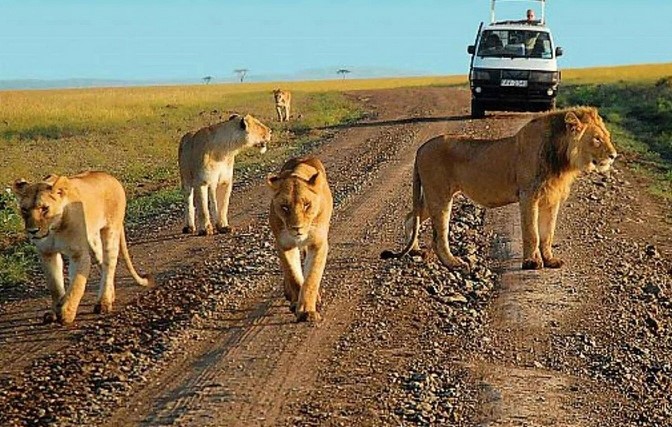
We have to talk about Habituation. This is the process where animals lose their fear of humans. While it makes for “easy” photos, it’s dangerous for the animal’s long-term survival.
If your driver is revving the engine to make a lion stand up, or throwing food to “bait” a bear, you are witnessing unethical tourism. As a traveler, you have the power to say, “Please back up, let’s give the animal space.” Your tip should be based on the guide’s knowledge and respect for the wild, not just the number of “Big Cats” you saw.
Why We Go Back to the Jungle
There is a specific kind of silence found in the deep woods that you can’t find anywhere else. It’s a silence that is actually humming with life. Wildlife jungle safaris remind us that we are part of a much older, much more complex system.
When you strip away the Wi-Fi and the city noise, and you’re left with just the smell of damp earth and the distant roar of a predator, you find a version of yourself that is more alert, more present, and more alive.
What’s the most “unexpected” animal you’ve ever encountered on a trip—the one that wasn’t on your list but stole the show? Let’s swap safari stories in the comments below!
