The house lights dimmed to a warm, amber glow, and a collective hush fell over the 2,000-seat auditorium of Milan’s Teatro alla Scala. I adjusted the collar of my tuxedo, feeling a bit like an imposter among the elegant locals, until the conductor raised his baton. The first explosive chord of Verdi’s Aida reverberated not just through the room, but straight through my chest. In that exact second, the centuries-old gold leaf on the walls and the massive crystal chandelier above didn’t feel like a stuffy museum—they felt alive.
For many travelers, attending an opera abroad sounds incredibly intimidating. We imagine an elite club with unwritten dress codes, five-hour runtimes, and lyrics sung in languages we don’t speak. However, after a decade of navigating global theaters, I can tell you that ignoring opera means missing out on the ultimate emotional time machine.
Experiencing cultural opera nights is the most immersive way to understand the historical heartbeat of a destination. This deep-dive guide is designed for beginners and intermediate theater-goers ready to demystify the grand tradition and book their first world-class performance.
Why Cultural Opera Nights Are More Than Just Music
When you attend a performance abroad, you aren’t just buying a ticket to a musical show. You are participating in a living ritual that has shaped global politics, architecture, and societal norms for over four hundred years.
The Ultimate Intersection of the Arts
Think of opera as the decathlon of human creativity. It is a massive jigsaw puzzle where set design, costume creation, orchestral masterworks, literary drama, and unamplified vocal athletics all slam together simultaneously.
When you sit in a historic opera house, you are witnessing singers who have trained for decades to project their voices over a 100-piece orchestra without using a single microphone. The acoustic engineering required to make a human whisper audible in the back row of a gallery is a mind-boggling technical achievement.
A Mirror of Local History
Every grand opera house tells the story of its city’s triumphs and tragedies. For example, when you attend a performance at the Vienna State Opera, you are standing in a building that was completely gutted by Allied bombings in 1945.
The locals chose to rebuild the theater before reconstructing basic civic infrastructure because opera was the core identity of the Viennese spirit. Experiencing an opera there connects you directly to that resilience.
Navigating Global Opera Traditions: From Euro-Centric to Eastern Epics
Opera is not a monolith. Depending on where your travels take you, cultural opera nights abroad will offer wildly different auditory and visual landscapes.
+------------------+----------------------------------+---------------------------------------+
| Opera Tradition  | Key Technical Element            | Iconic Global Venue                   |
+------------------+----------------------------------+---------------------------------------+
| Italian Bel Canto| Focus on vocal agility & melody  | Teatro alla Scala (Milan, Italy)      |
| German Romantic  | Massive orchestras & mythology   | Bayreuth Festspielhaus (Germany)      |
| Peking Opera     | Acrobatics, stylized makeup, mime| National Centre for the Performing Arts|
+------------------+----------------------------------+---------------------------------------+
The European Giants: Bel Canto and Leitmotifs
If you head to the historic capitals of Europe, you will encounter the foundational pillars of Western opera.
-
Italian Opera: This tradition is built on bel canto (literally meaning “beautiful singing”). The focus here is on flawless vocal technique, sweeping emotional melodies, and intense human drama. Think of passionate love stories, betrayal, and high-stakes political intrigue written by composers like Puccini, Verdi, and Rossini.
-
German Opera: If Italian opera is driven by raw human emotion, German opera is driven by grand philosophy and complex orchestration. Composers like Richard Wagner pioneered the use of the leitmotif—a recurring musical theme associated with a specific character, object, or idea. It is the exact same technique Hollywood composers use today for franchises like Star Wars or The Lord of the Rings.
The Splendor of the East: Peking Opera
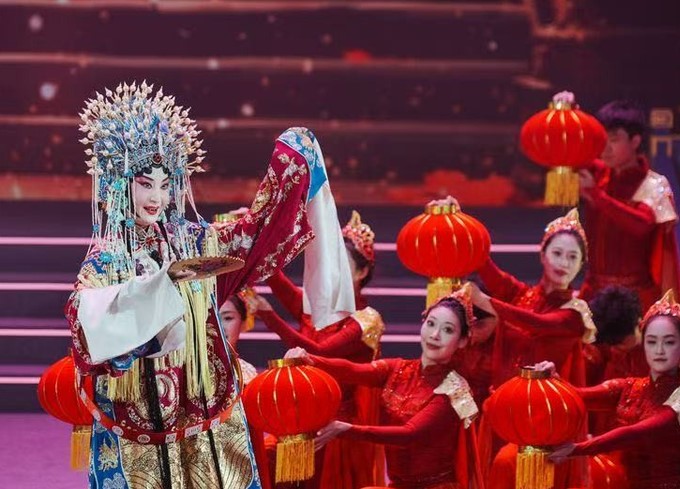
Do not limit your operatic journeys to the Western hemisphere. Attending a traditional Peking Opera (Jingju) night in Beijing is a thrilling sensory shockwave.
Unlike Western opera’s focus on pure vocal resonance, Chinese opera is an intricate blend of speech, song, martial arts, dance, and extreme acrobatics. The performers wear highly symbolic, vibrant face paint where colors indicate a character’s morality (e.g., red symbolizes loyalty, while white denotes deception). The music utilizes sharp percussion and high-pitched string instruments designed to cut through open-air markets where these shows were originally performed.
How to Enjoy Your First Performance Without Getting Lost
You do not need to read sheet music or speak fluent Italian to have a transformative evening. Use this structural blueprint to navigate your first night at the theater.
The Secret of Surtitles
Many beginners worry they won’t understand a single word of the plot. Thankfully, modern technology has solved this. Almost every major opera house in the world now features surtitles—digital screens placed above the stage or integrated directly into the back of the seat in front of you that display real-time translations in multiple languages.
Do Your Homework (The 20-Minute Rule)
An opera is an intricate story, not a movie with a surprise twist ending. To maximize your enjoyment during cultural opera nights, spend twenty minutes reading a detailed plot synopsis before you leave your hotel room.
Familiarize yourself with the main characters, the conflict of each act, and listen to the three most famous arias (solo musical numbers) on a streaming platform. When those familiar melodies finally play live in the theater, the emotional payoff is incredible.
Insider Tips for the Ultimate Evening of High Culture
After a decade of attending shows from Sydney to Salzburg, I’ve unlocked a few practical secrets that can save your budget and your sanity.
-
Look for “Loggione” or Gallery Tickets: If you want world-class acoustics without paying hundreds of dollars, book seats in the highest tiers (the gallery). While you won’t see the actors’ subtle facial expressions up close, the sound rises naturally, making these seats the absolute favorite of hardcore opera purists. Just pack a pair of compact theater binoculars.
-
Book Your Interval Drinks in Advance: The intermission rush at an opera house is chaotic. To avoid standing in a twenty-minute line for a glass of champagne, look for the bar staff before the show starts. Most historic houses allow you to pre-order your drinks and snacks, which will be waiting for you at a numbered table the moment the curtain drops.
-
Decode the Dress Code: Gone are the days when capes and tiaras were mandatory. While opening nights still lean formal, a standard weekend performance generally requires “smart casual” attire. Think a tailored blazer or a dark dress. The key is to show respect for the performers and the historic venue.
Beware the “Staging Shock”
Here is a major warning for intermediate theater-goers: Always check the director’s staging style before buying tickets.
Many historic European opera houses embrace Regietheater (Director’s Theater). This means a director might take a classic opera set in 14th-century Spain and completely reimagine it inside a modern corporate boardroom or a futuristic space station.
If you are expecting traditional period costumes and grand stone castles, a hyper-modern, minimalist interpretation can be incredibly jarring. Look at production photos on the venue’s website beforehand to ensure the visual style aligns with your personal expectations.
The Final Curtain Call
When the final note fades into silence and the auditorium erupts into applause, you realize that opera isn’t an archaic art form preserved in amber. It is an exploration of the absolute limits of human capability and emotion. Stepping out into the cool night air of a new city after a stellar performance changes how you view that culture forever.
Have you ever experienced the raw power of a live opera night while traveling, or are you currently planning your very first theater excursion? Do you prefer the romantic, sweeping melodies of Italian houses, or are you eager to witness the acrobatic spectacles of Eastern traditions? Let me know in the comments below, and let’s get you ready for opening night!
