You spend ninety minutes stuck in a diesel-choked taxicab trying to cross central Paris or Budapest, watching historic monuments blur past behind dirty glass while the meter ticks endlessly upward. We’ve all felt that soul-crushing urban traffic fatigue—spending more time battling city congestion than actually taking in the skyline.
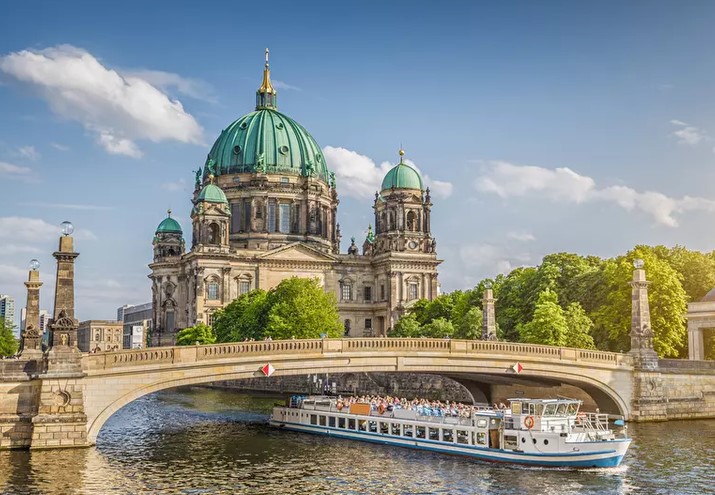
After a decade of exploring over 60 global metropolises, I realized that the best view of a world-class city isn’t from a double-decker bus or a gridlocked boulevard. It’s from the water. City river cruises offer a smooth, stress-free alternative to urban transit, letting you glide past centuries of iconic architecture from an open-air deck.
                    URBAN MOBILITY SPECTRUM

   Surface Street Transit                  City River Cruises
┌──────────────────────────┐            ┌─────────────────────────┐
│ • Exhausting traffic jams│            │ • Continuous water flow │
│ • Obstructed skyline views│   ──────►  │ • Uninterrupted vistas  │
│ • High noise pollution   │            │ • Panoramic sundecks    │
│ • Chaotic transfers      │            │ • Relaxed, luxury pace  │
└──────────────────────────┘            └─────────────────────────┘
Why Urban Waterways Beat Street-Level Sightseeing
Think of a major river like a city’s primary arterial highway—except there are no traffic lights, no gridlock, and zero honking horns. Historically, civilizations built their most grand civic structures, cathedrals, and government hubs facing directly toward the water because rivers were the original commercial highways.
When you book city river cruises, you are essentially looking at a city through its intended front door, rather than sneaking in through the chaotic back alley of street traffic.
Here is why embarking on an urban waterway journey completely redefines city exploration:
-
Unobstructed Architectural Angles: Buildings along major rivers are set back to honor public embankments, giving you wide-angle, panoramic views that are impossible to capture from narrow sidewalks.
-
Micro-Climate Comfort: River corridors create natural wind funnels that clear away smog and generate refreshing breezes, keeping you cool during sweltering summer travel seasons.
-
Effordable VIP Logistics: You cover major geographic distance across multi-neighborhood spans while seated, enjoying curated historical commentary without wearing out your footwear.
Legendary Global Waterways for City River Cruises
Over my ten years on the water, three iconic urban river systems stand far above the rest for historical density, engineering marvels, and breathtaking visual storytelling.
1. The Danube (Budapest, Hungary)
There is a reason night sailings along the Danube are famous worldwide. Budapest was formed by uniting two distinct historic cities—Buda on the hills and Pest on the plains—separated by this grand waterway.
Sailing under the illuminated Chain Bridge while passing the glowing Hungarian Parliament Building feels like floating through a live cinematic masterpiece.
-
Best For: Evening cruises, architectural photography, and romantic night sailings.
-
Key Highlight: Capturing the reflection of Europe’s second-largest parliament building dancing on dark river currents.
2. The Seine (Paris, France)
The Seine isn’t just a river; it’s a UNESCO World Heritage site lined with iconic landmarks.
Classic Bateaux Mouches or intimate electric river barges carry you past Notre-Dame Cathedral, under thirty-seven historic bridges (including the ornate Pont Alexandre III), and directly to the base of the sparkling Eiffel Tower.
3. The Chicago River (Chicago, USA)
If modern engineering and sky-high skyscrapers excite you, Chicago offers the gold standard for architectural city river cruises.
Navigating the narrow canyon of the Chicago River places you beneath towering steel-and-glass structures. Local docents unpack the city’s dramatic post-1871 rebuild, explaining structural engineering feats like the river’s famous flow-reversal project.
| River & City | Primary Vibe | Average Duration | Key Architectural Styles |
| Danube (Budapest) | Majestic & Illuminated | 1–1.5 Hours | Gothic Revival, Baroque, Art Nouveau |
| Seine (Paris) | Historic & Romantic | 1–2 Hours | French Renaissance, Classical, Haussmannian |
| Chicago River (USA) | Modern & Industrial | 1.5–2 Hours | Art Deco, Modernist, International Style |
| Sumida River (Tokyo) | Futuristic & Cultural | 45–60 Mins | Ultra-modern steel bridges, Edo heritage sites |
Technical Elements: Vessels, Locks, and Navigation Dynamics
Not all boat tours offer the same operational quality. Understanding the technical setup of urban passenger vessels helps you pick the right vessel for your style.
Vessel Engineering: Flat-Bottom vs. Hydrofoil Boats
Urban rivercraft are engineered specifically for shallow inland channels and low bridge clearances (air draft).
-
Flat-Bottom Sightseeing Vessels: Designed with wide hulls for maximum stability and minimal wake production. They feature full glass-roof enclosures with sliding panels to accommodate unexpected rain.
-
Low-Emission Electric Barges: The modern standard in sustainable urban travel. These near-silent vessels eliminate fuel fumes and engine vibrations, making audio commentary crystal clear.
Bridge Clearances & Tidal Swells
In coastal or estuarine cities like London (Thames) or Paris (Seine), river water levels fluctuate due to ocean tides or upstream rainfall. High water levels occasionally force cruise operators to modify routes when air draft under low arch bridges becomes too tight.
Pro Tips & Hidden Pitfalls: A Veteran’s Field Guide
After logging dozens of urban sailings across Europe, North America, and Asia, I’ve collected crucial operational insights to ensure you get maximum value for your ticket.
Pro Tip: Position yourself on the stern (back) deck of the vessel rather than the bow (front). The front of the boat gets packed with eager tourists crowding the railings, while the open rear deck gives you clear 180-degree photo angles with far fewer heads blocking your shot.
Hidden Pitfalls to Avoid:
-
The “Dinner Cruise” Markup Trap: High-volume buffet dinner cruises often charge triple the price of standard sightseeing sailings while serving mediocre food. Book a sunset-timed educational cruise instead, then dine at a top-rated local land bistro afterward.
-
Watch the “Wind Chill” Factor: Water temperature and open river channels drop ambient temperatures fast. Even on a warm spring day, pack a windproof jacket or light scarf for open-air top-deck viewing.
-
Check the Departure Pier Location: Major rivers have multiple operator docks scattered along miles of embankment. Double-check your operator’s exact pier number on digital maps to avoid missing your boarding window.
Drift Into the Heart of the City
Urban travel doesn’t have to be a high-stress endurance test of dodging traffic, navigating underground subways, and pushing through crowded sidewalks. City river cruises restore a sense of calm, elegance, and scale to city exploration.
By stepping onto a riverboat deck, you trade street-level noise for panoramic vistas, sweeping architecture, and unforgettable night skies. Next time you visit a legendary river city, skip the taxicab, head down to the embankment, and let the current show you the sights.
What is the most memorable city river cruise you’ve ever taken, or which iconic urban waterway is sitting at the top of your travel bucket list? Drop your favorite spots in the comments below, or ask your burning route-planning questions so I can help you pick the perfect water tour!
