You step into a brightly lit hall, pay $28 for a lukewarm, pre-packaged panini, and sit on a plastic chair next to a souvenir stall. That disappointment is a classic tourist trap scenario. According to culinary travel surveys, nearly 70% of international visitors list local gastronomy as their primary travel driver, yet most end up eating at sanitized tourist hubs that serve watered-down versions of authentic dishes.
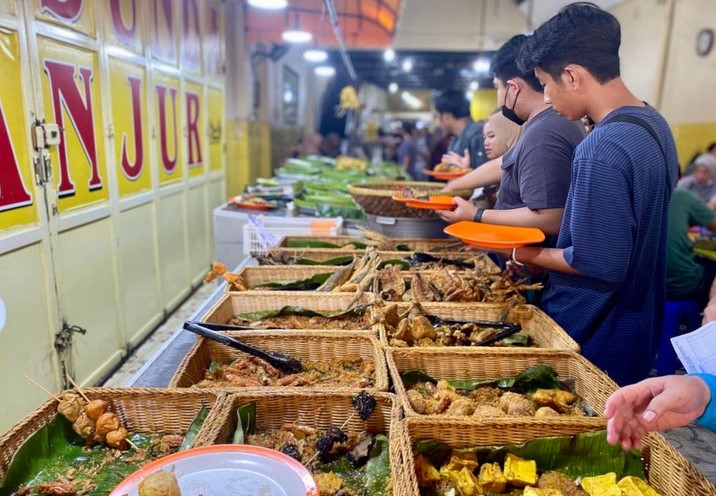
After ten years of eating my way across 60 countries, I can tell you that the true culinary heartbeat of any metropolis doesn’t reside in white-cloth Michelin establishments. It lives in the chaotic, aromatic, and loud aisles of city food markets. These historic halls and open-air bazaars function as living culinary museums where centuries of trade routes, agricultural traditions, and regional recipes intersect in real time.
Plaintext
                    THE CULINARY VENDOR MATRIX

   Tourist Trap Food Courts                 Authentic City Food Markets
┌──────────────────────────┐            ┌─────────────────────────┐
│ • Mass-produced imports  │            │ • Hyper-local sourcing  │
│ • Elevated tourist markup│   ──────►  │ • High inventory turn   │
│ • Sterilized atmosphere  │            │ • Generational recipes  │
│ • Low seasonal variance │            │ • Direct producer access│
└──────────────────────────┘            └─────────────────────────┘
Why Historic Food Markets Dominate Urban Culinary Travel
Think of a traditional food market like an open-source operating system for a city’s culture. Instead of viewing isolated artifacts behind glass, you get to smell, taste, and engage directly with the raw ingredients and generational vendors that define the region’s daily life.
Navigating city food markets lets you skip corporate intermediaries, offering an unedited look into regional agriculture, seasonality, and street food traditions.
Here is why market-based food exploration beats standard restaurant dining for travelers:
-
Unmatched Culinary Freshness: High-volume turnover means ingredients are harvested, delivered, and prepared on the exact same morning.
-
Direct Producer Interaction: You buy directly from third-generation butchers, cheesemongers, and spice merchants who know their product’s exact origin.
-
Hyper-Regional Diversity: A single market hall allows you to sample dozens of regional micro-specialties under one roof without cross-city transit.
Global City Food Markets Every Traveler Must Experience
Over my decade on the road, I’ve tracked the world’s most culturally significant food halls. These four iconic destinations represent the pinnacle of global market culture, blending deep history with incredible flavor profiles.
1. La Boqueria (Barcelona, Spain)
Positioned right off Las Ramblas, Mercat de Sant Josep de la Boqueria dates back to 1217 as a meat market.
While the front entrance gets crowded with tourists buying pre-cut fruit cups, walking 50 meters deeper reveals legendary tapas bars like El Quim de la Boqueria. Here, you can sit on an iron stool and feast on fried eggs topped with fresh baby squid, cooked on a searing flat-top grill right in front of you.
-
Best For: Catalan seafood, artisan cured jamón Ibérico, and lively counter-bar dining.
-
Key Highlight: Pairing morning espresso with sizzling wild mushrooms tossed in garlic and olive oil.
2. Tsukiji Outer Market (Tokyo, Japan)
While the wholesale tuna auctions moved to Toyosu, the historic Tsukiji Outer Market remains Tokyo’s spiritual home for street food and culinary knife craft.
The narrow alleys are packed with vendors searing wagyu beef skewers with blowtorches, folding delicate layers of sweet tamagoyaki (Japanese omelets), and slicing pristine sashimi caught just hours prior.
3. Borough Market (London, United Kingdom)
Tucked beneath Victorian railway arches near London Bridge, Borough Market has operated in various forms for over 1,000 years.
It is a global produce hub where British farmstead cheeses, artisan sourdoughs, and line-caught seafood sit alongside street vendors serving aromatic sourdough-drilled raclette, Argentine empanadas, and slow-cooked confit duck sandwiches.
4. Mercado de San Juan (Mexico City, Mexico)
For travelers seeking raw authenticity and exotic ingredients, San Juan is the undisputed temple of gastronomy in Mexico City.
It is the preferred sourcing market for the city’s top chefs, renowned for its wild game meats, artisan Oaxacan cheeses (quesillo), edible insects like escamoles (ant larvae) and chapulines (grasshoppers), and fresh-cured seafood tostadas.
| Market & City | Primary Culinary Focus | Ideal Visit Time | Vibe & Scale |
| La Boqueria (Barcelona) | Catalan Tapas & Seafood | 8:30 AM – 10:30 AM | Energetic, historic, counter-seating |
| Tsukiji Outer Market (Tokyo) | Fresh Sashimi & Street Snacks | 7:00 AM – 9:30 AM | Dense alleys, fast-paced, traditional |
| Borough Market (London) | Artisan Produce & Global Street Food | 10:00 AM – 12:00 PM | Bustling, covered Victorian arches |
| Mercado de San Juan (Mexico City) | Exotic Meats & Chef Ingredients | 11:00 AM – 1:00 PM | Authentic, ingredient-focused, bold |
Technical Mechanics: Food Safety, Inventory Dynamics, and Etiquette
Exploring high-density market halls requires practical knowledge to ensure you stay healthy while maximizing your tasting budget.
Assessing Food Safety and Stall Turnover
When evaluating street food stalls inside open-air city food markets, use the “3-Minute Rule” to gauge hygiene and food safety:
$$\text{Safety Score} = \frac{\text{Local Customer Line Density}}{\text{Time Food Sits Under Heat Lamps}}$$
If a stall has a steady line of local residents and cooks fresh batches of food continuously on open iron griddles, the inventory turnover is high. Avoid stalls where prepared meat sits unheated in stagnant ambient air.
Navigating Market Etiquette
-
Cash is Still King: While modern European halls accept contactless cards, traditional vendors across Asia and Latin America operate exclusively on exact cash or small local bills.
-
Observe Touch Rules: Never touch raw produce or cured meats with your bare hands unless invited by the vendor; point or use designated tongs.
-
Respect Standing Zones: Eat your purchased street food near the stall or at designated standing tables; walking through dense crowds while holding messy skewers or hot noodle soups is considered poor market etiquette in many cultures.
Pro Tips & Hidden Warnings from a Travel Veteran
After ten years of navigating market stalls worldwide, I’ve collected crucial operational rules that separate rookie tourists from seasoned culinary travelers.
Pro Tip: Look for stalls that specialize in a single item. A vendor who has been cooking nothing but pad thai, porchetta, or churros for forty years will always deliver superior flavor quality compared to a multi-menu stall trying to serve ten different dishes.
Hidden Pitfalls to Avoid:
-
The Front-Entrance Trap: The stalls located within ten meters of a market’s main entrance always charge the highest prices for the lowest portion sizes because they pay premium rent. Always walk straight to the central or rear aisles where local shoppers buy their daily goods.
-
Beware the “English-Only” Glossy Menus: Stalls with oversized laminate menus translated into six languages with stock photos are built specifically for tour groups. Seek out stalls with simple hand-written chalkboards in the local language.
-
Ignoring Midday Closing Hours: Traditional Mediterranean and Latin American markets often wind down operations by 2:30 PM for afternoon cleaning. Plan your market tours for breakfast or early lunch to catch vendors at peak inventory.
Experiencing a city through its food markets is the ultimate shortcut to understanding its soul. City food markets break down cultural barriers, inviting you to taste history, trade, and community pride one plate at a time.
By avoiding tourist traps, following local crowds to high-turnover stalls, and approaching unfamiliar ingredients with an open mind, you transform every trip into an unforgettable culinary journey.
What is the most incredible dish you’ve ever discovered inside a city food market, or which market is sitting at the top of your travel bucket list? Share your favorite foodie spots and travel questions in the comments below!
