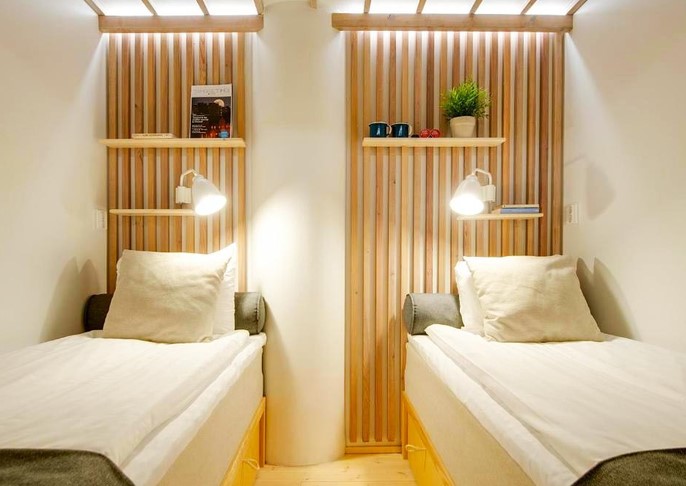
You land in Berlin at 11:00 PM, drag a 40-pound backpack through a pouring rainstorm, and unlock your dorm room door—only to discover your bunk is right next to a creaky bathroom door, with zero power outlets near your pillow and a roommate snoring at 80 decibels. We’ve all paid our dues in bad budget accommodations. Spending half your travel daily budget on a glorified closet with terrible Wi-Fi is the fastest way to ruin a semester abroad.
After ten years of backpacking across six continents—sleeping everywhere from ultra-modern pod properties in Tokyo to converted medieval townhouses in Prague—I’ve learned that low-cost housing doesn’t have to mean low quality. Finding exceptional budget student hostels isn’t about luck; it is a systematic art of analyzing property amenities, room layouts, and location metrics before handing over your card details.
Plaintext
                    THE BUDGET LODGING SPECTRUM

   Dismal Cheap Motels                     Modern Student Hostels
┌──────────────────────────┐            ┌─────────────────────────┐
│ • Isolated locations     │            │ • High walkability score│
│ • Hidden facility fees   │   ──────►  │ • Built-in student hubs │
│ • Zero community feel    │            │ • Digital nomad setups  │
│ • Outdated infrastructure│            │ • Privacy pods & lockers│
└──────────────────────────┘            └─────────────────────────┘
What Makes Modern Student Hostels Worth Booking?
Think of a well-designed modern hostel like a Swiss Army knife for young travelers. It isn’t just a place to park your body for eight hours of sleep; it is a dynamic ecosystem that combines co-working spaces, community kitchens, laundry hubs, and local tour coordination into a single, highly affordable package.
Unlike generic budget hotels that isolate you inside four beige walls, top-tier budget student hostels focus on social connectivity and modern digital infrastructure.
Here is what sets high-value properties apart from outdated budget lodgings:
-
Privacy-First Dorm Engineering: Modern dorms feature built-in privacy curtains, individual reading lights, personal power banks, and USB-C ports inside every single bunk niche.
-
Integrated Communal Kitchens: Fully equipped kitchens with labeled storage systems allow students to cook their own meals, cutting daily food costs by up to 60%.
-
High-Speed Enterprise Wi-Fi: Reliable mesh Wi-Fi networks spanning both common areas and dorm rooms ensure you can submit university assignments or take remote calls without dropped connections.
Global Cities with Outstanding Student Hostel Networks
Over a decade on the road, I’ve tracked the world’s best budget accommodation hubs. These global cities offer the highest density of safe, amenity-packed, and affordable dorms for students and budget-conscious explorers.
1. Budapest, Hungary: The Capital of High-Value Hospitality
Budapest is globally famous among student backpackers for offering luxury-grade hostel amenities at a fraction of Western European prices.
Properties here operate out of historic 19th-century residential buildings with sprawling interior courtyards. Expect boutique-style decor, free daily city walking tours, organized ruin-bar crawls, and pod-style bunk setups for under €25 a night.
2. Prague, Czech Republic: Historic Charm Meets Modern Tech
Prague seamlessly bridges classic European history with ultra-modern backpacker infrastructure.
Hostels in districts like Žižkov or Vinohrady offer peaceful residential vibes away from overcrowded tourist plazas, while keeping you a short tram ride from major university campuses and city sights.
-
Best For: Students seeking quiet study spaces paired with vibrant evening social scenes.
-
Key Highlight: Massive communal lounges equipped with espresso bars, co-working desks, and micro-cinemas.
3. Chiang Mai, Thailand: The Gold Standard for Digital Nomads & Students
If you are studying abroad in Southeast Asia or taking a gap year, Chiang Mai offers unmatched value for money.
Hostel resorts here often feature outdoor swimming pools, garden work cafes, and air-conditioned pod rooms for less than $12 USD per night, including breakfast.
| Destination & Country | Average Nightly Rate | Vibe & Audience | Standout Amenity |
| Budapest (Hungary) | €18 – €28 | Social, energetic, cultural | Historic courtyard lounges & pod bunks |
| Prague (Czech Republic) | €22 – €32 | Balanced, cozy, academic | Co-working hubs & quiet study zones |
| Chiang Mai (Thailand) | $8 – $15 | Relaxed, tropical, nomad-heavy | Onsite swimming pools & outdoor cafes |
| Lisbon (Portugal) | €25 – €38 | Creative, coastal, design-led | Free home-cooked communal dinners |
Technical Frameworks: How to Evaluate a Hostel Before Booking
Booking a dorm bed based purely on a cheap price tag is a classic beginner mistake. To ensure your stay supports both your budget and your peace of mind, evaluate properties using these essential technical criteria.
The Location-Transit Matrix
A $15 hostel that sits 40 minutes outside the city center isn’t a bargain—it’s a transportation trap. Calculate the real cost using this simple formula:
$$\text{Real Daily Cost} = \text{Nightly Bed Rate} + (2 \times \text{Single Transit Fare})$$
If the combined transit costs and time lost equal the price of a central hostel, always book the central option to stay within walking distance of key landmarks and university hubs.
Security and Storage Specifications
Never check into a hostel that compromises on security infrastructure. Look for properties that explicitly offer:
-
Electronic Keycard Access: Dual-layer security requiring keycard taps for both the main floor corridors and individual room doors.
-
Under-Bed Steel Lockers: Spacious lockers capable of fitting a full 60-liter backpack, operated via keycards or your own personal padlock.
-
24/7 Front Desk Operations: Onsite staff availability to manage late-night check-ins and handle safety concerns instantly.
Pro Tips & Hidden Warnings from a Travel Veteran
After spending hundreds of nights in dorm rooms across the world, I’ve collected crucial operational advice that will save your sanity and your wallet.
Pro Tip: Always book your stay directly through the hostel’s official website rather than third-party booking platforms. Most properties offer direct-booking perks like free daily breakfast vouchers, flexible cancellation terms, or complimentary late check-out.
Hidden Pitfalls to Avoid:
-
The “Party Hostel” Burnout: Unless you plan on staying up until 4:00 AM every single night, avoid hostels that advertise “free shot rounds” or “onsite nightclub bashes.” Look for properties tagged as “social,” “cozy,” or “boutique” to ensure you actually get a good night’s sleep.
-
Watch Out for Linen and Towel Fees: Some budget properties lower their baseline nightly rate on booking sites, only to charge forced extra fees for bed linens, towels, or luggage storage upon arrival. Read the fine print before placing your deposit.
-
The Top-Bunk Trap: If you have the option to choose your bunk during online check-in or at the front desk, request a lower bunk. You’ll get easier access to floor luggage, more stability, and direct access to wall power sockets without dangling cables.
Traveling the world on a student budget doesn’t require sacrificing your comfort, safety, or study focus. Budget student hostels have evolved into modern, community-driven sanctuaries that make long-term international travel accessible, enriching, and deeply social.
By applying smart booking filters, prioritizing security and location over the absolute lowest price, and choosing properties built around student needs, you unlock an incredible global network of affordable beds and lifelong friends.
What is the best hostel you’ve ever stayed in during your travels, or what is your biggest concern about booking a dorm room abroad? Share your experiences and questions in the comments below!
