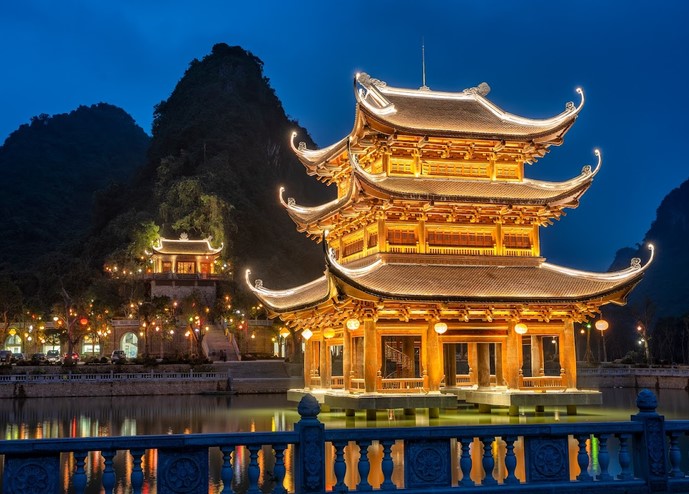
It is 4:15 AM. A sharp, rhythmic wooden clapper breaks the freezing mountain air, echoing down sliding paper doors and unheated tatami hallways. You sit cross-legged on a woven straw mat, your knees aching from forty minutes of posture corrections, trying to focus on your breath while a resident monk glides silently down the aisle behind you.
This is the reality of authentic meditation temple stays—and it is a world away from the pristine, luxury spa packages promised by travel brochures. After spending over a decade living alongside monastic communities across Japan, South Korea, and Thailand, I have learned that booking a temple stay is not just a peaceful getaway. It is a structured immersion into living history, mental discipline, and ancient routines.
Whether you are seeking a digital detox or preparing for your very first monastic retreat, this deep-dive guide breaks down the real-life expectations, etiquette rules, and technical details of authentic temple stays.
1. Why Authentic Temple Stays Beat Standard Wellness Resorts
Most commercial retreats treat relaxation like a consumer product: soft robes, scented candles, and unlimited options. Monastic temple stays take the exact opposite approach—they reduce choices to cultivate mental space.
+------------------------+-------------------------------------------------------+-------------------------------------------------------+
| Aspect                 | Luxury Wellness Resort                                | Traditional Meditation Temple Stay                    |
+------------------------+-------------------------------------------------------+-------------------------------------------------------+
| Core Objective         | Physical pampering & indulgence                       | Mental discipline, presence, & self-reflection        |
| Daily Routine          | Unstructured; voluntary activities                    | Strict schedule (4:00 AM wake-up, set meal/sit times) |
| Dining Philosophy      | Multi-course meals & alcoholic beverages              | Temple cuisine (Shojin Ryori/Baru Gongyang); mindful   |
| Environment            | Air-conditioned suites & plush bedding                | Minimalist rooms, futons/mats, seasonal temperatures  |
+------------------------+-------------------------------------------------------+-------------------------------------------------------+
Think of a traditional temple stay like resetting an overloaded laptop to its factory settings. By clearing away artificial notifications, complex meal choices, and constant social noise, your brain stops processing background clutter and naturally slows down.
2. Choosing Your Monastic Path: Regional Styles and Traditions
Not all meditation temple stays follow the same philosophy or daily rhythm. Over ten years on the road, I have categorized Asian temple stays into three major traditions, each offering a distinct mental and physical experience.
Japanese Shukubo (Zen & Shingon Traditions)
-
The Atmosphere: Nestled in historic mountain complexes like Mount Koya (Koyasan) or Kyoto, featuring historic wooden architecture, raked gravel gardens, and sliding screen doors (fusuma).
-
The Practice: Focuses on Zazen (seated meditation) and Aji-kan (visualization exercises). Morning services include fire rituals (Goma) and chanting.
-
The Insight: Japanese shukubo are generally comfortable, offering private rooms and exquisite multi-course Buddhist vegan meals (Shojin Ryori). However, winter visits mean braving unheated hallways and drafty corridors.
South Korean Templestay (Seon Buddhism)
-
The Atmosphere: Mountain sanctuaries like Haeinsa or Templestay programs coordinated across historical complexes, surrounded by dense pine forests.
-
The Practice: Focuses on Chamseon (Seon seated meditation), 108 prostrations (Bae), and ceremonial tea rituals (Dado) with resident monks.
-
The Insight: Korean stays strike a great balance for beginners. They provide structured cultural workshops alongside deep, silent meditation practices.
Southeast Asian Forest Monasteries (Theravada Tradition)
-
The Atmosphere: Minimalist forest centers across Thailand or Myanmar, where guests stay in simple individual huts (kuti) surrounded by jungle.
-
The Practice: Intense focus on Vipassana (insight meditation) and Anapanasati (mindfulness of breathing), often held under strict noble silence rules.
-
The Insight: These stays are best suited for intermediate practitioners seeking rigorous, low-cost or donation-based practice without tourist comforts.
3. The Technical Side: Posture, Micro-Rhythms, and Temple Etiquette
Approaching a temple stay with respect and physical preparation prevents injury and ensures a smooth, meaningful stay.
Mastering Seated Posture (Zazen Mechanics)
Sitting still on a firm cushion (zafu) for 40 to 60 minutes requires proper spinal alignment rather than sheer willpower:
-
The Three-Point Base: Position your knees firmly on the mat while keeping your pelvis elevated on the cushion. This forms a stable tripod base that supports your back without straining your lumbar spine.
-
Pelvic Tilt: Tilt your pelvis slightly forward to preserve the natural curve of your lower spine. Pull your chin inward and stretch the crown of your head upward as if supporting a ceiling beam.
-
Eye Position: Keep your eyes half-open, resting your gaze softly on the floor about three feet in front of you at a 45-degree angle to prevent drowsiness or daydreaming.
Navigating Mindful Dining (Temple Cuisine)
Meals are an integral part of meditation. In Korean Seon traditions (Baru Gongyang), dining is a silent, ceremonial practice:
-
Zero Food Waste: Guests receive four wooden bowls. You must eat every single grain of rice and pickle slice. At the end of the meal, warm water or tea is poured into the bowl to wash off remaining food bits, which are swallowed.
-
Mindful Consumption: Eating in silence turns food into energy management rather than entertainment, sharpening your appreciation for natural flavors and textures.
4. Packing and Preparation: Low-Profile Gear Strategy
Temples are sacred sites and active working monasteries, so your packing list should focus on modesty, comfort, and minimal noise.
The Temple Stay Gear Checklist
-
Loose, Conservative Clothing: Pack breathable, stretchable pants (like linen or loose cotton) that cover your knees comfortably during long sits. Avoid loud, rustling synthetic fabrics, bright colors, or sleeveless tops.
-
Easy Slip-On Shoes: You will remove your shoes dozens of times a day when stepping onto temple verandas, meditation halls, and dining quarters. Bring supportive slip-ons or loafers alongside thick, clean cotton socks.
-
Thermal Layering: Historic wooden temples lack central heating. Bring high-quality merino wool base layers, a fleece jacket, and warm socks if traveling between October and April.
-
Compact Slip-Proof Digital Watch: Smartwatches and mobile phones are usually collected or banned in meditation halls. A silent, non-ticking wrist watch helps you track daily schedules without digital distractions.
5. Pro Tips and Hidden Pitfalls
Draw on these insider guidelines to navigate your monastic retreat smoothly and respectfully.
Pro Tip: Embrace the “Keisaku” or Warning StickIn Japanese Zen halls, a resident monk walks with a flat wooden stick (keisaku). If you feel sleepy, distracted, or tense during long sitting sessions, bow your head and bow your hands together when the monk passes. You will receive two firm, cleansing strikes on each shoulder muscle. It is not punishment; it relieves muscle tension instantly and restores focus.
Hidden Warning: Mind the Temple Thresholds and Sacred ImagesNever step directly onto the raised wooden threshold of a temple doorway—always step over it. In East Asian architecture, the threshold represents a boundary between the worldly and the sacred, and stepping on it is considered disrespectful. Additionally, never point your feet directly at Buddha statues or monks when sitting; tuck your feet behind or beside you.
Begin Your Reflection Journey
Taking part in meditation temple stays is one of the most grounding travel experiences you can have. By setting aside modern luxuries, observing monastic etiquette, and embracing early-morning disciplines, you gain mental clarity and a newfound appreciation for simple living.
Have you ever stayed in a traditional temple or participated in a silent retreat? Or are you preparing for your very first monastic experience? Drop a comment below, share your travel stories, or ask any prep questions before booking your next peaceful escape!
