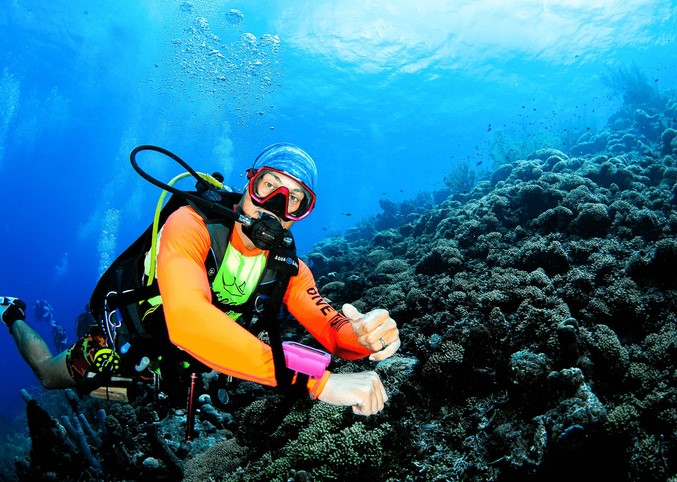
You giant-stride off the stern of a wooden dive boat, sink below the warm surface, and take your very first breath underwater. Suddenly, the chaotic noise of the world above instantly vanishes—replaced only by the rhythmic, soothing sound of your own regulator gasping in air and bubbling out into the blue.
For many travelers, taking that plunge is both exhilarating and intimidating. Over my ten-plus years of logging dives across remote coral triangles, volcanic drop-offs, and shallow marine reserves, I have learned that tropical diving holidays are not just simple beach vacations. They are high-yield underwater expeditions that require a smart blend of dive logistics, gear management, and marine ecosystem awareness.
Whether you are working toward your Open Water certification or looking to refine your buoyancy control for your next getaway, this deep-dive guide breaks down everything you need to execute an unforgettable underwater adventure.
1. Why Tropical Diving Holidays Excel Beyond Standard Beach Vacations
Lazing under a palm tree with a cocktail is fine, but it only gives you a two-dimensional view of a tropical destination. Diving opens up a dynamic, three-dimensional wilderness that covers over 70% of our planet.
+------------------------+-------------------------------------------------------+-------------------------------------------------------+
| Aspect                 | Surface Resort Vacation                               | Tropical Diving Holiday                               |
+------------------------+-------------------------------------------------------+-------------------------------------------------------+
| Perspective            | Static coastal views & pool deck relaxation           | Total 3D weightless exploration of coral ecosystems   |
| Activity Level         | Passive; low physical engagement                      | Active, low-impact exercise & deep mental relaxation  |
| Marine Interactions    | Distant sightings from boats or shallow snorkeling    | Eye-to-eye encounters with pelagic life & macro species|
| Travel Satisfaction    | Standard leisure reset                               | Deep skill mastery & immersive ocean conservation     |
+------------------------+-------------------------------------------------------+-------------------------------------------------------+
Think of scuba diving like visiting a bustling, weightless metropolis built by nature. The coral reef serves as high-rise architecture, while cleaning stations act as local health clinics where reef sharks and sea turtles wait patiently in line for cleaner wrasse fish to groom them.
2. Choosing Your Ideal Dive Hub: Liveaboards vs. Shore-Based Resorts
One of the biggest choices you will make when planning tropical diving holidays is deciding between liveaboard vessels and land-based resorts. Each offers a completely different rhythm and dive itinerary.
Land-Based Dive Resorts & Centers
-
The Concept: You stay in a beachfront resort or eco-lodge and take daily boat trips (or shore walks) to local dive sites, returning in time for lunch or evening dinner.
-
Best For: Beginners, non-diving travel partners, or divers who prefer flexible schedules, spacious land amenities, and cultural land excursions between dive days.
-
The Insight: Shore-based setups allow you to log two to three dives a day without feeling rushed, leaving plenty of energy to explore local night markets and coastal towns.
Liveaboard Dive Expeditions
-
The Concept: You live, sleep, and eat aboard a dedicated dive vessel for 3 to 10 days, cruising to remote offshore reefs, pinnacles, and isolated marine parks.
-
Best For: Intermediate to advanced divers seeking up to four or five dives a day, untouched reefs far from tourist crowds, and night diving opportunities.
-
The Insight: Liveaboards maximize underwater time and build incredible camaraderie with fellow divers, but require good sea legs and comfort in cozy cabin quarters.
3. The Technical Side: Buoyancy, Air Consumption, and Safety Protocols
Understanding underwater physics is what keeps you relaxed, safe, and efficient in the water. Mastering these core technical concepts ensures you spend less energy fighting the water and more time enjoying the scenery.
The Physics of Buoyancy Control
Buoyancy is your ability to float weightlessly in the water column without sinking into fragile coral or popping up to the surface like a cork.
-
Managing Your BCD (Buoyancy Control Device): Your BCD is an inflatable vest. Beginners often over-inflate or over-deflate their BCD, causing them to constantly fight gravity. Adjust your air in small, single-second bursts and wait a moment for your body to stabilize.
-
Lung Volume Modulation: Fine-tuning your depth comes from your lungs. Inhaling deeply makes you slightly positive (rising), while exhaling fully makes you negative (sinking). Use your breath—not your fins—to glide over coral heads.
Nitrox (EANx) and No-Decompression Limits
As you dive deeper, your body absorbs nitrogen from your compressed air tank. To extend your underwater time safely:
-
Enriched Air Nitrox (EANx): Nitrox blends contain a higher percentage of oxygen (usually 32% or 36%) and less nitrogen than standard atmospheric air. This reduces nitrogen absorption, significantly extending your bottom time and reducing post-dive fatigue.
-
Surface Intervals & Flying Rules: Always maintain a minimum 18-to-24-hour surface interval between your last dive and boarding a commercial flight to prevent Decompression Sickness (DCS).
4. Essential Gear Strategy for Tropical Divers
While dive shops provide rental equipment, investing in a few personal gear pieces improves your safety, hygiene, and underwater comfort.
The Personal Dive Kit Checklist
-
Low-Volume Dive Mask: Rental masks often leak or fog up. Owning a high-quality, silicone-skirted low-volume mask that fits your face shape properly transforms your underwater visibility.
-
Dive Computer: A personal wrist-mounted dive computer tracks your depth, ascent rates, and real-time no-decompression limits, giving you total independence and safety monitoring.
-
Tropical Exposure Protection: Water absorbs body heat 25 times faster than air. A 3mm neoprene wetsuit or a high-density rash guard with a hood keeps you warm during 60-minute dives and shields your skin from sun and jelly stingers.
-
Eco-Friendly Fins: Choose lightweight, open-heel fins paired with neoprene booties for comfort when walking over rocky shore entries or wet dive decks.
5. Pro Tips and Hidden Pitfalls
Draw on these field-tested strategies to ensure your tropical dive holiday is safe, sustainable, and stress-free.
Pro Tip: Perform a Weight Check at the Start of Every TripMost divers carry too much lead weight on their belts, which wastes tank air and ruins trim position. On your first check dive, step into deep water with a near-empty tank, deflate your BCD completely, and hold a normal breath. You should float at eye level. When you exhale, you should slowly sink below the surface. Adjust your weight accordingly!
Hidden Warning: Beware of Coral Bleaching and “Reef-Safe” Label MythsTropical marine environments face severe thermal stress. Always apply certified chemical-free, non-nano zinc oxide sunscreens at least 20 minutes before getting into the water. Many commercial brands claim to be “reef-safe” while still containing oxybenzone and octinoxate—toxic chemicals that bleach delicate coral polyps even in micro-concentrations.
Pack Your Mask and Dive In
Planning tropical diving holidays opens up a world of vibrant marine biodiversity, peaceful weightlessness, and incredible natural wonder. By picking the right dive operation, taking control of your buoyancy mechanics, and protecting fragile reef ecosystems, you guarantee an underwater trip of a lifetime.
Have you logged dives in tropical waters before, or are you preparing to earn your Open Water certification soon? Leave a comment below, share your favorite dive spots, or ask any questions before your next ocean escape!
