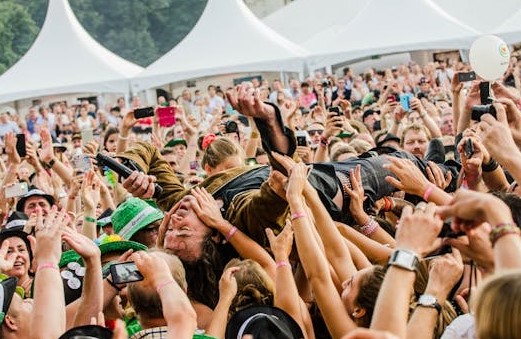
Music has always been a profound expression of identity, history, and community. Around the globe, cultural music festivals serve as vibrant platforms where traditions, storytelling, and heritage come alive through sound. Unlike commercialized music events that prioritize entertainment alone, these festivals prioritize authenticity, preserving regional music, folk instruments, and performance practices passed down through generations. By bringing together local musicians, artisans, and audiences, cultural music festivals offer immersive experiences that connect participants to history, spirituality, and shared human expression, while also supporting cultural preservation and tourism economies.
The Significance of Cultural Music Festivals
Cultural music festivals are more than celebrations—they are living archives of musical heritage. Across continents, these events safeguard and promote traditional music that might otherwise be at risk of fading in the face of globalization. By presenting folk, classical, and indigenous forms, festivals maintain intergenerational transmission of musical skills and knowledge.
In Europe, events like the Festival Interceltique de Lorient celebrate Celtic music and dance, showcasing fiddlers, bagpipers, and dancers from Ireland, Scotland, and Brittany. In South America, the Inti Raymi Music Festival revives Andean rituals and ancient ceremonial songs during the solstice. In Asia, the Sur Jahan World Music Festival highlights regional classical forms and folk traditions, bringing local and international performers together.
These festivals provide a multisensory experience, where music intersects with costume, dance, storytelling, and communal rituals. Audiences are not passive observers; they often participate in dances, singing, and workshops, creating a dynamic dialogue between performers and attendees. This interactivity reinforces cultural continuity and fosters deeper appreciation for artistic expression.
Moreover, cultural music festivals contribute significantly to local economies. Tourism, accommodation, food services, and handicraft markets benefit from the influx of visitors, while local artists gain exposure and recognition. Many festivals also invest in educational programs, offering workshops and masterclasses to nurture the next generation of performers.
Elements That Define Authentic Music Festivals
Several key components distinguish authentic cultural music festivals from generic music gatherings. These elements revolve around curation, education, and community engagement.
Preserving Heritage Through Experience
Curation is central to the festival experience. Organizers often collaborate with ethnomusicologists, local elders, and cultural institutions to select performers who embody the traditions being celebrated. This ensures that performances maintain authenticity while providing educational context to audiences.
Workshops, lecture-demonstrations, and panel discussions allow attendees to explore musical theory, instrument construction, and historical context. For instance, a workshop on Balinese gamelan might include demonstrations of tuning, ensemble coordination, and traditional repertoire. Such experiences deepen understanding and create meaningful engagement beyond passive listening.
Integration of traditional arts and crafts complements musical performances. Costume-making, instrument crafting, and dance rehearsals immerse visitors in a holistic cultural landscape. Local food and culinary traditions often accompany the festival, creating a vibrant environment that engages all senses.
Community involvement is another defining feature. Residents often participate as hosts, performers, or volunteers, reinforcing social cohesion and pride in regional heritage. Young musicians may perform alongside seasoned masters, promoting mentorship and continuity. This collaborative framework strengthens the festival’s sustainability and relevance.
Venues are typically chosen for their historical, cultural, or natural significance, enhancing the immersive experience. Open-air stages, temple courtyards, village squares, and heritage sites provide context that enhances appreciation of the music. Strategic site selection also encourages exploration of local landscapes and architecture.
Innovations Shaping Modern Cultural Music Festivals
While rooted in tradition, many festivals are embracing innovative approaches to reach broader audiences and enhance participation. Hybrid formats combine live performances with digital streaming, allowing global audiences to experience unique music traditions remotely. Interactive apps, virtual reality, and digital archives extend educational opportunities beyond the physical event.
Another emerging idea is cross-cultural collaboration. Festivals increasingly invite artists from diverse backgrounds to reinterpret traditional forms, creating fusion performances that respect heritage while encouraging creative evolution. Such collaborations attract younger audiences while preserving the core identity of the music.
Sustainability initiatives are becoming standard. Organizers implement waste reduction, renewable energy use, and eco-friendly infrastructure to minimize environmental impact. Programs may also emphasize ethical tourism practices, encouraging visitors to support local artisans and respect cultural norms.
A forward-looking concept gaining attention is the “Cultural Music Residency Festival.” In this model, artists and attendees stay on-site for extended periods, participating in immersive workshops, collaborative compositions, and community outreach programs. This structure allows for deeper engagement, creation of original works, and meaningful exchange between participants and local communities. Residencies also foster long-term connections that can extend cultural exchange well beyond the festival itself.
Educational and Societal Impact
Cultural music festivals play a vital role in education and social cohesion. They provide opportunities for schools, universities, and community groups to engage with heritage arts. Students can learn instrument techniques, rhythmic patterns, and cultural history directly from practitioners, bridging academic learning with real-world experience.
These festivals also support social inclusion. Many events actively feature minority and marginalized communities, providing platforms for voices that might otherwise be overlooked. By celebrating diversity, festivals reinforce cultural appreciation, empathy, and global understanding.
Participating in cultural music festivals can also promote personal growth. Attendees gain exposure to new perspectives, artistic forms, and collaborative practices. Shared experiences foster cross-cultural dialogue, enhance creativity, and cultivate a lifelong appreciation for cultural heritage.
Music festivals that prioritize authenticity and cultural preservation offer transformative experiences for both audiences and performers. By highlighting regional traditions, fostering education, and engaging communities, cultural music festivals create meaningful connections that transcend borders and generations. As innovations such as hybrid formats, cross-cultural collaborations, and immersive residencies continue to evolve, these festivals remain dynamic platforms where heritage, creativity, and human connection converge—inviting all participants to celebrate the enduring power of music as a vessel of culture and identity.
