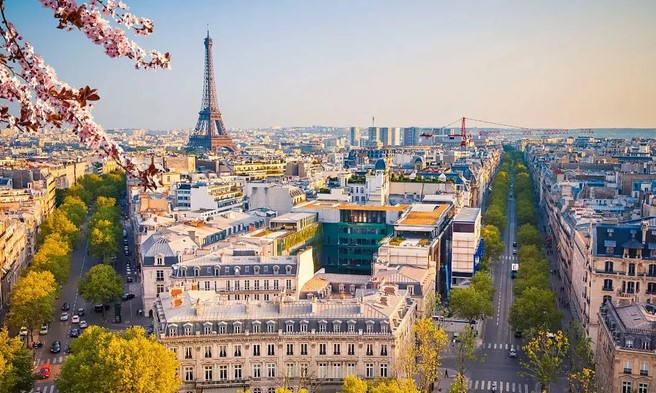
Picture this: You stand in the middle of Times Square or directly outside London’s Piccadilly Circus, enveloped in a sea of blaring horns, flashing neon screens, and aggressive tour buses.
After three days of dodging crowds, frantically chasing tourist traps, and logging 25,000 steps on hard asphalt, you realize your expensive urban vacation feels remarkably like working an unpaid double shift.
According to global travel analytics, over 70% of urban tourists suffer from acute “Metropolitan Burnout” halfway through their trips because they confuse city travel with endless bucket-list checklists.
Over my past decade crisscrossing global capitals—from the subterranean alleys of Istanbul to the historic quarters of Tokyo—I have watched millions of travelers burn out. They visit iconic cities but never actually feel the soul of the place.
The secret to mastering urban travel isn’t trying to conquer the metropolis; it is learning how to carve out intentional city cultural escapes. It is about discovering quiet pocket parks, historic theater districts, micro-neighborhoods, and community heritage sites hidden right behind the skyscraper glass.
Here is my field-tested operational guide to planning, navigating, and executing deep cultural urban retreats across the world’s greatest cities.
The Architecture of Urban Micro-Climates: How Cities Hide Culture
To master urban exploration without draining your battery, you have to stop treating a city as one uniform monolith. Every metropolis operates like a high-density mother-board with distinct processing hubs.
Urban planners organize cities around historical layers. The modern business district (commercial noise) usually wraps around an older historical nucleus (cultural heart), surrounded by residential micro-neighborhoods where authentic local traditions thrive.
[Commercial Skyscraper Core] → High Noise / Low Retention
[Historic Heritage Layer]    → High Density / Cultural Depth
[Residential Micro-Enclave]  → Low Stress / Authentic Local Living
Think of executing city cultural escapes like stepping inside a soundproof recording studio:
-
The Control Room (The Main Tourist Strip): Loud, chaotic, and necessary for basic orientation, but overwhelming if you spend all your time there.
-
The Live Room (The Cultural Enclave): Where real music happens—artisan workshops, historic libraries, traditional tea houses, and neighborhood performance spaces tucked away from primary traffic lanes.
Blueprinting Your Escape: Comparing City Exploration Modes
Not all urban travel strategies produce equal cultural value. Choosing the wrong tactical format leaves you tired and disconnected.
| Exploration Mode | Daily Energy Drain | Cultural Depth Score | Best For | Typical Pitfalls |
| Landmark Hopping | Extreme | Low (Surface level) | First-time visitors | Endless queues; shallow photo opportunities. |
| District Deep-Dive | Moderate | High (Contextual) | Intermediate travelers | Requires advance map reading and research. |
| Artisan & Heritage Circuit | Low | Very High (Immersive) | Culture Seekers | Higher entry booking costs for private venues. |
| Audio-Guided Self Walk | Low to Moderate | High (Personal pace) | Solo Travelers | Weather-dependent; requires mobile data connection. |
The “3-Block Radius” Rule
My personal rule of thumb for any metropolis: Walk three blocks off any major tourist thoroughfare.
If you are standing on a chaotic boulevard, turning two corners into a residential side street almost instantly reveals local coffee roasters, independent print shops, neighborhood shrines, and centuries-old architecture untouched by commercial franchises.
4 World-Class Metropolises for Deep Cultural Escapes
Having personally spent months navigating global urban corridors, four cities stand out as premier playgrounds for curated, low-stress cultural immersion.
1. Kyoto (Japan) — Beyond the Main Shrines
-
The Cultural Escape: Skip the overcrowded main gates of Fushimi Inari at noon. Head instead toward the Higashiyama preserved historical district at 7:00 AM, or explore the quiet zen gardens of Daitoku-ji.
-
The Insight: Kyoto’s true magic lies in its Machiya (traditional wooden townhouses). Staying in or visiting restored Machiya gives you a front-row seat to traditional craftsmanship and interior courtyard gardens (Tsuboniwa) designed specifically as urban sanctuaries.
2. London (United Kingdom) — The Pocket Museum Haven
-
The Cultural Escape: Trade the sprawling, packed corridors of the British Museum for small, specialized house museums like Sir John Soane’s Museum or the Wallace Collection.
-
The Insight: Small-scale historic home museums preserve personal collections in their original architectural settings. You can admire Old Masters and antiquities without fighting thousands of tourists for elbow room.
3. Mexico City (Mexico) — The Neighborhood Rhythm
-
The Cultural Escape: Retreat from the intense traffic of the Zócalo into the tree-lined streets of Coyoacán or San Ángel.
-
The Insight: CDMX is a collection of former independent villages swallowed by urban growth. Visiting weekend art markets in San Ángel feels like stepping into a tranquil colonial town, complete with cobblestone plazas and artisan workshops.
4. Vienna (Austria) — The Coffeehouse Sanctuary Protocol
-
The Cultural Escape: Embracing the UNESCO-listed Viennese Coffeehouse Culture (Kaffeehauskultur).
-
The Insight: In Vienna, ordering a single Melange grants you unhurried permission to sit for hours in marble-tabled grand cafes like Cafe Central or Cafe Sperl. It’s an institution explicitly designed for slow reading, writing, and urban contemplation.
Pro Advice: Technical Tips for Seamless City Escapes
-
Master Off-Peak Museum Hours: Book timed-entry tickets for late-night openings (many major European and Asian institutions stay open until 9:00 PM on Thursdays or Fridays). Night visits feature soft ambient lighting, zero school groups, and a fraction of daytime crowds.
-
Use Transit Passes for Scenic Routes: Avoid underground subways when moving between cultural districts. Public surface trams (like Vienna’s Ringstrasse Tram or Lisbon’s Tram 28) double as affordable, high-view sightseeing routes for the price of a transit fare.
-
Geofence Your Daily Itinerary: Limit your daily cultural activities to a single geographic cluster (e.g., Paris’s Marais district or New York’s Greenwich Village). Crossing a large city multiple times a day burns valuable hours in transit gridlock.
Hidden Hazards: What Every Urban Traveler Must Avoid
Warning: Beware of the “Hop-On, Hop-Off” Sightseeing TrapOpen-top double-decker tourist buses often promise easy navigation, but they frequently get trapped in downtown gridlock traffic for hours. You pay a high ticket price to sit in diesel exhaust fumes while catching superficial glances of buildings. Opt for walking itineraries paired with local rapid transit systems instead.
Also, watch out for Monday closures. Globally, a vast majority of public art galleries, municipal museums, and historical archives remain closed on Mondays for maintenance. Always cross-check operating calendars before designing your weekly itinerary.
Final Thoughts & Urban Explorer Discussion
Metropolitan travel does not have to be a noisy, exhausting endurance test. When you step off the beaten tourist path, leverage local neighborhood rhythms, and seek out targeted city cultural escapes, world-class capitals reveal their quiet stories, artistic soul, and timeless charm.
How about you? What is your favorite hidden pocket or quiet cultural haven in a major city you’ve visited? Or which historic metropolis are you eager to explore next?
Share your personal travel tips, questions, and favorite spots in the comments below!
