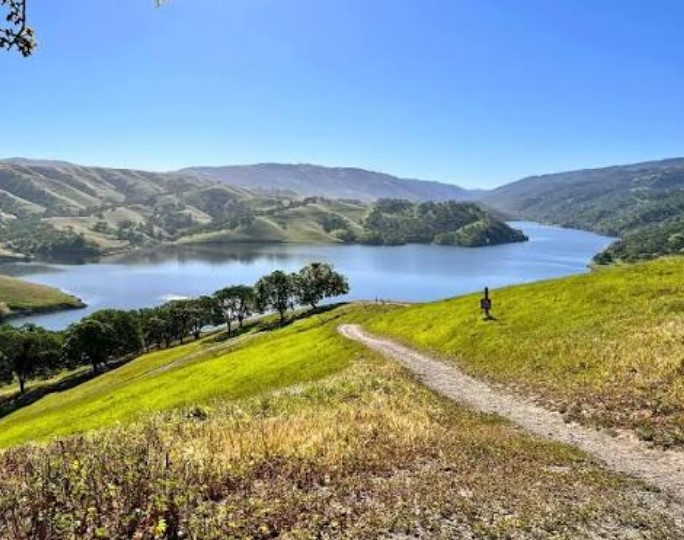
The physical relief of dropping a 15-pound pack after ascending 3,000 feet is quickly overshadowed by the sheer visual shock of a pristine, mirror-like alpine basin. I still remember my first high-altitude ascent in the Canadian Rockies—my lungs were burning, my quads were trembling, and I was questioning every life choice that led me up those final steep switchbacks. But the moment I crested the tree line and locked eyes with the glacial blue waters of Lake O’Hara, the exhaustion instantly evaporated.
Standard forest trails offer quiet isolation, but mountain lake trekking provides the ultimate payoff: a dramatic, concentrated oasis where raw geological power meets perfect, fluid stillness. After ten years of logging thousands of miles across global alpine networks, I have found that navigating these high-elevation shores requires a fundamentally different approach than standard woodland hiking.
Plaintext
                    THE TREKKING REWARD SPECTRUM

   Standard Forest Trails                  Mountain Lake Trekking
┌──────────────────────────┐            ┌─────────────────────────┐
│ • Consistent terrain     │            │ • Dramatic elevation gain│
│ • Enclosed canopy views  │   ──────►  │ • Dynamic micro-climates │
│ • Predictable weather    │            │ • High-altitude exposure │
│ • Gradual pacing         │            │ • Pristine glacial basins│
└──────────────────────────┘            └─────────────────────────┘
Why Mountain Lake Trekking Transforms the Hiking Experience
Think of an alpine lake like a giant thermal battery sitting in the middle of a frozen stone room. During the day, the deep water absorbs intense solar radiation, and as the sun sets, it releases that energy rapidly. This interaction creates volatile, unpredictable micro-climates along the shoreline. It is exactly why you can be sweating through your base layer at 2:00 PM, only to be shivering in a sudden, freezing fog bank by 4:00 PM.
When you commit to mountain lake trekking, you are entering an entirely unique ecological zone. These glacial depressions, known geologically as cirques, trap water from melting snowpack and foster fragile ecosystems that exist nowhere else on the mountain.
Here is why pushing for the shoreline changes the way you experience the outdoors:
-
Hyper-Concentrated Biodiversity: Because fresh water is scarce at extreme altitudes, mountain goats, marmots, and alpine birds congregate heavily around these isolated basins.
-
Acoustic Isolation: The natural amphitheater shape of a granite cirque blocks out lowland noise pollution, replacing it with the sound of cracking ice and wind shearing across the water.
-
The Psychological Reset: The sheer scale of towering peaks reflecting perfectly off a glassy surface forces a sense of grounding and mental clarity that standard forested trails rarely achieve.
Iconic Destinations for Your Next Mountain Lake Trekking Adventure
Over the past decade, I’ve tracked the world’s most rewarding alpine shorelines. Whether you want an accessible day hike or a multi-day backcountry expedition, these regions offer the gold standard in high-altitude lake trails.
1. The Dolomite Alps (Italy) – Lago di Sorapis
The Italian Dolomites are globally famous for their jagged, pale limestone peaks, but their hidden glacial lakes are the true prize for hikers. Lago di Sorapis is legendary for its surreal, milky-turquoise hue, a color caused by suspended limestone dust—known as glacial flour—reflecting the sunlight.
-
Best For: Intermediate hikers comfortable with narrow ledges and dramatic drop-offs.
-
Key Highlight: Navigating via metal cables on exposed cliff sections before dropping into the secluded, vividly colored basin.
2. Banff National Park (Canada) – Lake Agnes & The Tea House
For beginners looking to experience world-class mountain lake trekking without needing a satellite phone or advanced wilderness skills, the Canadian Rockies deliver unmatched accessibility.
The trail to Lake Agnes begins at the iconic shoreline of Lake Louise. You wind up aggressively through dense spruce forests and alpine switchbacks until you reach a historic, off-grid wooden tea house perched directly on the edge of the alpine lake, serving hot mountain tea.
3. Cordillera Blanca (Peru) – Laguna 69
Nestled deep in the Peruvian Andes at an extreme elevation of 4,600 meters (15,000+ feet), Laguna 69 is an absolute test of cardiovascular endurance and altitude acclimatization.
-
Best For: Advanced trekkers seeking serious high-altitude conditioning.
-
Key Highlight: Staring directly up at the hanging glaciers of Mount Chacraraju, which constantly feed ice-cold, thundering waterfalls into the brilliant blue lake below.
| Destination & Country | Elevation Gain | Technical Difficulty | Standout Feature |
| Lago di Sorapis (Italy) | 400 m | Intermediate | Milky-blue glacial flour & limestone peaks |
| Lake Agnes (Canada) | 435 m | Beginner | Historic alpine tea house & maintained trails |
| Laguna 69 (Peru) | 800 m | Advanced | Extreme altitude & towering hanging glaciers |
| Crater Lake (USA) | 300 m (down/up) | Beginner–Intermediate | Volcanic caldera & unmatched water clarity |
Technical Gear and Physiological Preparation
Reaching these pristine shorelines demands more than just enthusiasm; it requires a dialed-in gear system and a deep respect for alpine physics. High-altitude environments are unforgiving to the unprepared.
The Dynamic Layering System
Because alpine lakes create their own unpredictable weather pockets, your clothing must adapt instantly. Ditch the heavy, singular winter coat and rely on the three-part technical system:
-
Base Layer (Moisture Management): Wear a lightweight merino wool long-sleeve to pull sweat away from your skin. Avoid cotton at all costs; if it gets wet, it stays wet, leading to rapid heat loss.
-
Mid-Layer (Insulation): Pack a highly compressible synthetic down jacket. Unlike natural down, synthetic fibers retain their insulating heat even when exposed to heavy mist or sudden shoreline rain.
-
Outer Shell (Weather Protection): A breathable, seam-sealed Gore-Tex jacket is mandatory to block the fierce wind sheer that rips across open alpine basins.
Hydration and Water Filtration Logistics
It is incredibly tempting to dip your bottle and drink directly from a crystal-clear mountain lake, but even the most pristine-looking water can harbor Giardia or agricultural runoff from grazing wildlife.
Always carry a lightweight hollow-membrane water filter (like a Sawyer Squeeze) or chemical purification tablets. When filtering, pull your water from flowing inlet streams rather than the stagnant shoreline of the lake itself to avoid heavy silt build-up in your filtration system.
Pro Tips & Hidden Warnings from the Trail
After burning through dozens of pairs of boots and making every rookie mistake possible, I’ve collected critical field intelligence that goes beyond standard topographical trail maps.
Pro Tip: Time your arrival at the lake for the “Golden Window”—typically between 8:00 AM and 10:00 AM. During these morning hours, the daytime thermal winds haven’t picked up yet, guaranteeing you that perfect, mirror-like reflection of the surrounding peaks on the water’s surface for your photography.
Hidden Pitfalls to Avoid:
-
The “False Summit” Heartbreak: Mountain lake trails often feature massive glacial moraines—huge piles of loose rock pushed up by ancient ice. You will repeatedly think you’ve reached the top, only to crest a ridge and see another hour of steep climbing. Pace your mental and physical energy accordingly.
-
The Mosquito Basin Trap: Alpine lakes in early summer are notorious breeding grounds for aggressive high-altitude mosquitoes. Pack a strong Picaridin-based repellent and treat your outer clothing layers with Permethrin before you leave home.
-
Ignoring the Afternoon Alpenglow Drop: The temperature plummets the second the sun dips behind the surrounding peaks, not when it sets on the horizon. Put your insulating layers on before you stop sweating to trap your body’s active heat.
The journey to a high-altitude shoreline is a deliberate exchange of physical effort for unparalleled natural beauty. Mountain lake trekking strips away the noise and rush of modern life, replacing it with the rhythmic crunch of boots on gravel and the piercing blue clarity of undisturbed glacial water.
By respecting the volatile alpine weather, dialing in your technical layering system, and pushing through those final grueling switchbacks, you unlock some of the most breathtaking, hard-earned sanctuaries our planet has to offer.
Which mountain lake trail is currently sitting at the top of your bucket list, or what has been your most challenging alpine trek so far? Drop your stories and route-planning questions in the comments below, and let’s get you geared up for your next adventure!
