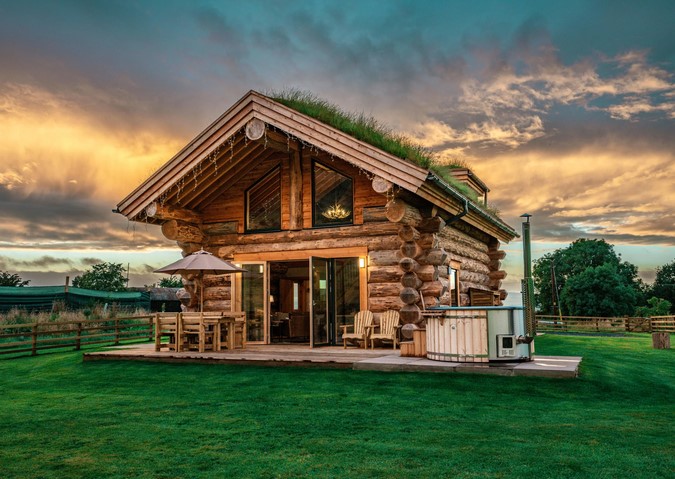
Imagine walking into a stunning luxury resort nestled in a lush tropical jungle, dropping your bags, and realizing that every single kilowatt of electricity powering your air conditioner was generated by solar panels installed on local village roofs—and that your room rate directly funds a marine conservation unit down the road.
Now contrast that with the all-too-common reality: a hotel that proudly asks you to reuse your towel to “save the planet,” while simultaneously running single-use plastic water bottles in every room and dumping untreated greywater into the neighboring bay.
Over my decade on the road, testing properties from remote off-grid retreats to urban boutique stays, I have learned that truly eco-conscious holiday stays are much more than clever marketing. They are operational ecosystems built on technical precision, social responsibility, and transparent sustainability.
Whether you are booking your very first sustainable trip or trying to separate legitimate green properties from clever corporate greenwashing, this deep-dive guide will help you make every travel dollar count.
1. The Greenwashing Trap: How to Spot Genuine Eco-Conscious Stays
The tourism industry generates roughly 8% of global greenhouse gas emissions, and travelers are increasingly demanding cleaner, more responsible choices. However, as demand has soared, so has greenwashing—the practice of making misleading claims about the environmental benefits of a hospitality service.
+------------------------+-------------------------------------------------------+-------------------------------------------------------+
| Feature                | Surface-Level "Greenwashing" Property                 | Genuine Eco-Conscious Holiday Stay                    |
+------------------------+-------------------------------------------------------+-------------------------------------------------------+
| Water Conservation     | Signs asking guests to reuse towels                   | On-site rainwater harvesting & greywater filtration   |
| Energy Management      | Keycard-activated lights in guest rooms               | Solar arrays, passive thermal design, micro-grids     |
| Community Impact       | Sourcing seasonal fruit from local markets            | Fair-wage employment, local supply chain integration  |
| Waste Strategy         | Standard recycling bins in the lobby                  | Zero-waste composting, strict ban on single-use plastics |
+------------------------+-------------------------------------------------------+-------------------------------------------------------+
Thinking of an eco-friendly stay like an iceberg makes it easier to understand. The visible surface consists of small guest touches—like bamboo toothbrushes or linen reusable bags. But the critical mass sits unseen beneath the surface: graywater treatment systems, closed-loop waste management, and renewable energy storage.
2. Structural Standards and Certifications That Actually Matter
When researching eco-conscious holiday stays, relying solely on hotel website bios can lead to disappointment. Looking for verified third-party certifications provides concrete proof of a property’s commitment.
Recognized Global Sustainability Certifications
-
GSTC (Global Sustainable Tourism Council): The global benchmark for sustainable travel and tourism criteria. Any certification body accredited by the GSTC adheres to strict, audited metrics.
-
EarthCheck: Highly respected in the hospitality industry, EarthCheck uses quantitative science-based metrics to measure energy consumption, water usage, and community commitment.
-
Green Key: A widely recognized eco-label awarded to accommodations that fulfill strict environmental operational standards across waste, energy, and chemical usage.
-
LEED Certification (Leadership in Energy and Environmental Design): Focused on the building’s physical architecture, evaluating sustainable site design, water efficiency, and indoor environmental quality.
Key Architectural & Operational Features
When evaluating properties, look beyond the eco-badge and check their operational infrastructure:
-
Passive Architecture: Buildings designed to optimize natural ventilation, daylighting, and thermal mass reduce the need for energy-intensive HVAC systems.
-
Closed-Loop Waste Systems: True green stays divert organic waste away from landfills by running on-site composting programs that feed local gardens or agricultural projects.
-
Biodegradable Cleaning Products: Properties committed to local ecosystems use non-toxic, chemical-free cleaning products that will not harm soil or marine micro-fauna upon discharge.
3. The Technical Side: Off-Grid Power, Water Systems, and Circular Economies
Understanding the basic technical systems powering genuine eco-resorts allows you to ask the right questions before placing a booking deposit.
Renewable Energy and Micro-Grids
Modern off-grid resorts operate integrated micro-grids combining photovoltaic (solar) arrays, battery energy storage systems (BESS), and sometimes micro-hydro turbines.
-
Solar Photovoltaics & Storage: High-efficiency solar arrays store excess energy in lithium iron phosphate (LFP) battery banks, providing stable, 24-hour electricity without relying on noisy, polluting diesel generators.
-
Smart Load Management: Advanced energy systems prioritize critical infrastructure (like refrigeration and water pumps) while automatically throttling non-essential amenities during peak demand times.
Advanced Water Reclamation and Treatment
Water is one of the most precious resources in fragile ecosystems like island chains and arid wildernesses.
-
Greywater Recycling: Wastewater from sinks, showers, and laundry is diverted through multi-stage bio-filters (often utilizing reeds and sand beds) to be safely reused for garden irrigation and flushing toilets.
-
Blackwater Treatment: Advanced anaerobic digesters break down sewage into clean effluent and nutrient-rich organic fertilizer without releasing harmful pathogens into groundwater tables.
4. How to Plan and Execute an Eco-Conscious Getaway
Choosing the right accommodation is the foundation, but your overall travel footprint depends on how you plan and interact with your host destination.
The Low-Impact Trip Checklist
-
Choose Carbon-Efficient Transport: Whenever possible, choose train travel or ground transit over short-haul domestic flights. If flying is unavoidable, choose direct routes and newer aircraft fleets.
-
Prioritize Farm-to-Table Dining: Support stays that run on-site organic gardens or source food strictly within a 50-mile radius. This drastically cuts down “food miles” and supports local farmers.
-
Pack Light & Non-Toxic: Bringing lightweight luggage reduces transport energy, while packing mineral-based (reef-safe) sunscreen and natural toiletries prevents toxic runoff from entering local watersheds.
Maximizing Your Positive Local Impact
-
Participate in Local Ecosystem Conservation: Seek out stays that offer hands-on, educational activities—such as native tree planting, wildlife monitoring, or beach cleanups led by local naturalists.
-
Respect Local Culture & Heritage: Truly eco-conscious travel respects human environments as much as natural ones. Ensure your stay respects indigenous land rights and pays fair, living wages to local staff.
5. Pro Tips and Hidden Pitfalls
Navigating sustainable travel requires an insider’s eye. Here are crucial tips collected over ten years on the road.
Pro Tip: Use Direct Inquiries to Test Environmental AuthenticityBefore booking, send a quick email to the property asking two specific questions: “Where does your electricity come from?” and “How is your wastewater managed on-site?” A genuinely sustainable property will eagerly provide detailed, transparent answers. Vague, generic responses like “we care about nature” are a immediate red flag.
Hidden Warning: Watch Out for “Eco-Resorts” Built in Fragile EcosystemsBe cautious of newly constructed luxury eco-lodges located directly on pristine sand dunes, primary mangroves, or untouched coral reefs. Even if the lodge runs entirely on solar power, clearing sensitive natural habitats to build resort infrastructure destroys vital ecosystems. True eco-conscious stays prioritize minimal footprint construction or adaptive reuse of existing structures.
Make Your Next Stay Count
Booking eco-conscious holiday stays is one of the most direct ways to ensure your travel budget contributes to environmental preservation and community empowerment. By looking beyond basic greenwashing, verifying third-party credentials, and asking the right technical questions, you can enjoy rich, immersive holiday experiences while keeping fragile destinations pristine for generations to come.
What is the most inspiring eco-friendly stay you have experienced so far? Or do you have questions about verifying a property’s green claims for your next trip? Leave a comment below, share your travel experiences, and let’s keep the conversation going!
